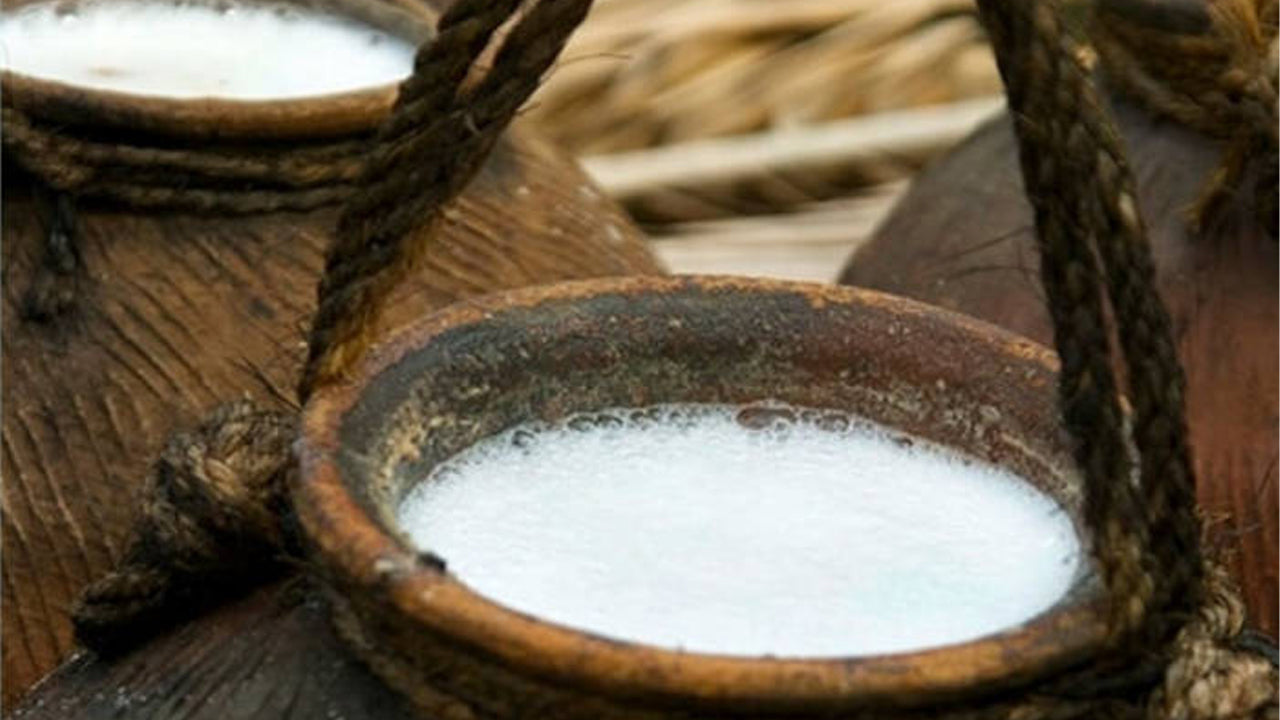
Few drinks are as deeply tied to a landscape and a people as Palmyrah toddy. Tapped from the flower buds of the Borassus flabellifer — the tall, fan-leaved palm that punctuates the dry-zone skyline of northern and eastern Sri Lanka — this naturally fermented sap has been a staple of Tamil communities in Jaffna, Mannar, and Batticaloa for centuries. Locally called Thal Ra, it is at once a daily refreshment, a ceremonial drink, and a livelihood for an entire craft class of skilled tree-climbers.
What is Palmyrah toddy and how does it differ from coconut toddy?
Toddy tapped from the coconut palm is the version most visitors encounter in Sri Lanka's coastal south and west. Palmyrah toddy is a distinctly northern product — earthier, slightly more tannic, and with a character shaped by the arid soil and climate of the Vanni and the Jaffna Peninsula. The Palmyrah palm yields sap only from its immature flower stalks, making the harvest both seasonal and labour-intensive in a way that coconut tapping is not.
How is Palmyrah toddy made?
The process is centuries old and has changed very little. Skilled tappers — known in Tamil as raavuthars — climb the Palmyrah's rough trunk bare-handed or with a simple rope harness, often ascending trees that stand well over ten metres. At the crown, they locate the young, tightly closed flower spathes and slice the tip of each stalk at a precise angle. Sap immediately begins to drip into a clay or plastic pot tied just below the cut.
The fresh sap, called padaneer, is clear and sweet — closer to a tender coconut drink than anything alcoholic. Left at ambient temperature, wild yeasts begin fermentation within a few hours. By midday the morning's harvest is already lightly sparkling; by late afternoon it has become the mildly alcoholic toddy sold in licensed taverns across the region.
- Alcohol content: typically 4–6%, rising with time
- Colour: cloudy white to pale yellow
- Taste: slightly sweet, tangy, and gently effervescent when freshly drawn
- Aroma: yeasty and earthy, with a faint fruity undertone
Because fermentation is continuous and uncontrolled, freshness matters. Toddy consumed within a few hours of tapping tastes very different from the sharper, more sour version that has sat through the afternoon heat.
What other products come from Palmyrah sap?
The sap is a remarkably versatile raw material. Depending on how it is processed, it yields a range of products that are staples in northern Sri Lankan kitchens:
| Product | How it is made | Common use |
|---|---|---|
| Padaneer (fresh sap) | Unfermented, collected at dawn | Drunk as a health tonic |
| Toddy (Thal Ra) | Naturally fermented for 4–8 hours | Alcoholic beverage |
| Jaggery (Thal Hakuru) | Sap boiled and solidified | Sweetener in desserts and cooking |
| Treacle | Sap reduced to a thick syrup | Poured over curd or hoppers |
| Vinegar | Prolonged fermentation followed by acetification | Pickling and cooking |
Palmyrah jaggery is particularly prized — darker and more complex in flavour than the cane jaggery found elsewhere on the island, and an important ingredient in traditional Tamil sweets prepared for festivals.
What is the cultural significance of Palmyrah toddy?
In rural communities across Jaffna, Mannar, and Batticaloa, toddy is far more than a beverage. Sharing a pot of freshly drawn toddy marks the end of a working day, seals agreements, and features in weddings and seasonal celebrations. The raavuthar caste built its identity around the Palmyrah — not only tapping sap but also weaving the leaves into baskets, mats, and roofing thatch, and processing the fruit pulp and seeds for food.
This connection between the Palmyrah tree and Tamil cultural identity in the north is reflected in everyday life and in craft traditions that continue today. Palmyrah leaf weaving, for instance, produces the distinctive geometric-patterned goods — trays, boxes, hats — that are among the most recognisable artisan products of the region. The knowledge of tapping and processing is passed down within families, making it a living example of intangible cultural heritage.
Similar traditions of toddy-tapping exist elsewhere on the island — the kitul tapping of the wet-zone forests follows broadly comparable methods, extracting sap from the kitul palm for treacle and jaggery — though the two trees, their environments, and the communities who tend them are quite distinct.
Where can you taste Palmyrah toddy in Sri Lanka?
Licensed toddy taverns operate in Jaffna, Mannar, and other northern districts under the regulation of Sri Lanka's Excise Department. These are unpretentious establishments — often a simple shed near a tapping grove — where toddy is served in clay cups or glasses shortly after the morning draw. Freshness is everything: the best toddy is consumed within two to four hours of tapping.
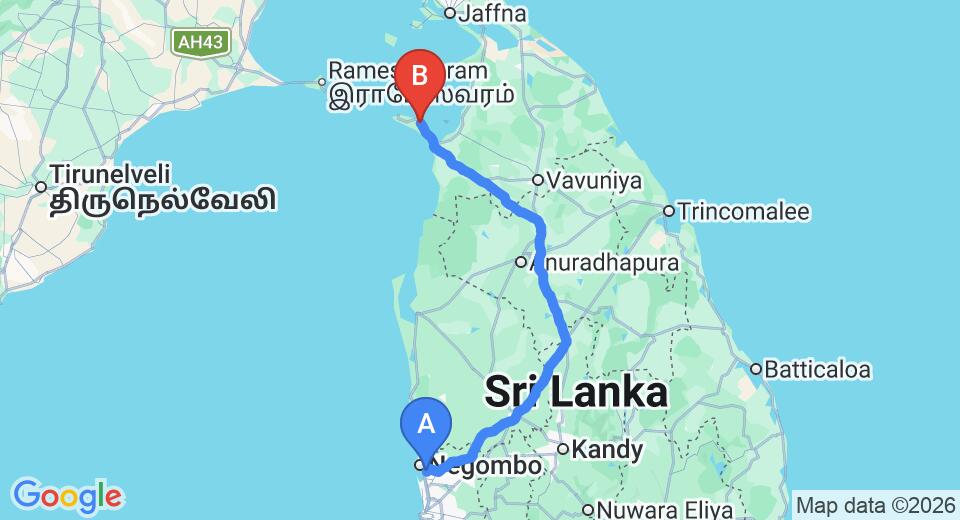
Visitors travelling to Mannar will find the toddy culture woven into daily life there in a way that feels quite different from the more tourist-oriented coconut toddy experiences on the west coast. The Palmyrah House in Mannar is a well-regarded base for exploring this part of the island and the traditions that surround the palm.
Organised toddy experiences are also available from Negombo, offering day-trip introductions to the tapping process and tasting for those who cannot travel to the north. These tours combine a cultural element with an understanding of how toddy fits into Sri Lanka's broader palm-sap economy.
Is Palmyrah toddy safe to drink?
Fresh toddy drawn from a reputable tavern or tapping operation is generally safe for healthy adults. The key variables are hygiene of the collection pots and how long the toddy has been sitting. Pots left in the sun ferment rapidly; older toddy becomes noticeably more sour and higher in alcohol and acidity. Travellers with sensitive stomachs are advised to start with a small amount and prioritise toddy served at a licensed establishment. The fresh, unfermented sap (padaneer) consumed at dawn is the most universally well-tolerated form.
What is the legal status of toddy in Sri Lanka?
Toddy production and sale are regulated under Sri Lanka's Excise Ordinance. Tappers must hold a licence, and retail sale is restricted to licensed taverns. There is growing commercial interest in bottling toddy and marketing palm sap products — including padaneer — in formats suited to export and the premium domestic hospitality market, though the majority of toddy is still consumed fresh and locally on the day it is drawn.
Related reading
2 pages on closely related subjects.