
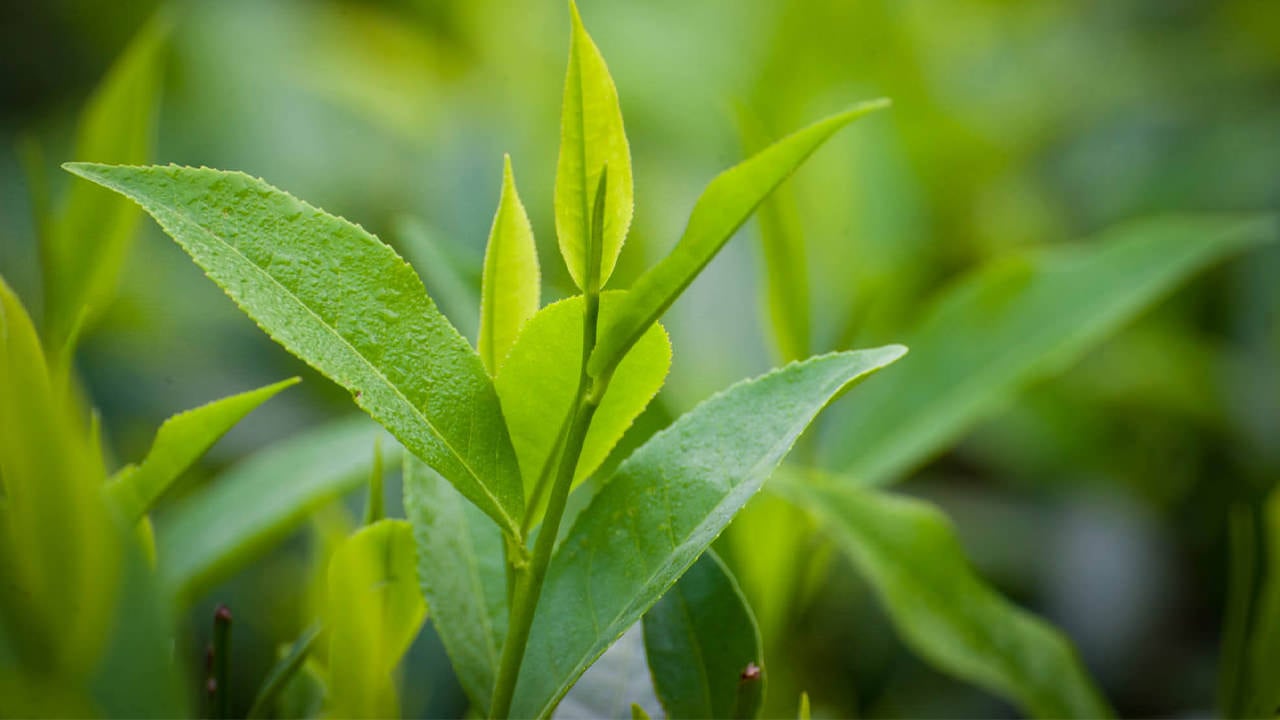


Nilagama Estate is the garden-mark name for Pelmadulla Estate, a low-grown plantation situated between the towns of Pelmadulla and Kahawatte in Sri Lanka's Ratnapura District. Set at elevations ranging from roughly 183 to 244 metres above sea level — with the tea factory itself at around 189 metres — this estate occupies terrain that is as geologically interesting as it is agriculturally productive. The surrounding Ratnapura region is one of the world's most celebrated gem-mining areas, renowned particularly for blue sapphires, and the ground beneath Nilagama is thought to hold considerable untapped deposits.
What is the history of Nilagama Estate?
The estate was established in 1905, initially planted with rubber as its primary commercial crop. Rubber remained central to operations for nearly two decades before Ceylon tea was introduced in 1924. This shift reflected broader trends across the Sabaragamuwa lowlands, where planters recognised that the warm, humid climate and well-drained slopes could produce a style of tea quite distinct from the high-grown teas of Nuwara Eliya or Dimbula.
Over a century later, Nilagama continues to operate as a working estate, combining both rubber and tea cultivation. The longevity of its operations speaks to consistent management and the naturally productive character of the low-country growing environment.
What kind of tea does Nilagama Estate produce?
Nilagama falls within Sri Lanka's low-grown tea category, which covers estates at elevations below 600 metres. Low-grown teas are known for their full body, deep colour, and bold, assertive flavour — characteristics that make them well suited to blending and to those who prefer a robust cup. The estate's teas are marketed under the Nilagama single-estate label by Dilmah, one of Sri Lanka's most recognised tea producers.
Single-estate teas from Nilagama differ from blended Ceylon teas in that every leaf in the packet comes from this one property. This means the cup reflects the specific microclimate, soil composition, and harvesting practices of a single plot of land — a concept sometimes called watte tea in Sri Lanka, where watte simply means garden or estate.
How does Nilagama's low-grown character affect the flavour?
At 183–244 metres, Nilagama sits well below the cool cloud zones of Sri Lanka's central highlands. The warmer temperatures and higher humidity at this altitude accelerate leaf growth and encourage the development of theaflavins and thearubigins — the compounds responsible for the bright coppery liquor and brisk, full-bodied taste typical of low-grown teas. Expect a cup that is bold and warming, with less of the delicate floral or grassy nuance associated with high-grown estates such as Bluefield Tea Gardens further up in the hills.
Milk teas and strong morning brews are natural applications for Nilagama leaf. The estate's output is typically graded and sold in forms ranging from whole-leaf grades to finer broken-leaf and dust grades for tea-bag production.
What makes the Ratnapura District significant for Nilagama Estate?
Ratnapura — whose name translates literally as "City of Gems" in Sinhala — has been a centre of gemstone mining for well over a millennium. The alluvial deposits that make the district world-famous for blue sapphires, cat's eyes, alexandrite, and other precious stones are a product of the same geological conditions that created the deep, mineral-rich soils supporting Nilagama's plantations. While commercial gem mining and tea cultivation occupy separate parts of the landscape, the underlying geology is shared.
The region also sits at the edge of Sri Lanka's wet zone, receiving reliable rainfall from both monsoons. This means the estate rarely faces severe dry spells, supporting consistent leaf production across the year.
Can visitors tour Nilagama Estate?
Plantation visits in the Ratnapura–Kahawatte corridor are less developed for tourism than those in Nuwara Eliya or Kandy, but the area rewards independent travellers who make the effort. The drive between Pelmadulla and Kahawatte passes through typical low-country estate scenery: rubber tree avenues, tea fields at varying stages of plucking, and the occasional colonial-era bungalow. Travellers with a deeper interest in Sri Lanka's plantation heritage and gem-mining culture will find the district genuinely compelling.
Nearby, the Sinharaja Forest Reserve — a UNESCO World Heritage Site and one of the island's last intact lowland rainforests — lies within reasonable driving distance, making it possible to combine a visit to estate country with one of Sri Lanka's premier nature experiences.
The Elephant Transit Home at Udawalawe is also accessible from this part of Sabaragamuwa, broadening the appeal of an itinerary centred on the Ratnapura District.
How do I get to the Pelmadulla and Kahawatte area from Colombo?
Pelmadulla is approximately 100 kilometres south-east of Colombo. The most practical route follows the Southern Expressway (E01) to Kurundugahahetekma and then continues via the A004 through Ratnapura and on towards Pelmadulla. Typical driving time from Colombo is around three hours, depending on conditions through Ratnapura town. Public bus services connect Colombo and Ratnapura regularly, with onward connections to Pelmadulla.
Kahawatte, which sits further east along the same road corridor, is a smaller town and less frequently served by express bus routes. Hiring a private vehicle or taxi from Ratnapura is the most flexible option for reaching the estate environs.
What other estates produce comparable low-grown Ceylon teas?
Sri Lanka has dozens of named low-grown estates, each producing teas with subtly different profiles depending on their precise location, cultivar mix, and factory method. Among those with established reputations for single-estate teas are properties in the Galle, Matara, Kalutara, and Kegalle districts. The Ratnapura District, however, occupies a particularly interesting position because its proximity to the wet-zone forests brings a slightly different humidity profile compared with coastal low-grown areas.
| Detail | Information |
|---|---|
| Garden mark | Nilagama (Pelmadulla Estate) |
| District | Ratnapura, Sabaragamuwa Province |
| Elevation | 183–244 m above sea level |
| Tea factory elevation | ~189 m |
| Year established | 1905 (rubber); tea introduced 1924 |
| Tea category | Low-grown Ceylon |
| Notable feature | Gem-rich surrounding terrain (blue sapphire deposits) |
Nearby places
8 places within about 25 km, nearest first.
- Alupola Ella2 km
- Galpoththawela wala Temple4 km
- Kirindi Ella6 km
- Pelmadulla City7 km
- Dethanagala mountain10 km
- Poronuwa Estate10 km
- Mapalana Ella12 km
- Maduwanwela Walawwa12 km


