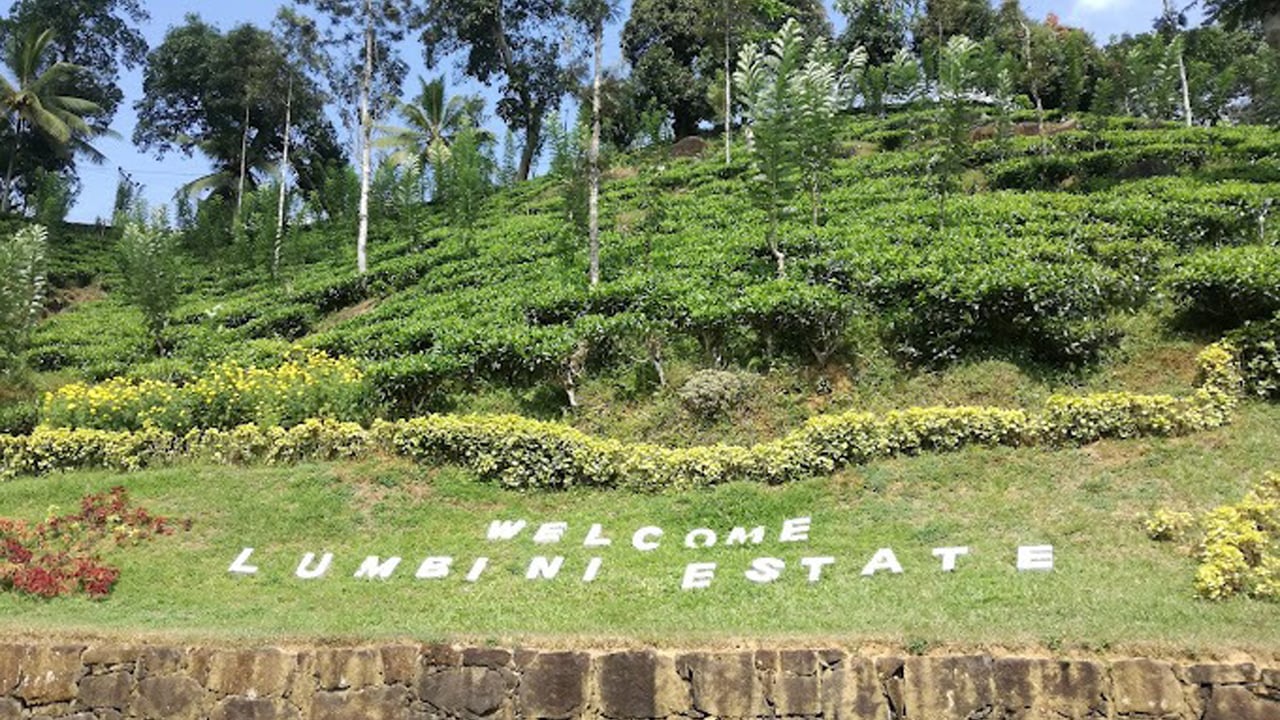
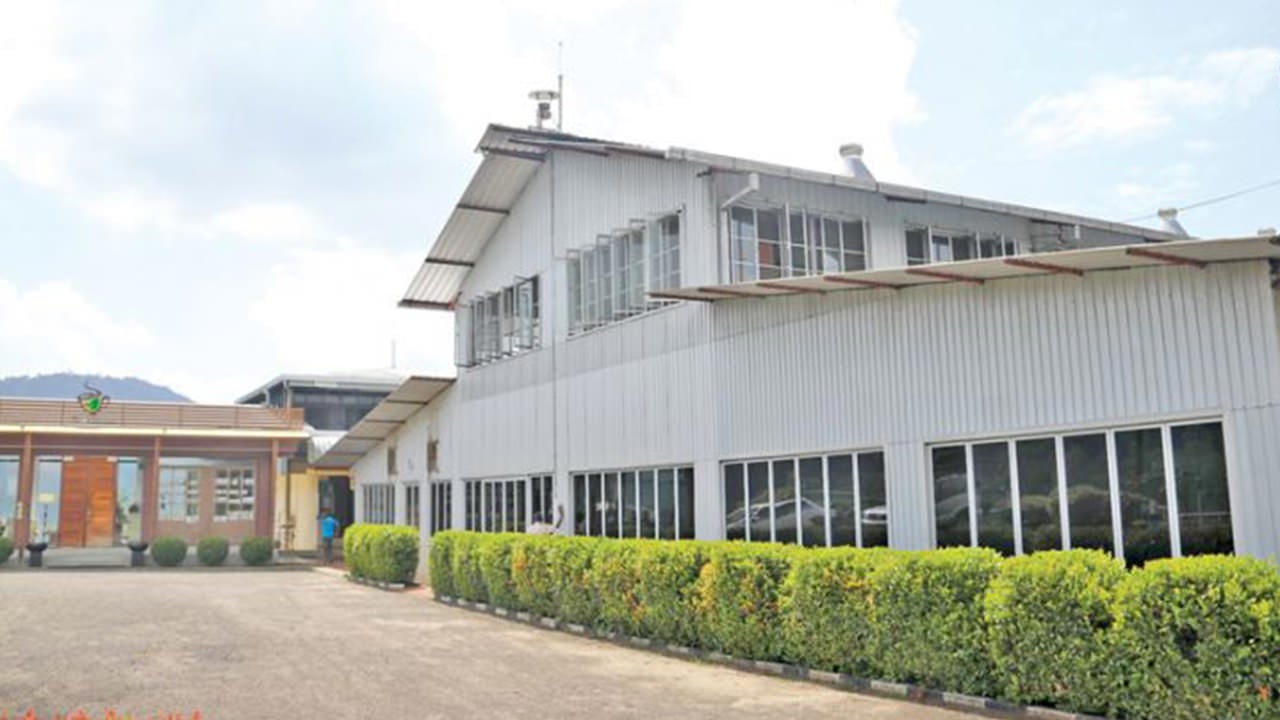
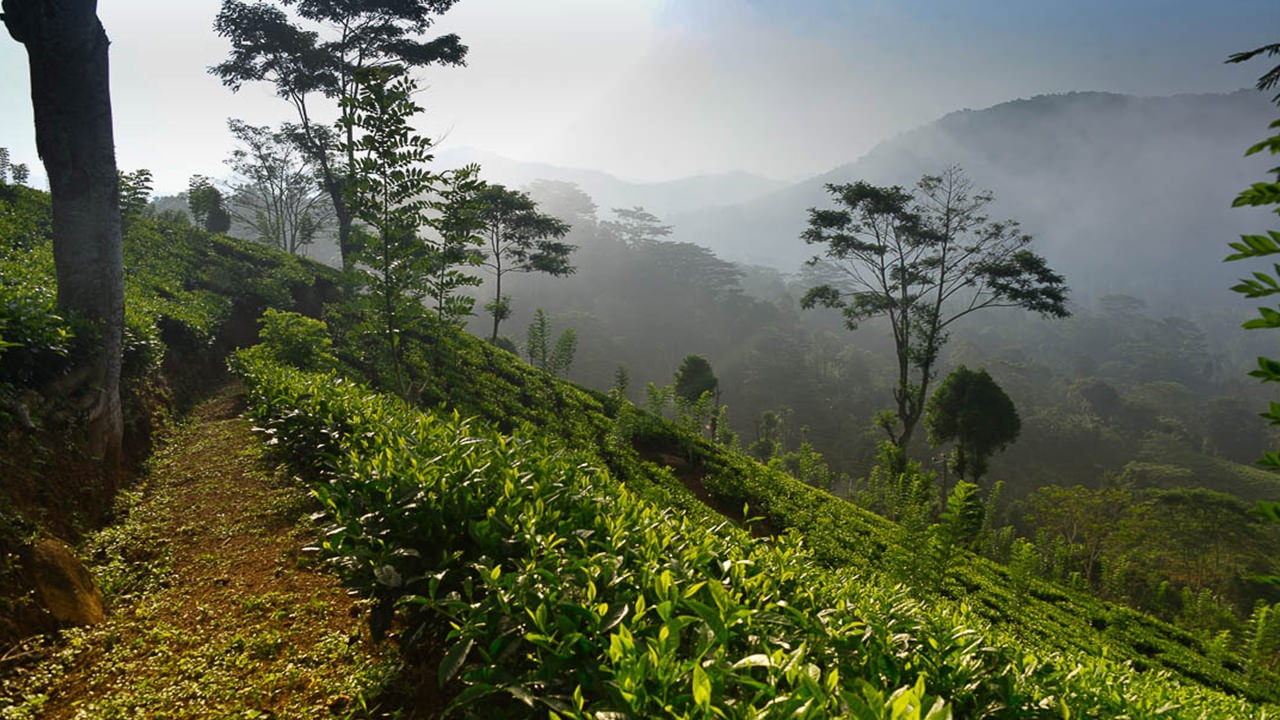
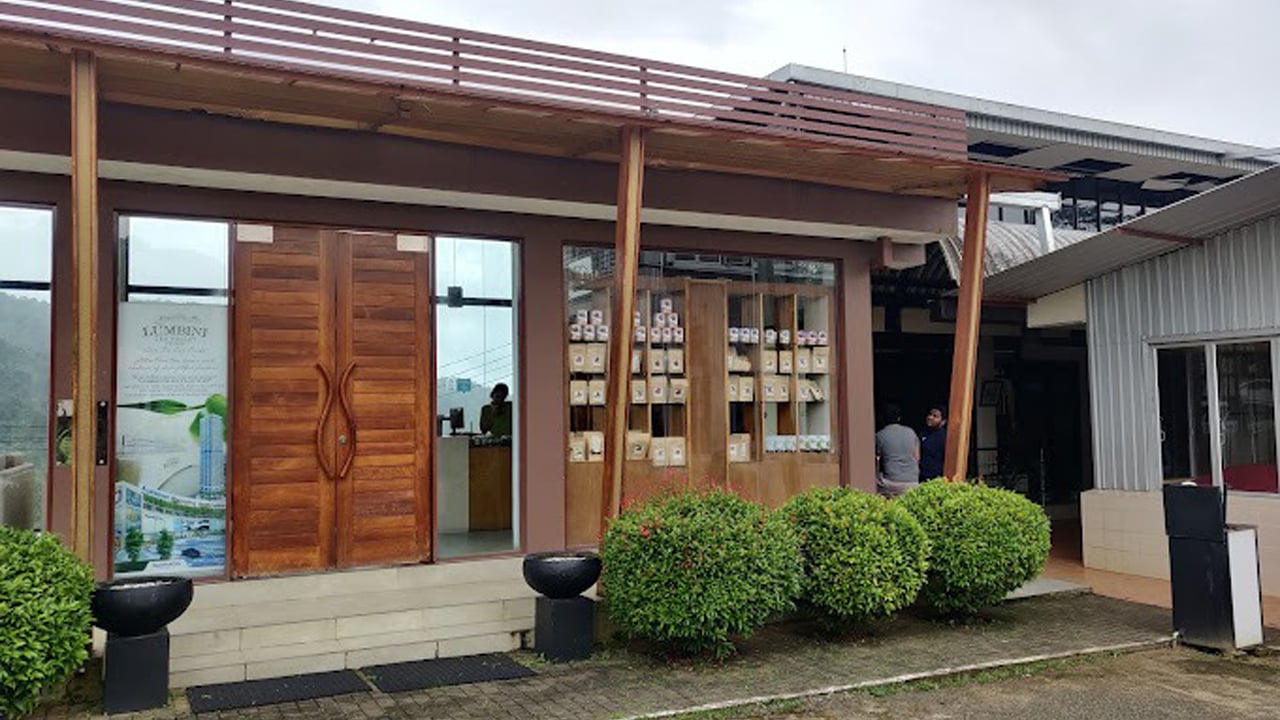
Nestled in the hills of Deniyaya in Sri Lanka's southern Ruhuna region, Lumbini Tea Estate sits just a short distance from the Sinharaja Forest Reserve, one of the island's last surviving lowland rainforests. That proximity is no coincidence — the estate draws on the same exceptional environment that makes Sinharaja a UNESCO World Heritage Site: dense canopy shade, high humidity, consistent rainfall, and soil enriched by centuries of forest leaf fall. The result is a cup of tea that tastes unmistakably of its place.
What makes Lumbini Tea Estate's teas different?
Lumbini operates at elevations of around 450 to 500 metres above sea level, which classifies it as a low-grown estate by Sri Lanka's tea industry standards. Low-grown teas are prized for their bold, full-bodied character and deep liquor — qualities that contrast with the more delicate, high-elevation teas from Nuwara Eliya or Dimbula. The estate was established in 1984 and has spent four decades refining its craft within this specific micro-climate.
The estate cultivates two principal cultivars: TRI 2026, used for its black tea lines, and TRI 2043, selected for white tea production. Annual output reaches approximately 600,000 kilograms, a volume achieved with the help of smallholder farmers who tend surrounding tea fields under a partnership arrangement — an approach that supports livelihoods across the local community while maintaining consistent leaf quality.
Teas bearing the Sinharaja brand are the estate's flagship, recognised for their wiry leaf appearance and rich, assertive liquor. Lumbini has earned multiple international awards for specialty grades including hand-spun teas and innovative leaf presentations, reflecting a commitment to craftsmanship that goes well beyond standard commodity production. Ceylon Tea as a category commands respect on global markets, and Lumbini's accolades place it among the estates that uphold that reputation.
What tea grades does Lumbini produce?
The estate produces a range of orthodox and specialty grades suited to different brewing preferences and markets.
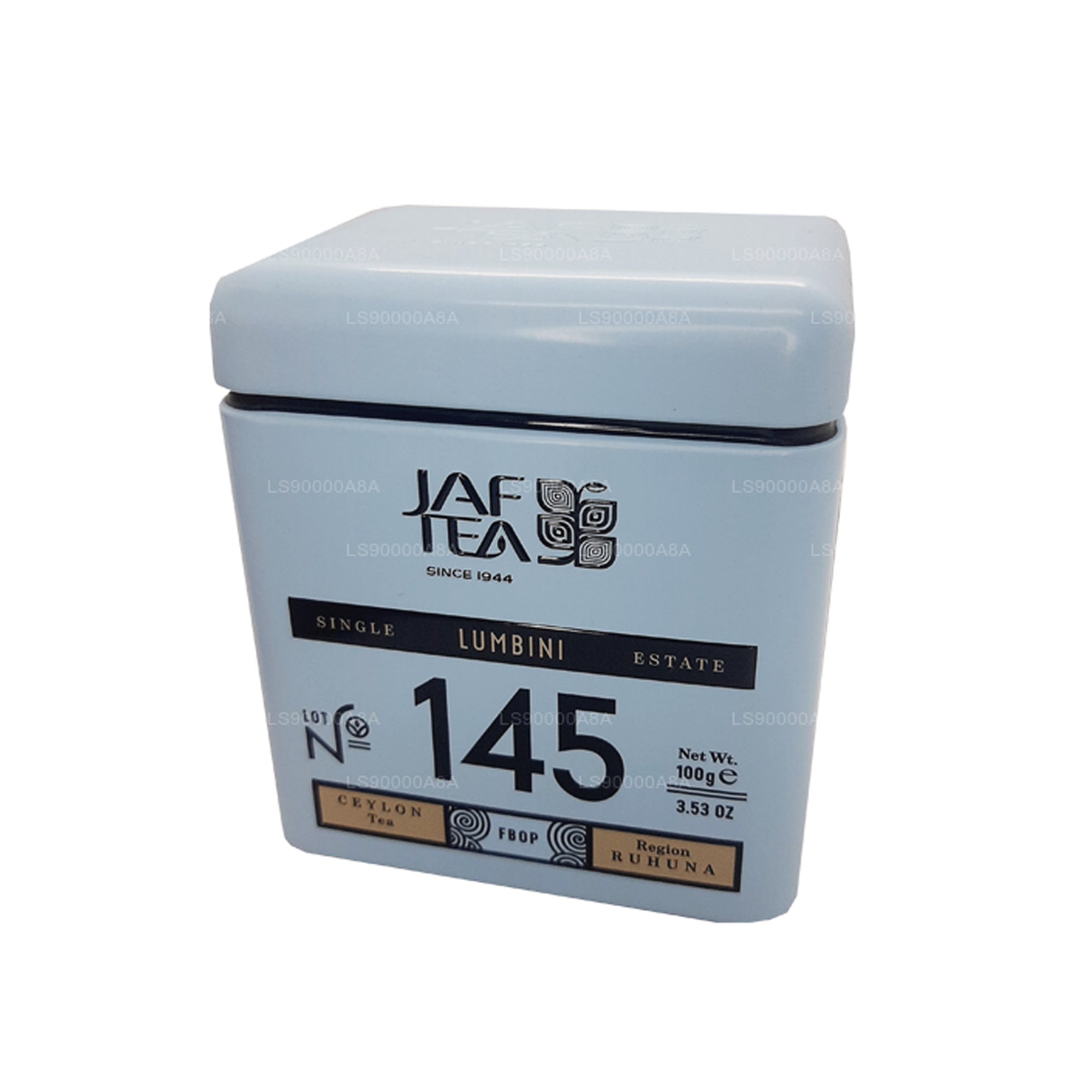
- FBOP (Flowery Broken Orange Pekoe) — the core black tea grade, delivering the estate's signature bold liquor with a clean finish.
- FBOPF EX SP (Flowery Broken Orange Pekoe Fannings Extra Special) — a finer particle grade that brews quickly and intensely, popular in bag and specialty loose-leaf markets.
- White Tea — produced from the TRI 2043 cultivar, minimally processed to preserve delicate floral notes that are unusual for a low-grown estate.
- Hand-spun specialty grades — artisan creations that have attracted international competition honours and appeal to collectors of rare Ceylon teas.
Each grade reflects the estate's underlying philosophy: that a tea's terroir should be amplified, not masked, by the manufacturing process.
How does Lumbini Tea Estate approach sustainability?
Operating beside a protected rainforest places environmental responsibility at the centre of everything Lumbini does. The estate incorporates organic farming techniques and ethical production practices designed to minimise chemical inputs and protect the biodiversity buffer zone shared with Sinharaja. Shade trees are maintained across sections of the plantation, both to regulate soil temperature and to provide habitat corridors for wildlife moving between the estate and the forest.
The smallholder partnership model extends the estate's social commitment beyond its own land, channelling income into the wider Deniyaya farming community and helping to sustain traditional hand-plucking skills that are becoming rare elsewhere in the industry.
What can visitors do at Lumbini Tea Estate?
Lumbini welcomes visitors who want to understand tea production from leaf to cup rather than simply buying a packet from a supermarket shelf. A typical visit includes:
- Plantation walk — a guided tour through the tea fields where staff explain cultivar selection, plucking standards, and the visual differences between flush grades.
- Tea plucking — hands-on participation in the two-leaves-and-a-bud harvesting method used on quality estates.
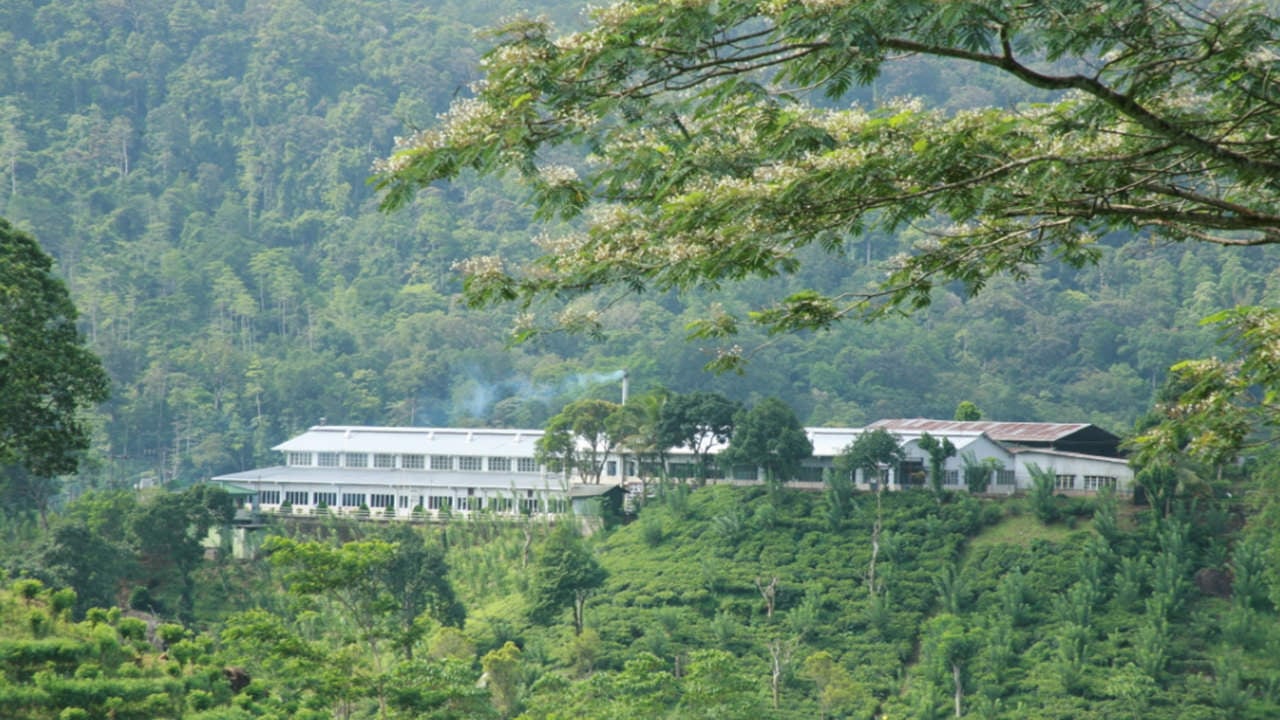
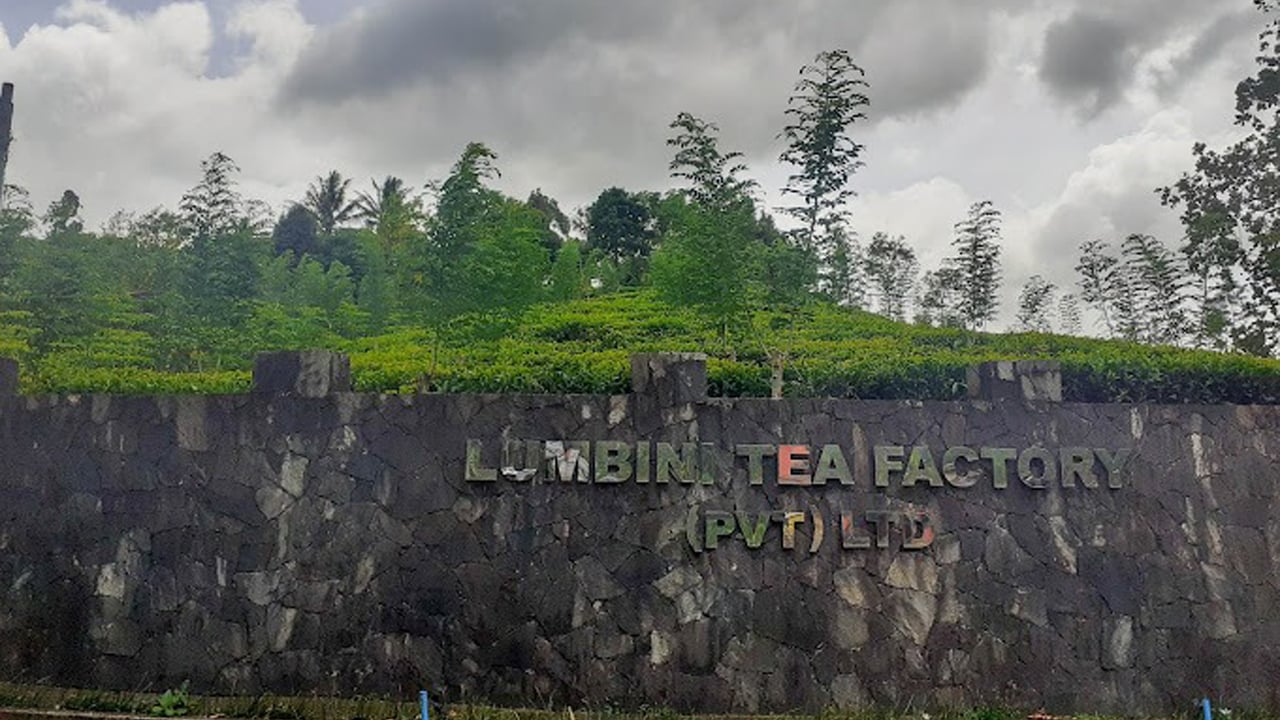
- Factory tour — an inside look at withering, rolling, oxidation, and firing, the orthodox process that gives Lumbini's teas their character.
- Tasting session — a cupping of several estate grades, guided by staff who can describe the flavour differences between each.
The estate's location near Deniyaya also makes it a natural complement to a visit to the Sinharaja forest trails, which can be combined into a single day trip from Galle or a half-day extension from any southern coast base.
How do I get to Lumbini Tea Estate from Colombo or Galle?
Deniyaya lies roughly 160 kilometres south of Colombo and around 65 kilometres inland from Galle. Road access via the Southern Expressway and then the A17 or A24 routes is the most practical option; the drive from Galle typically takes around two hours depending on conditions. Public transport serves Deniyaya but connections are infrequent and journey times long — a private vehicle or organised transfer is strongly recommended, particularly if combining the estate with a Sinharaja nature walk on the same day.
When is the best time to visit Lumbini Tea Estate?
The Deniyaya area receives rainfall from two monsoon cycles, which means the estate stays lush year-round. For factory activity, the period between January and March (the dry inter-monsoon window for the south) typically sees consistent processing, while the estate's output peaks after the southwest monsoon eases in July and August. Visiting during active plucking — most reliable from December through April — gives the fullest factory-floor experience. Avoid attempting the Sinharaja trails immediately after heavy rain, as paths become slippery and forest access may be restricted.
Where does Lumbini tea sit within Sri Lanka's tea regions?
Sri Lanka's tea industry divides estates into high-, mid-, and low-grown categories based on altitude. Lumbini's 450–500 metre elevation places it firmly in the low-grown category alongside estates in Ruhuna and Sabaragamuwa. Low-grown teas are often described as the "working" teas of Ceylon — robust, high in colour, and well suited to blending or strong milk-tea traditions across South Asia and the Middle East. Lumbini, however, goes beyond that commodity profile: its specialty grades and white teas occupy a niche that attracts specialty buyers and direct-to-consumer markets seeking single-estate provenance.
For those exploring Ceylon Green Tea alongside black tea varieties, Lumbini's white tea production offers an interesting point of comparison — both processing styles start from the same freshly plucked leaf, differentiated only by what happens in the first hours after harvest.
Nearby places
16 places within about 25 km, nearest first.
- Pothotuwa Tea Estateunder 1 km
- Kiruwanaganga Estateunder 1 km
- Patna Sliding Rock1 km
- New Deniyaya Estate3 km
- Deniyaya City4 km
- Gal Oruwa Ella Falls5 km
- Pathan Oya Ella5 km
- Handapan Ella Falls5 km
- Sinhagala6 km
- Sinharaja Rain Forest6 km
- Birdwatching at Sinharaja Rainforest7 km
- Sinharaja Forest Reserve7 km
- Gongala8 km
- Rakwana10 km
- Waulpane Cave13 km
- Suriyakanda City15 km