Lenawara Raja Maha Viharaya is one of the lesser-visited but genuinely rewarding ancient temples in the Western Province of Sri Lanka. Perched atop a natural rock outcrop near Bandaragama in the Kalutara District, the temple sits within a quiet landscape of coconut groves and secondary forest — the kind of setting that makes the climb feel worthwhile before you have even reached the shrine.
What is the history of Lenawara Raja Maha Viharaya?
The temple's origins are linked to the reign of King Parakramabahu VI, the 15th-century monarch who ruled from Kotte and is credited with unifying much of the island under one crown. That royal patronage placed Lenawara among a network of rock temples that were established or renovated during a period of considerable cultural activity in the southwestern lowlands.
The physical evidence of the site's age is visible in its drip-ledged cave shrine — a rock overhang carved with a groove along its lip to channel rainwater away from the interior, a hallmark of early Buddhist cave architecture in Sri Lanka. Murals inside the cave and associated statuary reflect influences from the Polonnaruwa period, suggesting either earlier origins or a deliberate artistic continuity maintained by later craftsmen. Rock inscriptions carved into the surface of the outcrop add another layer of historical documentation, though their full interpretation remains the province of epigraphers.
What can you see and do at Lenawara Raja Maha Viharaya?
A set of stone steps cut directly into or alongside the rock face leads visitors from the temple grounds up to the summit and its shrines. The climb is manageable for most visitors, though the exposed rock can be slippery after rain.
- Cave shrine with murals: The drip-ledged cave houses painted murals in a style associated with traditional Kandyan and earlier school traditions. Figures are depicted with care, and the colours — ochre, white, and deep red — have held up reasonably well given the age of the work.
- Reclining Buddha image: A reclining Buddha (parinirvana posture) is among the larger sculptural elements at the site, drawing both worshippers and visitors interested in Sri Lankan religious iconography.
- Hindu deity shrines: Small shrines dedicated to deities including Vishnu reflect the syncretic character common to many Sri Lankan Buddhist temples, where Hindu guardian figures occupy subsidiary positions within the complex.
- Rock inscriptions: Sections of the rock face carry carved inscriptions that document the site's patronage history. They are best viewed during the morning when the angle of light improves legibility.
- Summit view: From the highest accessible point, the view opens across paddy fields, coconut groves, and distant forested ridgelines. On a clear day, the horizon extends well beyond the immediate Bandaragama area, making the summit a favoured spot for quiet contemplation and photography.
What wildlife and natural environment surrounds the temple?
The rock outcrop and the secondary forest around its base support a modest but pleasant range of birdlife. Resident species typical of lowland Sri Lanka — including various sunbirds, barbets, and koels — are regularly heard. Small mammals such as palm squirrels are common, and the temple's mature trees provide a canopy that keeps the site noticeably cooler than the surrounding open land.
The coconut palm groves that frame the approach to the temple are a defining feature of the Kalutara District landscape and add to the sense that this part of Sri Lanka retains an unhurried agricultural character alongside its ancient monuments.
When is the best time to visit Lenawara Raja Maha Viharaya?
The temple is accessible throughout the year and holds religious observances on poya (full-moon) days, when the atmosphere is particularly atmospheric if you are comfortable visiting during active worship. For those primarily interested in exploring the rock face, inscriptions, and summit view, the dry months — roughly from December through to April — provide the most comfortable conditions for the climb and reduce the risk of slippery surfaces on the stone steps.
Early morning visits are recommended in any season. The light is better for photography, the temperature more agreeable, and the site tends to be quieter than during mid-morning, when local visitors arrive after morning chores and school runs.
| Season | Conditions | Notes |
|---|---|---|
| December – April (dry) | Low rainfall, good visibility | Best for rock climbing and summit views |
| May – July (SW monsoon) | Moderate to heavy rain possible | Rock steps can be slippery; murals shelter under cave overhang |
| August – November (inter-monsoon) | Occasional showers | Lush surroundings; pilgrim visits continue uninterrupted |
How do you get to Lenawara Raja Maha Viharaya from Colombo?
Bandaragama is roughly 35 kilometres south of Colombo along the Southern Expressway corridor, making this one of the more accessible heritage rock temples for visitors based in the capital. From Bandaragama town, local signage typically directs travellers toward the temple, though a GPS coordinate or asking locally for "Lenawara Viharaya" will prevent any uncertainty on the approach roads.
Three-wheelers (tuk-tuks) from Bandaragama are a practical last-mile option if you are travelling by public transport. Those with a private vehicle or a private driver can park at the base of the site.
What should visitors know before going?
- Remove footwear before entering any shrine room or the cave area — this is standard practice at all Buddhist temples in Sri Lanka.
- Dress modestly: shoulders and knees should be covered. Lightweight cotton works well in the Kalutara District climate.
- Photography inside the cave shrine may be restricted during active worship — ask the resident monk or temple caretaker before pointing a camera.
- There is no entry fee for most temple compounds in Sri Lanka of this type, though donations toward the upkeep of the murals and shrines are welcomed.
- Carry water, especially if you plan to sit at the summit for any length of time. There are typically no refreshment vendors on site.
How does Lenawara compare to other rock temples in the Western and Southern provinces?
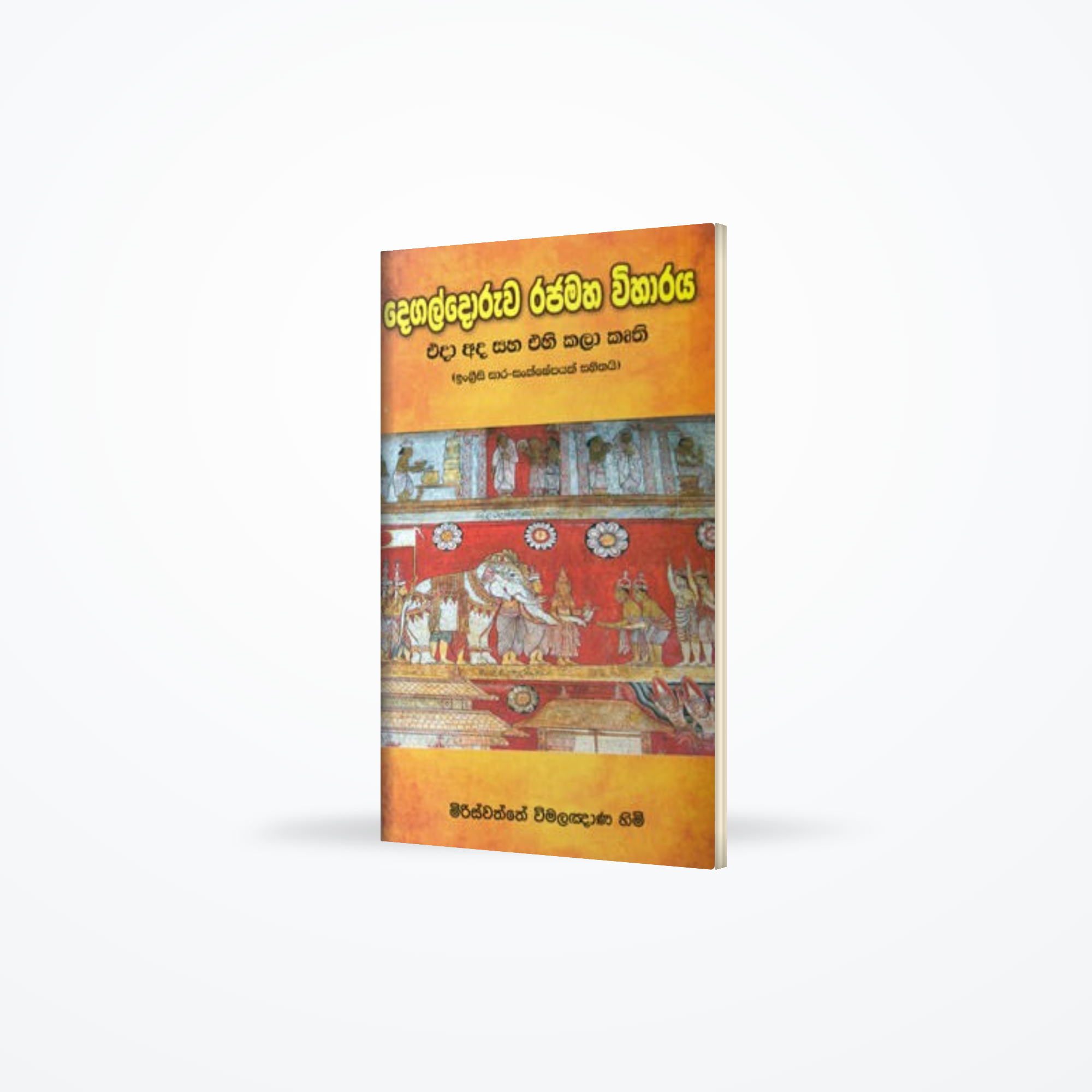
Sri Lanka has dozens of drip-ledged cave temples of varying antiquity, and Lenawara fits squarely within that tradition without being the most famous or the most visited — which is part of its appeal. Sites like Degaldoruwa near Kandy draw larger crowds precisely because they are included on mainstream itineraries. Lenawara, by contrast, retains the atmosphere of a functioning village temple that also happens to have significant historical depth, a combination that serious heritage travellers often find more rewarding than a well-managed tourist monument.
For visitors interested in the broader pattern of such sites across the Kalutara and Gampaha districts, the nearby Iranawila Rajamaha Viharaya offers another point of comparison within comfortable driving distance.
Nearby places
11 places within about 25 km, nearest first.
- Bandaragamaunder 1 km
- Bolgoda (Lake/River)7 km
- Bolgoda Accommodations7 km
- Bolgoda Lake7 km
- Wadduwa City8 km
- Dekanduwala Meditation Centre8 km
- Wadduwa Beach9 km
- Horana9 km
- Horana Economic Processing Zone (HEPZ)9 km
- Kodigahakanda Sanctuary9 km
- Kalutara District16 km