
Lemongrass and citronella are among the most recognisable aromatic grasses in tropical Asia. Both belong to the Cymbopogon genus, share a sharp citrusy scent, and are cultivated across Sri Lanka for culinary, medicinal, and cosmetic purposes. Yet despite their close kinship, they serve quite different roles — and knowing how to tell them apart is more useful than most gardeners or travellers realise.
What is the difference between lemongrass and citronella?
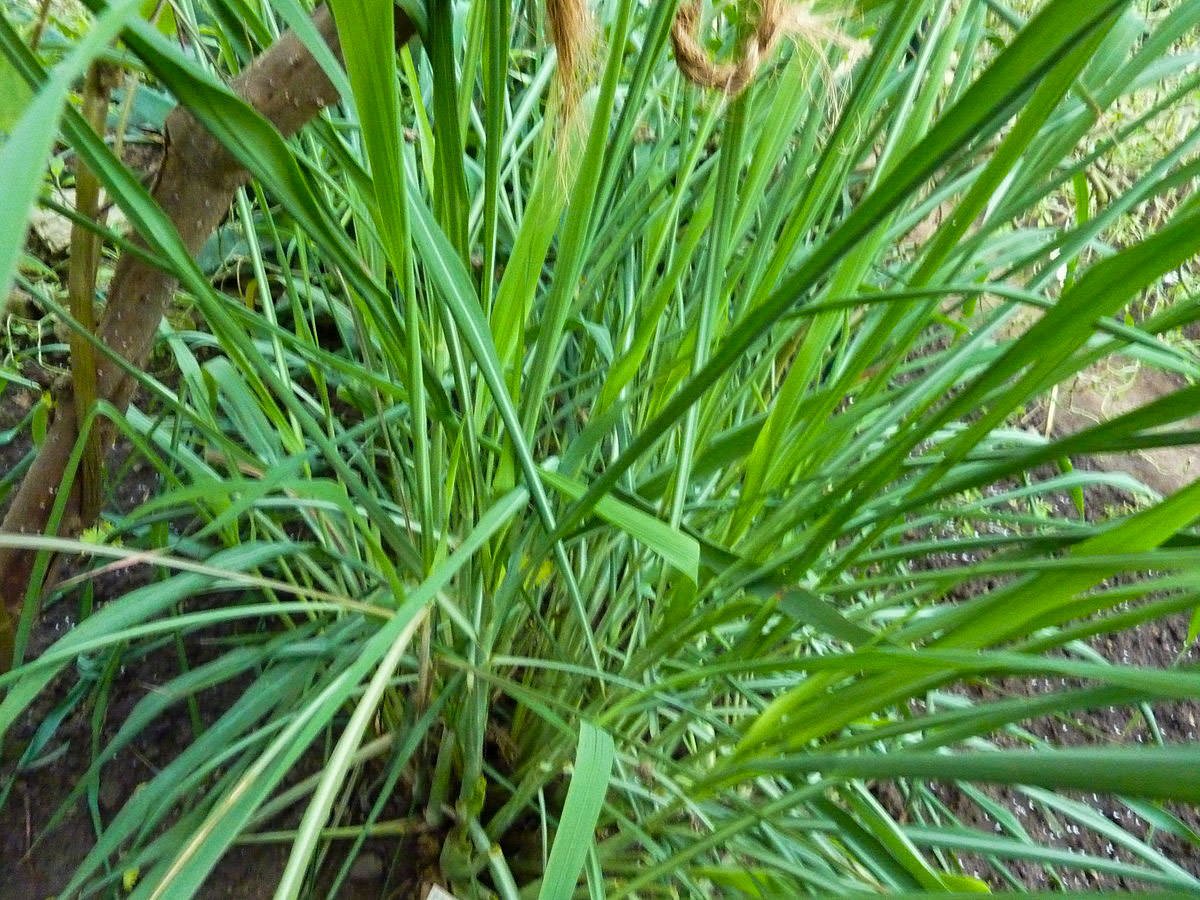
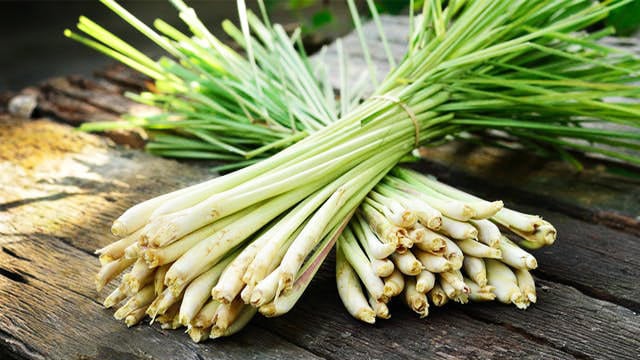
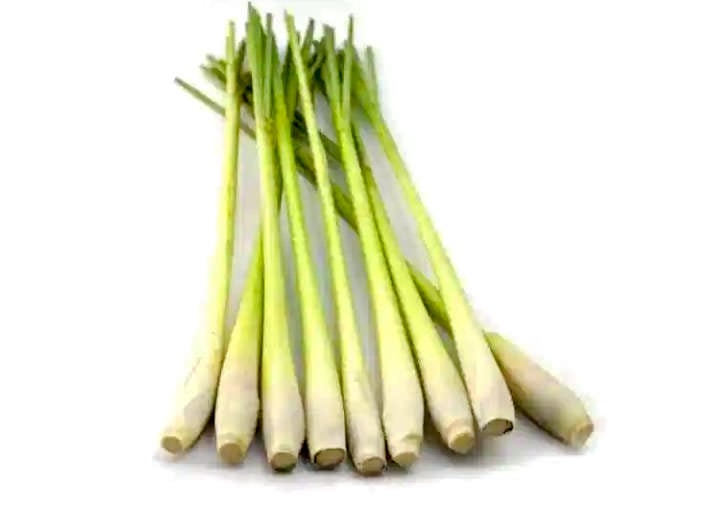
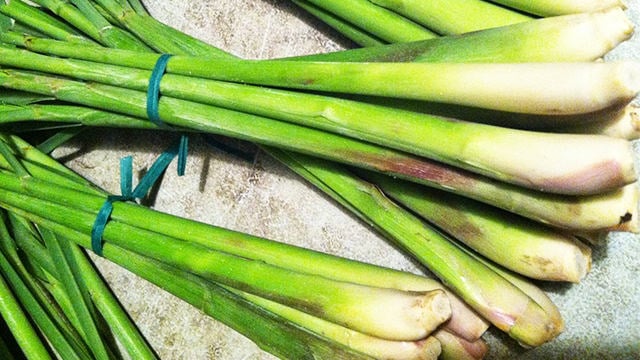
The quickest way to distinguish the two plants while they are still in the ground is to look at the base of the stem. Citronella (Cymbopogon nardus) has pseudostems — the tightly wrapped leaf bases — that are distinctly reddish or purplish at the base. Lemongrass (Cymbopogon citratus) is entirely green at the stem, even when mature.
Beyond colour, the scent gives them away when a leaf is crushed. Lemongrass has a bright, clean lemon note with a slightly herbal edge — the aroma most associated with Southeast Asian cooking and herbal teas. Citronella carries a stronger, more camphor-like undertone beneath the citrus, which is why it is so effective at masking the chemical cues that attract mosquitoes.
As essential oils, the extraction method — steam distillation — is identical for both. The resulting oils are chemically distinct, however: citronella oil is rich in geraniol and citronellal, while lemongrass oil contains high concentrations of citral. This difference underpins their separate commercial applications.
How is lemongrass used in cooking and wellness?
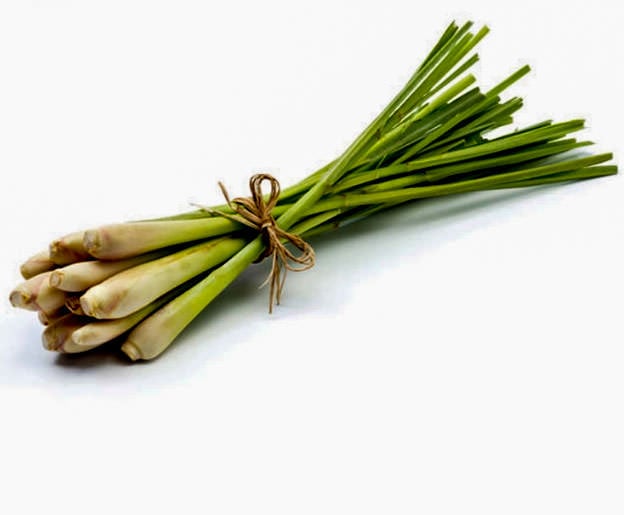
In Sri Lankan cooking, lemongrass appears most often as a flavouring stalk added to curries, broths, and herbal drinks. The outer leaves are fibrous and typically discarded; the pale inner stalk is where the flavour is concentrated. Bruised and simmered, it lends a gentle citrus depth to rice dishes, fish preparations, and soups without the sharpness of lime juice.
As a wellness herb, lemongrass has a long history in Ayurvedic practice across South Asia. It is commonly brewed as a tea to ease digestive discomfort, reduce bloating, and calm mild nausea. Its mild diuretic and anti-inflammatory properties make it a staple in home remedies, and it pairs naturally with ginger, Ceylon green tea, and honey.
- Culinary: Curries, broths, herbal teas, infused water
- Medicinal (traditional): Digestive aid, fever management, mild sedative
- Cosmetic: Soaps, lotions, massage oils, hair care products
- Aromatherapy: Diffuser oils, incense, natural candles
What is citronella used for?
Citronella's primary commercial role is as a natural insect repellent. The oil is incorporated into candles, coil diffusers, sprays, lotions, and potpourri — products that have been in widespread use for well over a century. Recognised by regulatory bodies in multiple countries as a biopesticide, it is considered a gentler alternative to synthetic repellents for outdoor use.
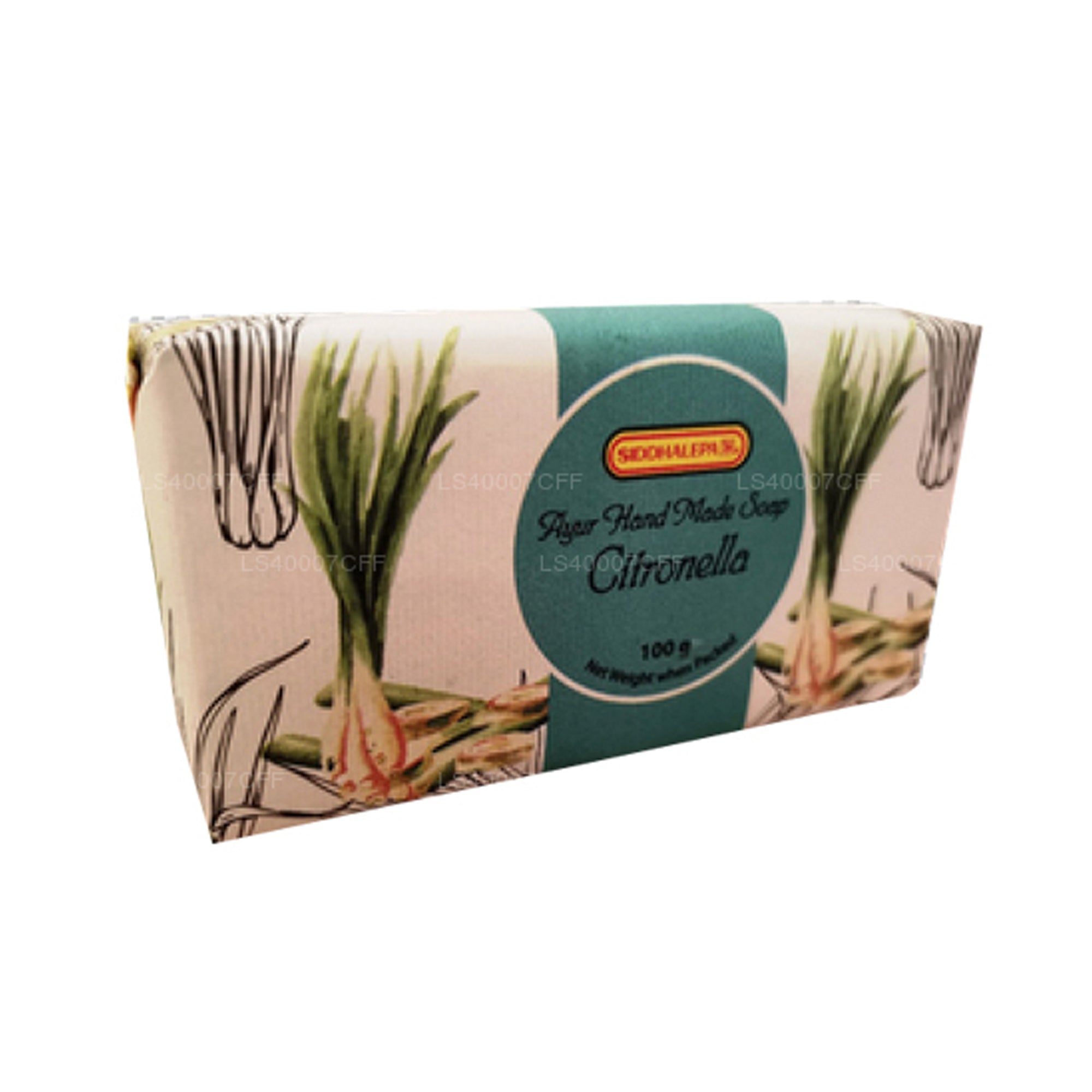
Beyond insect control, citronella essential oil has demonstrated antiseptic, antifungal, and mild antioxidant properties in research settings. It is used in personal-care formulations — soaps, deodorants, and foot creams — where its cleansing scent is commercially appealing. In Sri Lanka, brands such as Siddhalepa have long incorporated citronella into handmade soap ranges that draw on both Ayurvedic tradition and the island's rich botanical heritage.
Citronella should not be used as a substitute for lemongrass in food. Its flavour profile is too astringent for culinary use, and undiluted essential oil of any kind is not safe for ingestion.
Where do lemongrass and citronella grow in Sri Lanka?
Both grasses are well suited to Sri Lanka's tropical climate and are cultivated in home gardens, smallholder plots, and larger agricultural estates across the wet and intermediate zones. They prefer well-drained soil, full sun, and adequate rainfall — conditions found widely in the lowland regions surrounding the hill country.
The island's essential-oil industry, though modest in global terms, produces citronella oil for export alongside clove and other botanical extracts. Lemongrass is grown more commonly for domestic consumption, and fresh stalks appear regularly in local markets. In more biodiverse settings like the Sinharaja Forest Reserve buffer zones, wild relatives of cultivated Cymbopogon species can occasionally be found alongside other native flora.
How are lemongrass and citronella processed into essential oils?
Both plants are processed through steam distillation, a method that passes pressurised steam through freshly harvested plant material. The steam carries volatile aromatic compounds upward; as the steam cools and condenses, the essential oil separates from the water and is collected. The process typically uses the leaves and upper stems rather than the root or pseudostem.
The yield is relatively low — several kilograms of raw plant material are required to produce a small quantity of oil — which is why pure essential oils command a price premium over synthetic fragrance alternatives. Cold-pressed or solvent-extracted versions exist for certain industrial applications, but steam distillation remains the standard for therapeutic-grade oils.
How should you grow lemongrass and citronella at home?
Both grasses propagate easily from root divisions or stalks. A fresh lemongrass stalk with the root base intact can be placed in a glass of water; once it develops white roots, it can be transferred to a pot or garden bed. Citronella is similarly vigorous and will form a dense clump within a single growing season in warm climates.
- Plant in a sunny position with at least six hours of direct light daily.
- Water regularly but ensure good drainage — waterlogged roots will rot.
- Divide clumps every one to two years to keep growth manageable.
- Harvest lemongrass by cutting stalks close to the base; new growth will follow.
- For citronella, lightly bruising or brushing the leaves releases the repellent oil — useful near a seating area outdoors.
In Sri Lankan home gardens, both plants are often grown alongside coconut palms and other tropical herbs, making efficient use of space in a mixed planting system.
What wellness and beauty products feature lemongrass or citronella?
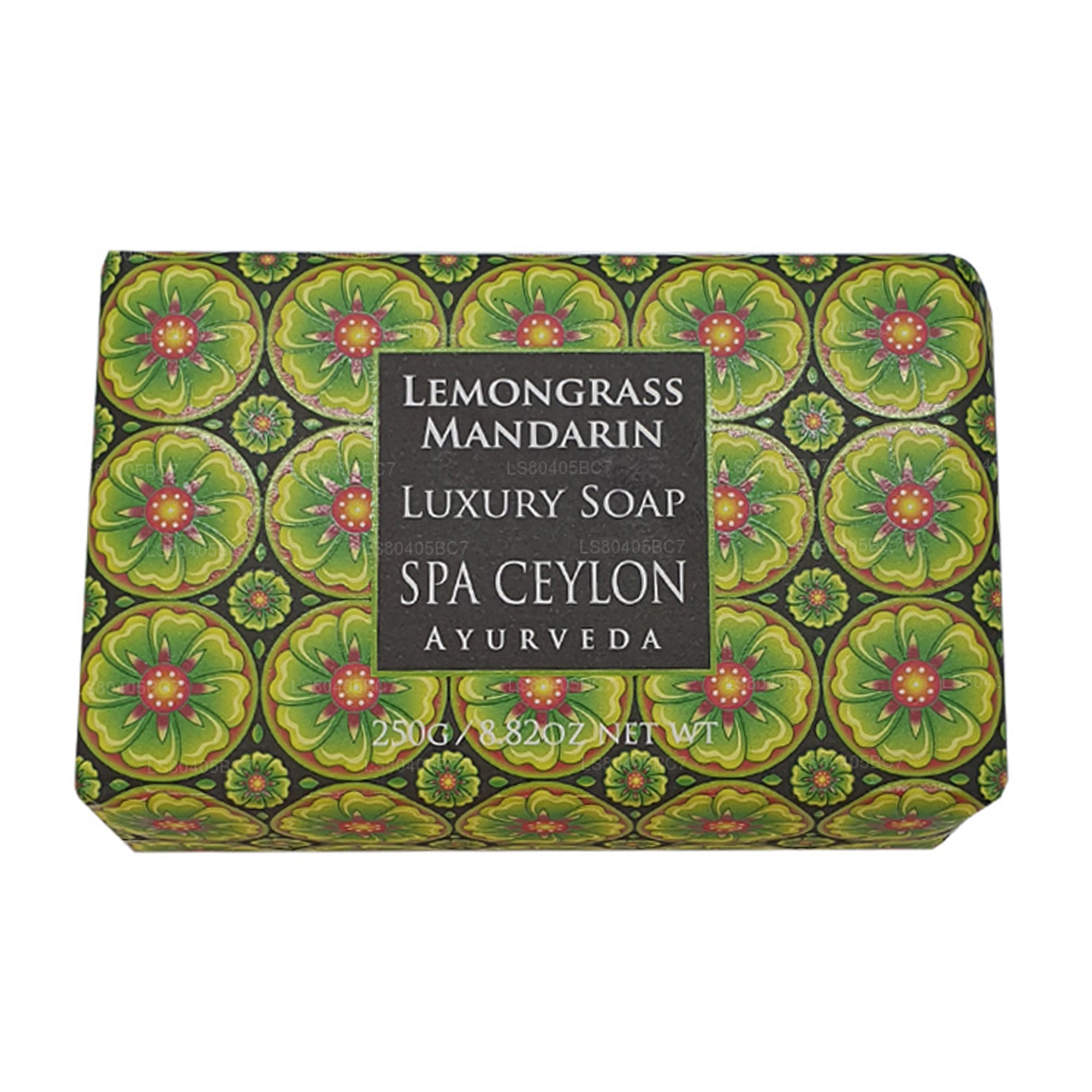
Sri Lankan wellness brands have invested significantly in lemongrass- and citronella-based formulations that combine Ayurvedic philosophy with contemporary cosmetic science. Products range from handmade bar soaps and massage oils to aromatherapy candles, incense sticks, and hydrating body balms. The Spa Ceylon lemongrass and mandarin range, for instance, pairs the citrusy clarity of lemongrass with sweet mandarin for a fragrance profile that works across skincare and home-fragrance categories.
For travellers looking to bring home an authentic piece of Sri Lanka's botanical tradition, these locally produced wellness items make considered gifts — lightweight, fragrant, and rooted in a centuries-old relationship between the island and its medicinal plant heritage.