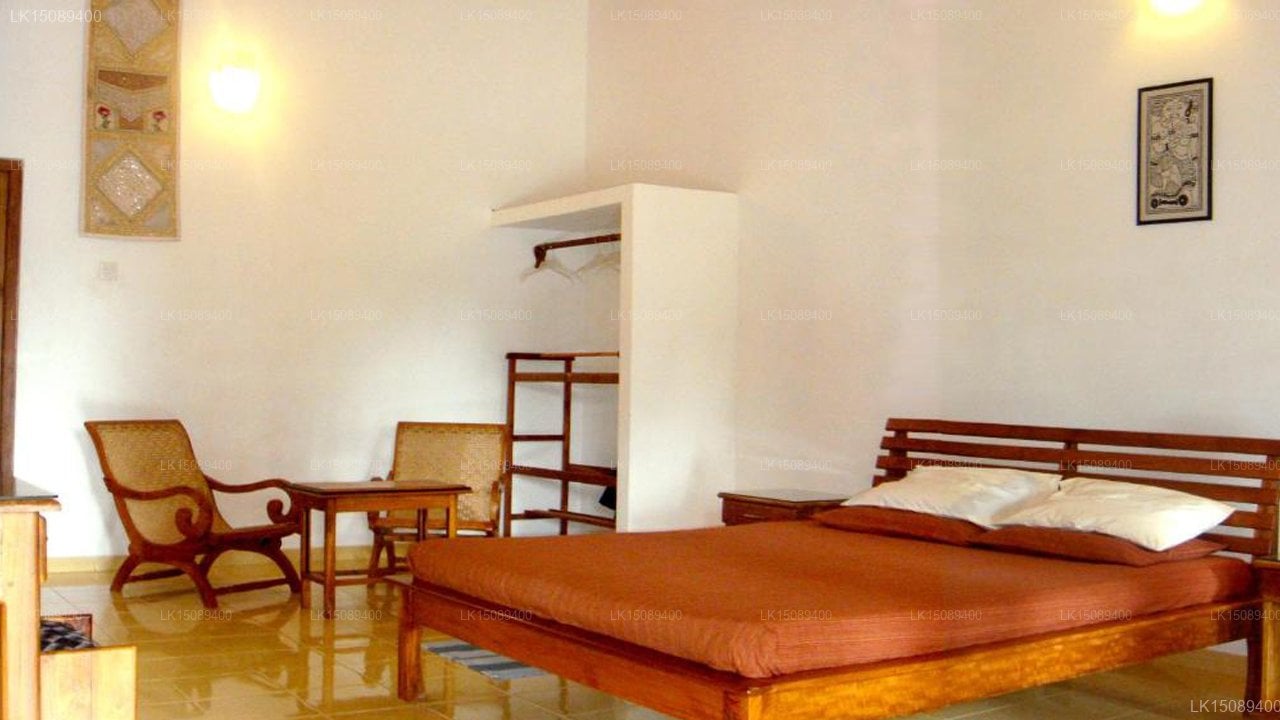
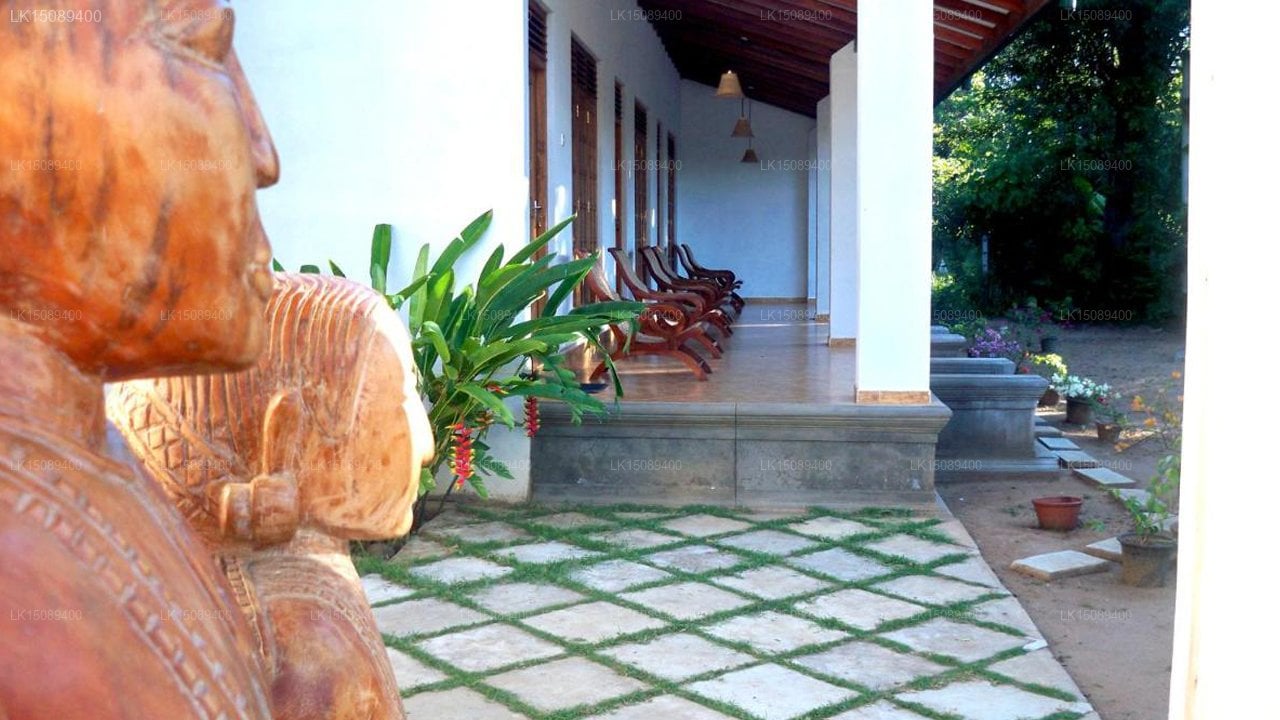
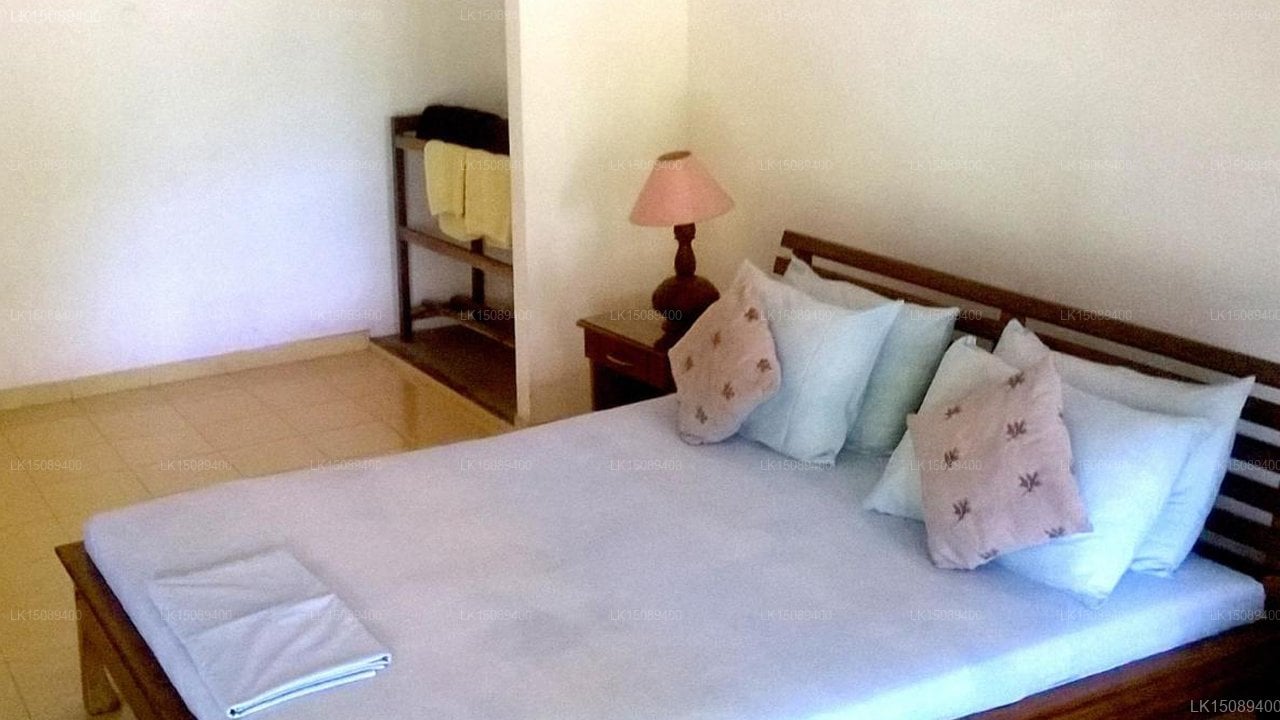
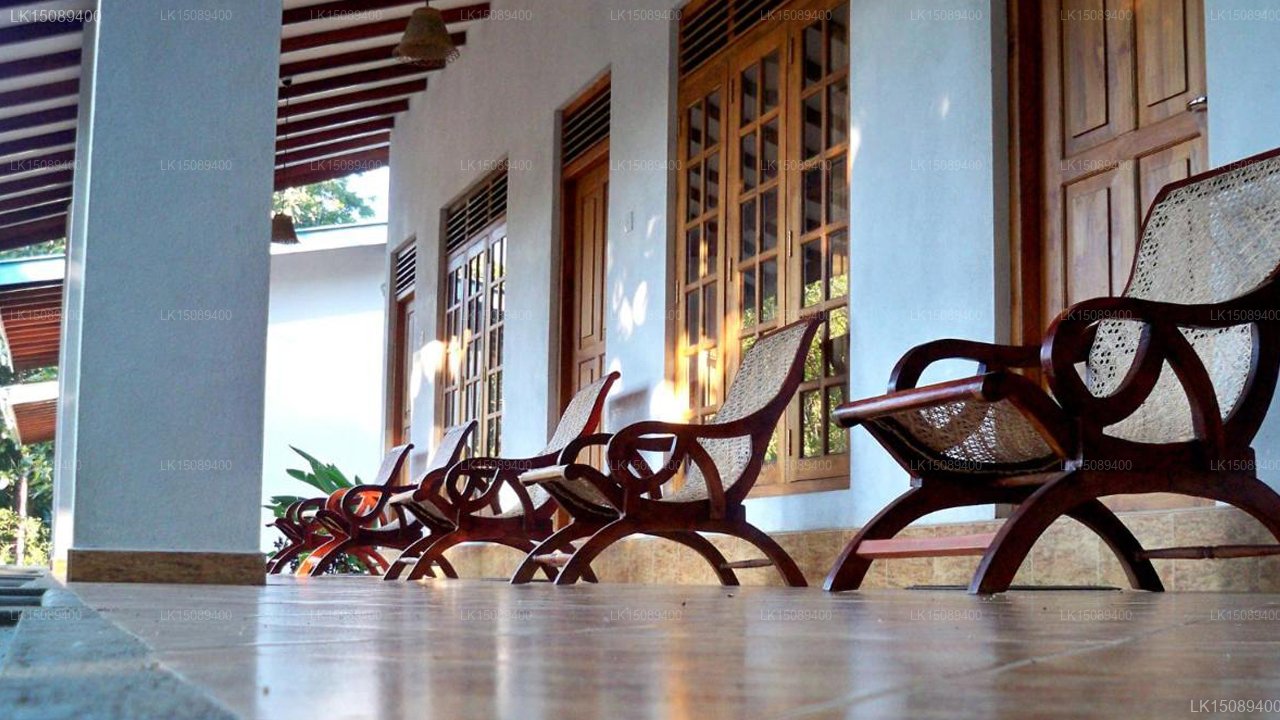
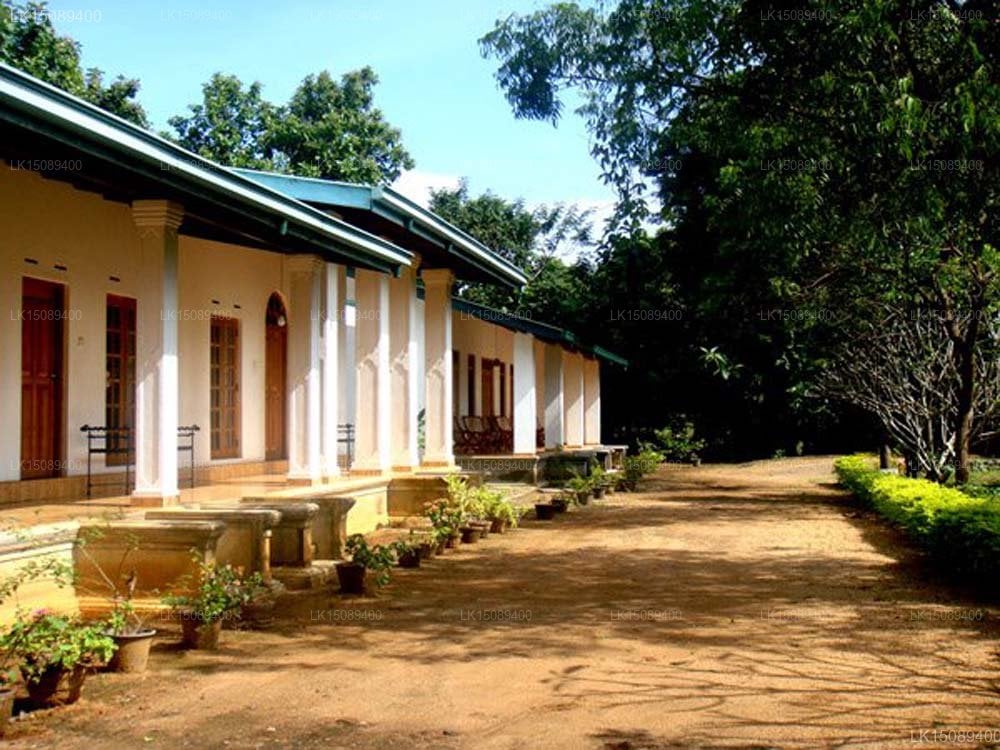
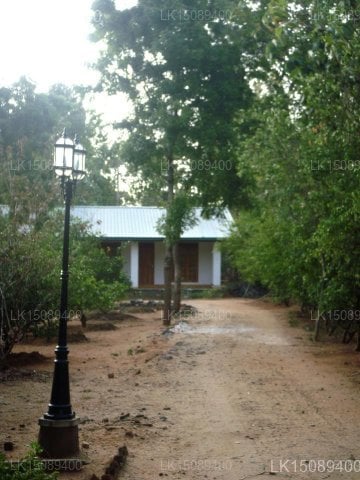
Tucked into the cultural heartland of Sri Lanka's North Central Province, Le Grand Meaulnes Family Hotel in Habarana is a quietly comfortable base for travellers who want genuine wildlife encounters and ancient-city exploration without the crowds of larger resort towns. The property runs two bungalows and five en-suite guestrooms, keeping the atmosphere personal and unhurried — a marked contrast to the large chain hotels that dominate this corridor.
Where exactly is Le Grand Meaulnes, and why does location matter?
Habarana sits at a natural crossroads in the island's interior, roughly equidistant from Colombo, Trincomalee, and Batticaloa. That geography makes it one of the most practical staging points for multi-park safari itineraries. The Sigiriya rock fortress is a short drive to the north, while the ancient city of Polonnaruwa — a UNESCO World Heritage Site — lies roughly 50 km to the east. Kaudulla and Minneriya national parks, both famous for elephant gatherings, are within easy reach.
The hotel's immediate surroundings blend paddy fields with scrub forest, so the transition from your veranda to the wild is almost seamless. Early mornings often bring bird activity right on the property.
What accommodation options are available at Le Grand Meaulnes?
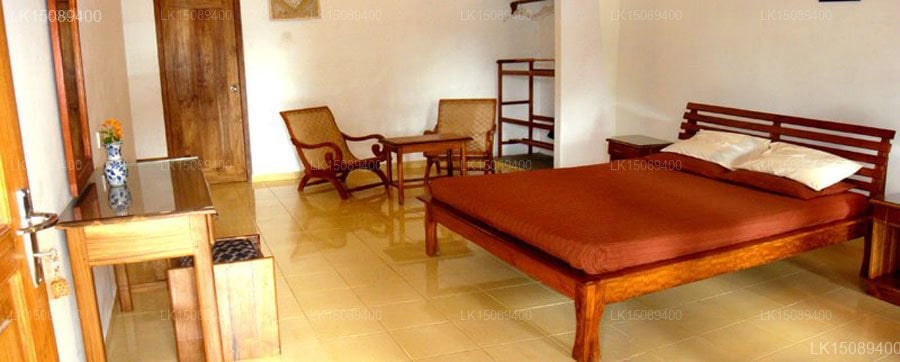
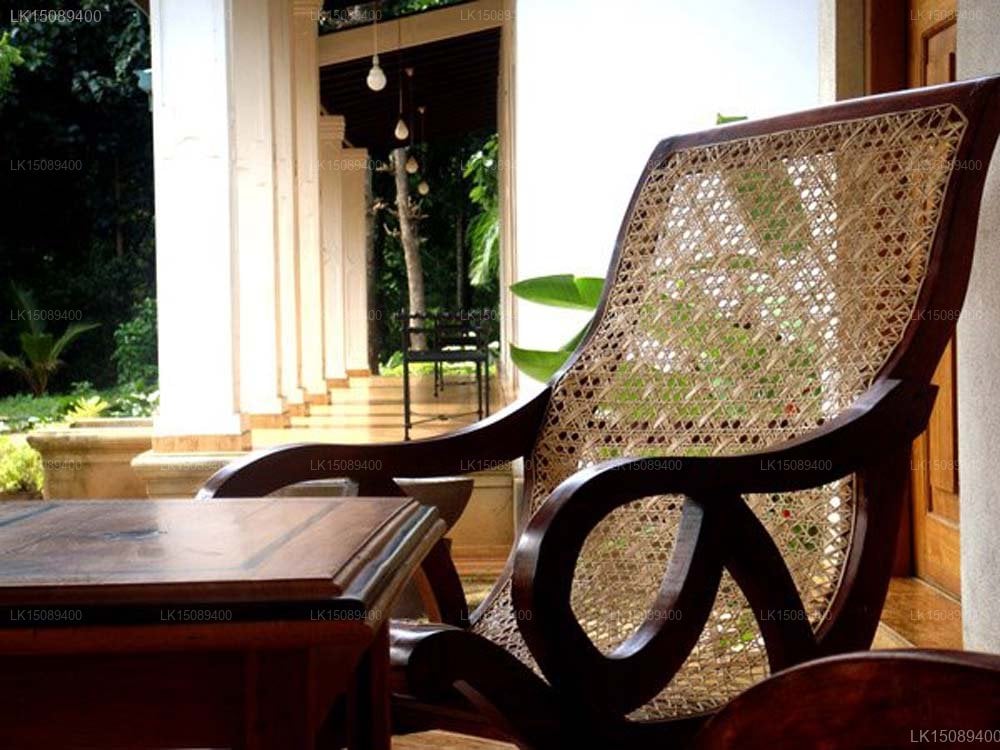
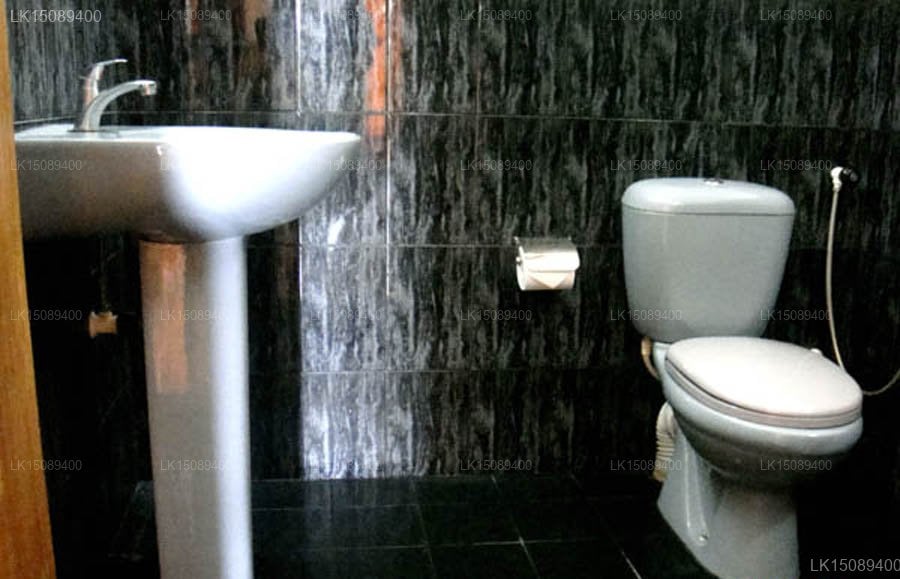
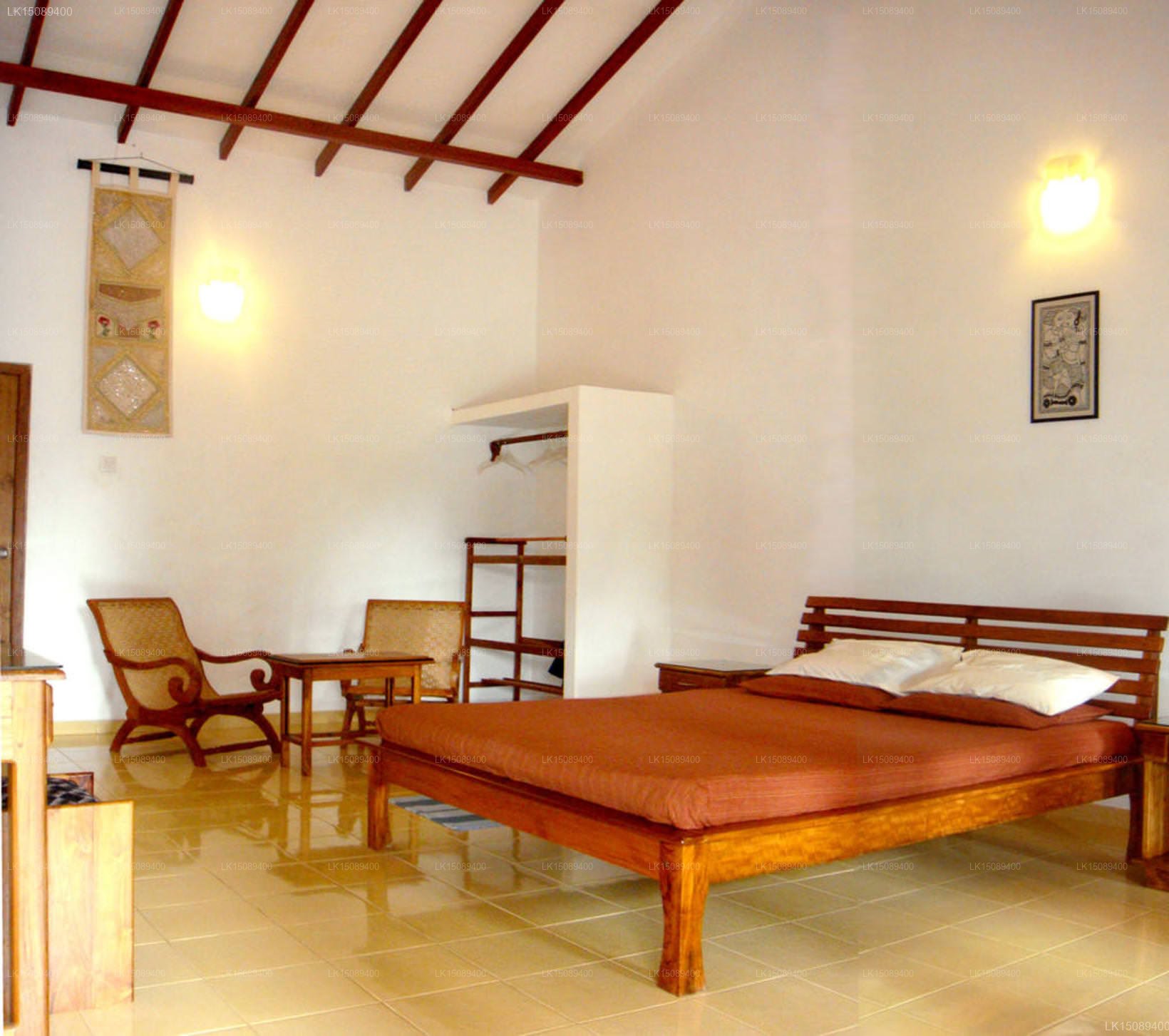
The property offers two standalone bungalows and five guestrooms, all with attached bathrooms. The bungalow format suits families or small groups who prefer a degree of separation from other guests. Rooms are straightforward and well-kept rather than luxurious — the emphasis is on comfort and convenience for travellers who plan to spend most of their daylight hours out on excursions.
Air conditioning, reliable hot water, and Wi-Fi connectivity are standard expectations at most Habarana guesthouses in this category; confirm current specifics directly with the property when booking, as facilities can vary by season.
What can you eat at Le Grand Meaulnes?
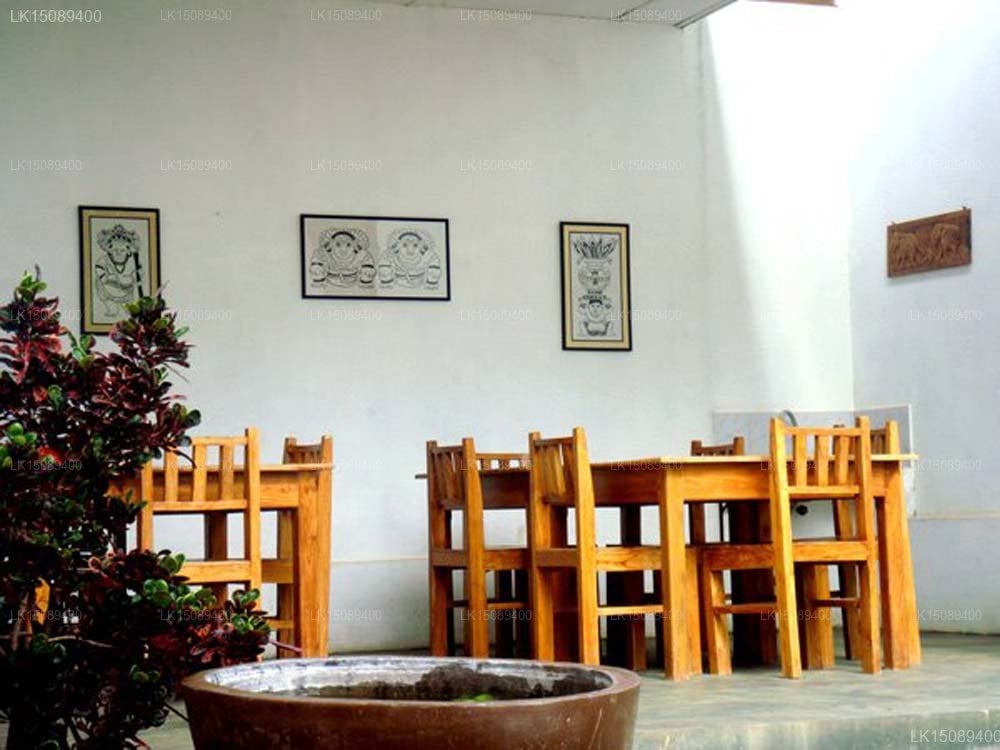
The kitchen leans heavily on Sri Lankan home cooking — rice and curry meals built around seasonal vegetables, lentils, and locally sourced fish or chicken. BBQ evenings are offered for groups, making them a popular choice for families travelling together. Meals are served on-site, which matters in Habarana where dining options outside the larger hotels are limited after dark.
Ingredients tend to follow what is fresh and local. Expect dishes flavoured with Ceylon black pepper and spices typical of the North Central Province's culinary tradition.
What wildlife and nature experiences are close by?
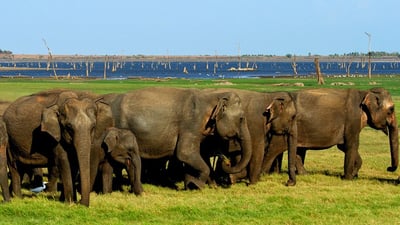
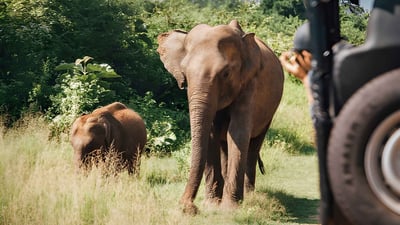
Habarana's greatest draw is its proximity to three national parks within a roughly 30 km radius: Minneriya, Kaudulla, and Hurulu Eco Park. Between July and October, the "Gathering" at Minneriya and Kaudulla sees hundreds of elephants congregate around receding reservoirs — one of the largest wild elephant assemblies recorded anywhere in Asia.
- Kaudulla National Park — favoured for afternoon safaris when herds move toward the tank (reservoir).
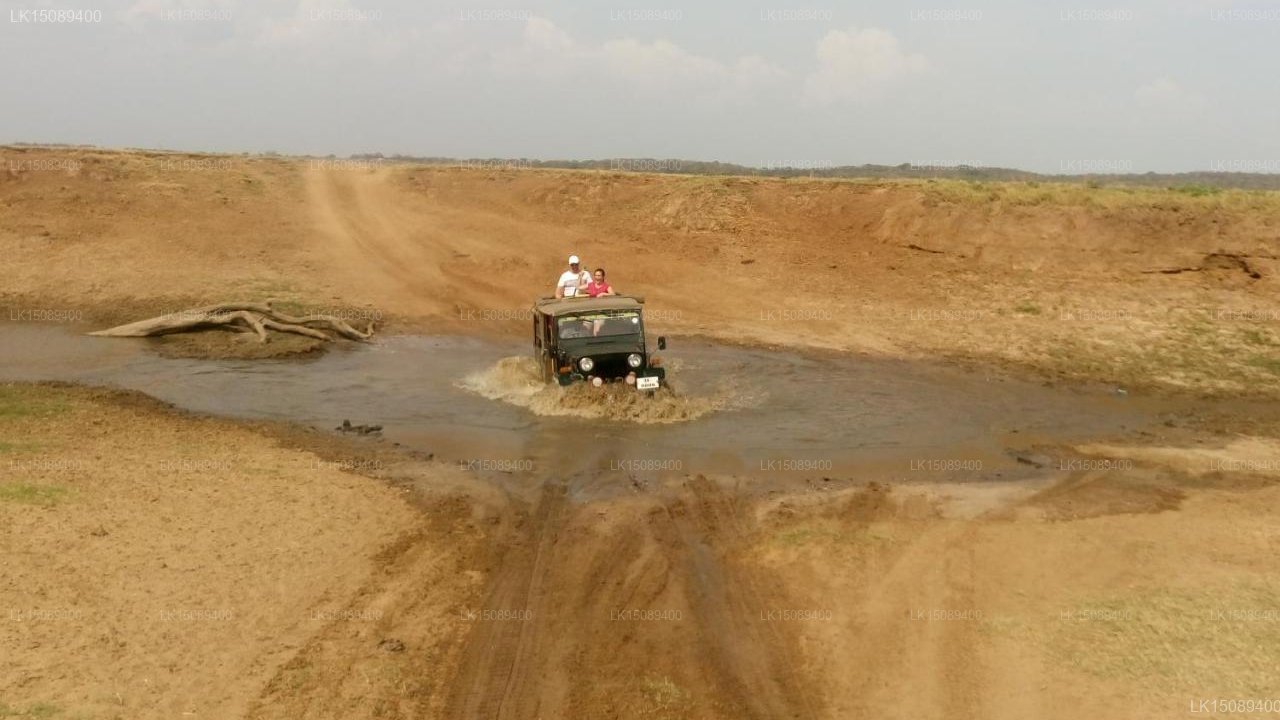
- Minneriya National Park — classic jeep safari territory with open grassland around the ancient Minneriya reservoir.
- Hurulu Eco Park — less visited, good for those wanting quieter game drives.
- Wilpattu National Park — around two hours by road; the largest national park in Sri Lanka, known for leopards and secluded forest lakes.
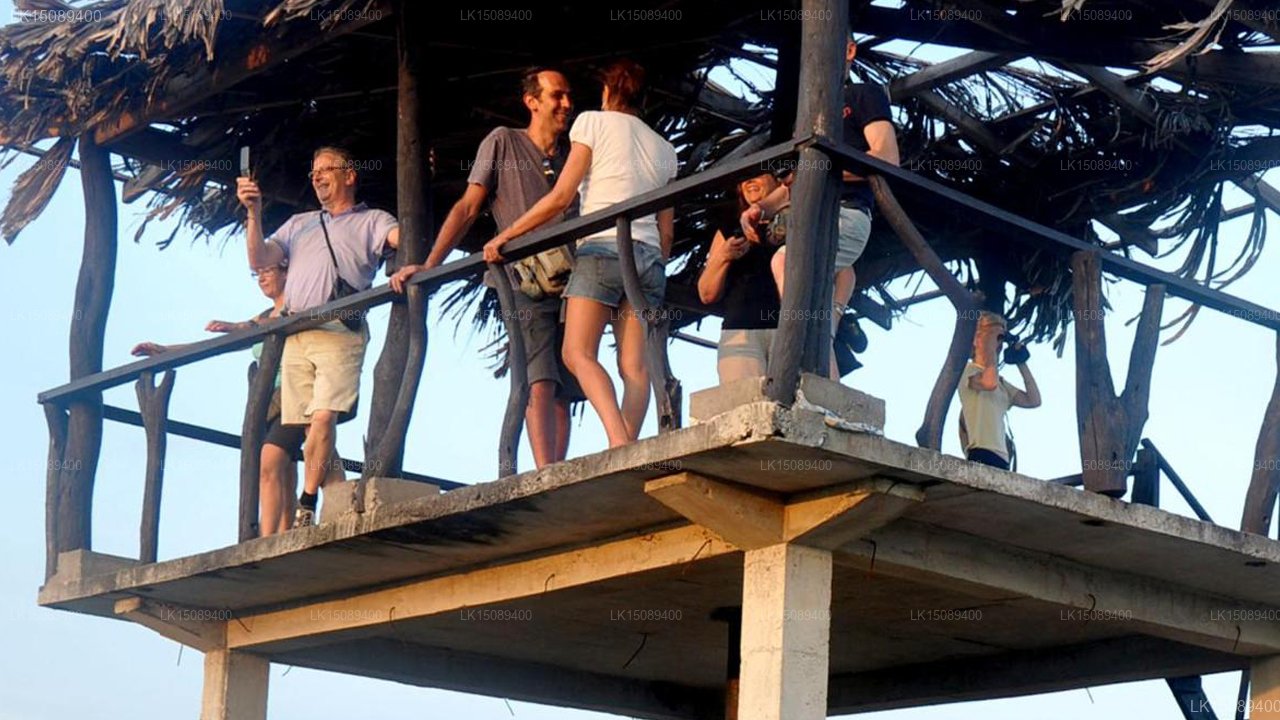
Walking along the edge of the Habarana tank at dusk is a low-key but rewarding alternative for guests who prefer something gentler than a jeep safari.
What cultural sites can you visit from Habarana?
Habarana sits at the edge of the Cultural Triangle, the zone that contains Sri Lanka's greatest concentration of ancient monuments. Day trips from Le Grand Meaulnes can comfortably cover:
- Sigiriya — the 5th-century rock citadel with mirror-wall frescoes and water gardens, about 20 km away.
- Polonnaruwa — the medieval capital with the Gal Vihara rock temple and the Kiri Vehera stupa, around 50 km east.
- Dambulla Cave Temple — a short drive south, housing five caves of Buddha statues and ancient murals.
- Ritigala Forest Monastery — an atmospheric ruin within forested hills, rarely crowded.
The proximity of so many heritage sites to a single comfortable base is the primary reason many itineraries route through Habarana for two or three nights rather than one.
What activities can guests arrange from the hotel?
Le Grand Meaulnes is well-positioned to help arrange safari tours, guided heritage visits, and village excursions. Common activities guests pursue from this base include:
- Jeep safaris in Kaudulla, Minneriya, or Hurulu parks
- Guided cycling through surrounding villages and paddy fields
- Hot-air ballooning over the cultural triangle landscape (typically available in the dry season)
- Elephant-back rides, though travellers are encouraged to research responsible operator standards before booking
- Half-day visits to local spice gardens and tank irrigation systems
How do you get to Le Grand Meaulnes from Colombo?
Habarana is approximately 180 km from Colombo, making it roughly a 3.5- to 4-hour drive depending on traffic through Kurunegala or via the A6 road. There is no direct express train service to Habarana; the nearest main railway stations are Habarana station itself (limited services) or Polonnaruwa for trains on the Batticaloa line. Most guests travelling independently prefer a private transfer for convenience and luggage flexibility.
Lakpura arranges door-to-door private transfers from Bandaranaike International Airport (CMB) directly to the hotel, removing the logistical difficulty of coordinating connections in an unfamiliar region.
When is the best time to visit Habarana?
The North Central Province is largely sheltered from both monsoons, making Habarana accessible year-round. That said, conditions vary:
| Period | Conditions | Safari Notes |
|---|---|---|
| May – September | Dry and hot; reservoir water levels drop | Best for the elephant Gathering at Minneriya / Kaudulla |
| October – January | Short northeast monsoon; intermittent rain | Vegetation lush; good birding; fewer tourists |
| February – April | Warm and relatively dry | Good general wildlife viewing; Sigiriya less crowded |
The peak elephant-watching window (roughly July to October) draws the highest visitor numbers, so booking accommodation and park safaris well in advance is advisable during that period.