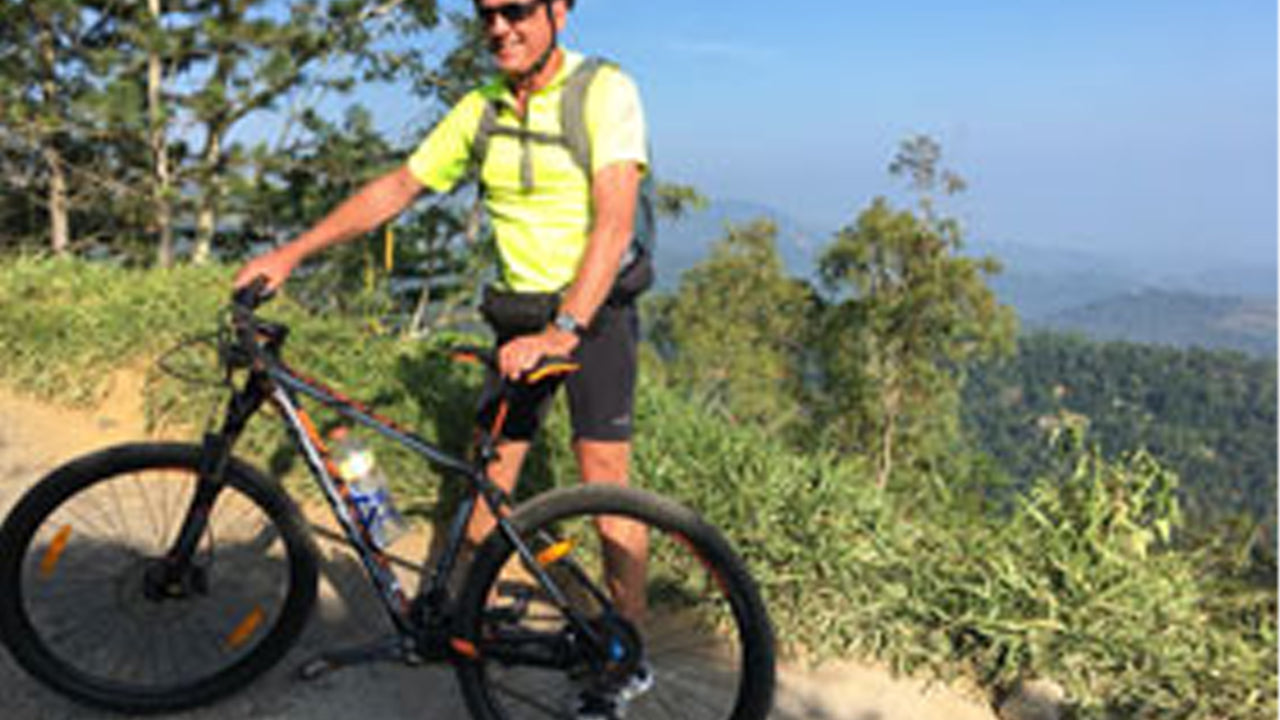
Perched within the Knuckles Conservation Forest in central Sri Lanka, the Knuckles Viewpoint opens onto a sweeping tableau of layered ridges, cloud-draped valleys, and patchwork forest that few other spots on the island can match. The range takes its name from the resemblance of its peaks to a clenched fist when viewed from the plains below — an apt metaphor for terrain that rewards effort with perspective. As part of a UNESCO World Heritage Site, this highland corridor is among Sri Lanka's most carefully protected landscapes, and the viewpoint is one of the most accessible windows into it.
What makes the Knuckles Viewpoint worth the journey?
The viewpoint sits at an elevation where the air is noticeably cooler and the light shifts quickly as clouds move across the ridgeline. On clear mornings, the vista extends across the central highlands in a series of receding green planes, with mist pooling in the valleys between. Compared to the more visited Horton Plains National Park, the Knuckles Range sees far fewer tourists, which means the experience here is quieter and more genuinely wild.
Beyond the view itself, the surrounding conservation forest provides context. This is not a manicured lookout platform — it is a working ecosystem. Endemic species of birds, reptiles, amphibians, and flowering plants exist here and nowhere else on earth, and the forest around the viewpoint is continuous with the broader range where most of that biodiversity is concentrated.
What can you see and do at the Knuckles Viewpoint?
The viewpoint functions as both a destination and a trailhead. The activities available span a wide range of fitness levels and interests:
- Hiking and trekking: Trails of varying difficulty depart from the viewpoint area, from short nature walks through montane forest to multi-day routes that traverse the full range. The trail toward Mini World's End — a dramatic cliff edge above a deep valley — is among the most popular day hikes in the area.
- Mountain biking: The eastern ridges of the Knuckles Range are increasingly well-regarded among mountain bikers. Descents through tea-country roads and forest tracks offer a fast-paced alternative to hiking.
- Birdwatching: The Knuckles Range harbours a high density of endemic and range-restricted bird species. Early mornings around the viewpoint are productive, particularly for species such as the Sri Lanka whistling thrush and the spot-winged thrush.
- Photography: The interplay of mist, cloud shadow, and morning light creates conditions that shift minute by minute. Arriving at or just before dawn provides the most dynamic light for landscape photography.
- Wildlife observation: Leopard, sambar deer, and endemic purple-faced langurs inhabit the range, though sightings are not guaranteed. The cloud forest patches near the upper elevations support the highest concentrations of endemic species.
When is the best time to visit the Knuckles Viewpoint?
The Knuckles Range has two distinct monsoon influences, which means no single month is uniformly wet or dry across the entire area. As a general guide, the period from December to April brings drier, more settled conditions that favour trekking and clear views. Trail surfaces are firmer, river crossings are easier, and the probability of an unobstructed panorama from the viewpoint is higher.
From May onward, the southwest monsoon brings heavier rainfall to the western flanks of the range. The forest becomes extraordinarily lush and waterfalls run at full volume, which is appealing in its own right, but trails can be slippery and cloud cover often obscures the long views. If visiting during the wetter months, starting early and accepting changeable conditions is advisable. Leech socks and waterproof layers are practical necessities rather than optional extras.
How do you get to the Knuckles Viewpoint from Kandy?
Kandy is the most logical base for visiting the Knuckles Viewpoint, and the drive takes roughly one to two hours depending on the specific trail access point chosen. The most commonly used routes approach from Kandy via Rangala or from Matale via Illukkumbura, with the road conditions ranging from paved highway to narrow mountain tracks in the final kilometres. A four-wheel-drive vehicle is recommended for some access roads, particularly after rain.
Public transport serves the gateway villages, but connections can be infrequent and the walking distances from bus stops to trailheads are significant. Most visitors arrange private transport, which also allows flexibility in departure times — important when you want to reach the viewpoint at first light. The Kandy City Tour can serve as a natural companion to a Knuckles visit, combining the cultural heart of the hill country with its wildest highland scenery.
Where should you stay near the Knuckles Range?
Accommodation near the Knuckles Viewpoint ranges from basic guesthouses in Kandy to purpose-built eco-lodges and glamping camps within or adjacent to the conservation area. Staying overnight within the range itself is strongly recommended for those who want to catch dawn at the viewpoint — the drive from Kandy in darkness on winding mountain roads is manageable but adds time and uncertainty.
Several small properties sit close to the forest boundary, offering guided walking access to viewpoints and trails from the doorstep. These tend to be simple but comfortable, with good food and knowledgeable local guides on hand. Booking well in advance is advisable during the dry season peak between January and March.
What should you know before you go?
The Knuckles Conservation Forest is managed by the Sri Lanka Department of Wildlife Conservation and the Forest Department. Entry to some sections requires a permit, which can be arranged through registered guides or accommodation providers in the area. Hiking without a guide is possible on some marked trails but not advisable on the longer or more remote routes, where the terrain is complex and mobile coverage is limited.
- Carry enough water for the full duration of your hike — sources along trails are not always reliable.
- Wear layers: temperatures at the viewpoint can be significantly cooler than at the base of the range, and conditions can change within an hour.
- Respect the forest: no littering, no picking of plants, and keep noise low around wildlife areas.
- Register with your accommodation or a local guide before setting out on longer trails — this is both a safety practice and often a regulatory requirement.
The Knuckles Range also connects ecologically to other protected areas in the central highlands. Visitors with more time often combine a Knuckles visit with Sinharaja Forest Reserve to the southwest, creating a highland biodiversity circuit across two of Sri Lanka's most important conservation areas.
Nearby places
11 places within about 25 km, nearest first.
- Gommolliya Peak2 km
- Corbet’s Gap4 km
- Nitro Cave4 km
- Alakola Falls6 km
- Campbell's Lane Forest Reserve6 km
- Hunnasgiriya6 km
- Knuckles Mountain Range6 km
- Sembuwatta Lake6 km
- Lakegala7 km
- Bambarakiri Ella Falls9 km
- Elkaduwa Town9 km