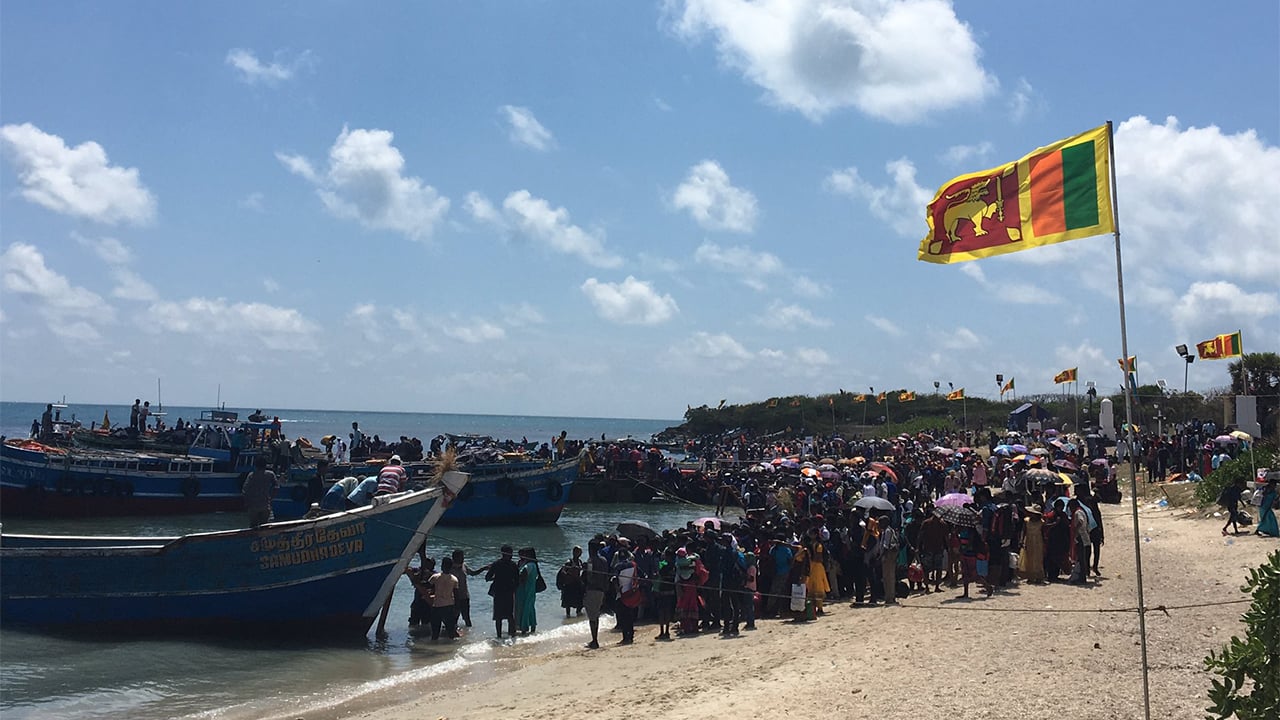

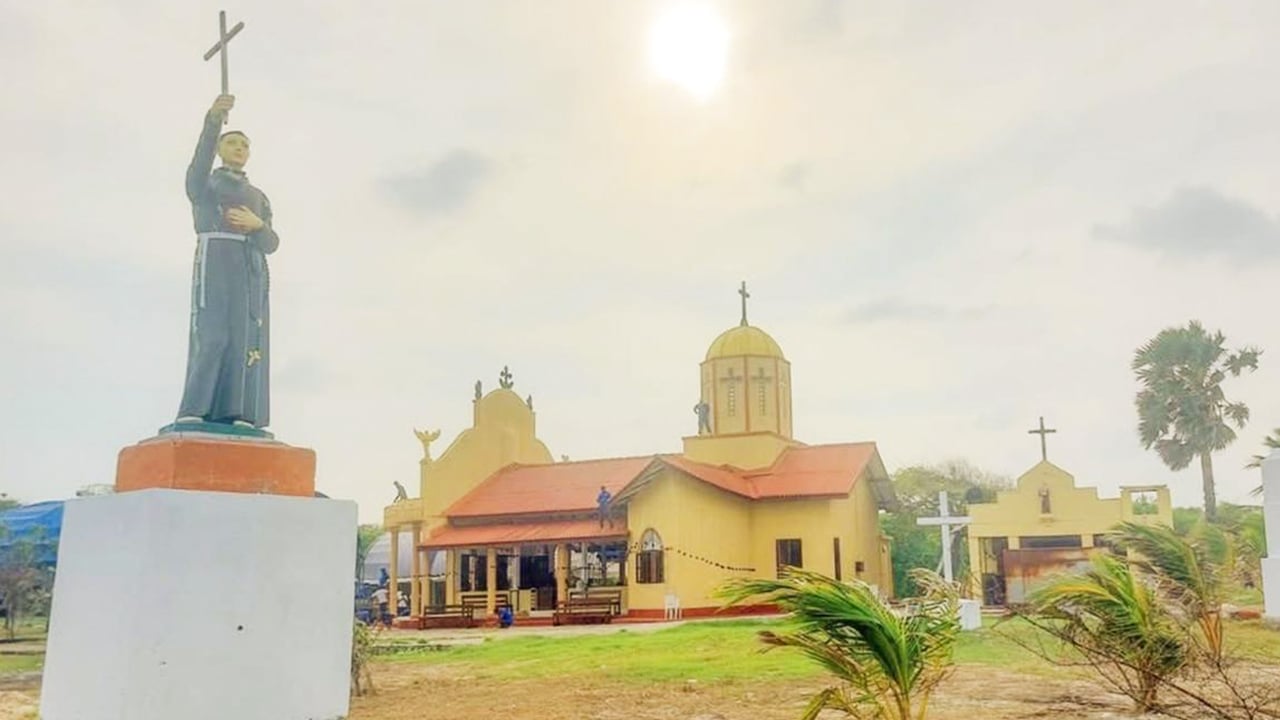
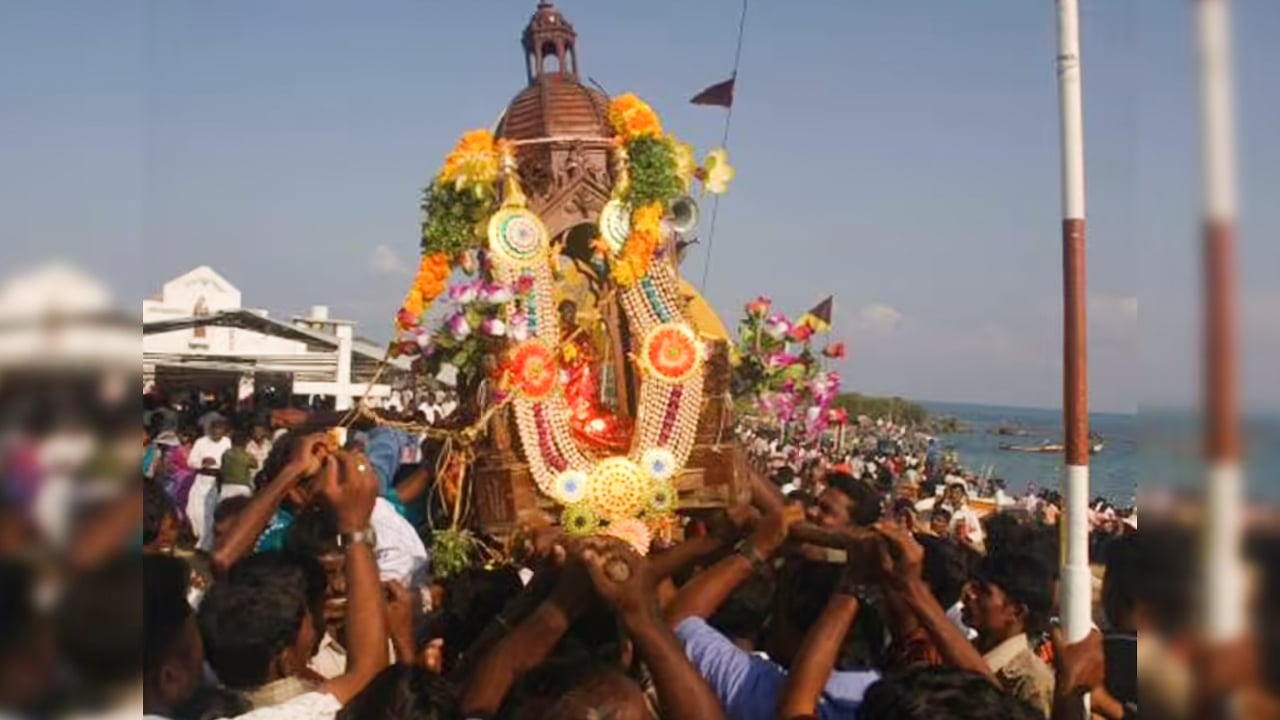


Each year, the uninhabited island of Katchatheevu in the Palk Strait briefly transforms from a wild stretch of coral and scrub into one of South Asia's most distinctive cross-border pilgrimage sites. The occasion is the St Antony Church Festival, held in honour of St Anthony of Padua at the island's only permanent structure — the St Antony's Shrine, built in 1905. For two or three days, thousands of pilgrims from both Sri Lanka and India arrive by sea, united by a shared act of devotion that cuts across nationality, language, and politics.
What is the significance of Katchatheevu island?
Katchatheevu sits roughly midway between the Sri Lankan mainland and India's Tamil Nadu coast, in waters long traversed by Tamil fishing communities on both sides. The island itself is administered by Sri Lanka but has been a point of historical and diplomatic sensitivity since the bilateral agreement of 1974 that formally acknowledged Sri Lankan sovereignty. Despite that complexity, the festival has continued largely uninterrupted, operating as a rare humanitarian corridor that allows Indian and Sri Lankan pilgrims to travel freely to the island during the event.
The shrine, modest in scale, carries enormous devotional weight for Catholic fishing families who regard St Anthony as the patron of fishermen and of those in peril at sea. The surrounding environment — open ocean, salt wind, and little else — lends the gathering an austere, reflective quality that many pilgrims describe as intensifying the spiritual experience.
When does the Katchatheevu festival take place?
The festival is held annually, typically in mid-March, though dates can shift to late February depending on the liturgical calendar and the feast day of St Anthony. The dry-season timing is deliberate: sea conditions in the Palk Strait are calmer during these months, making the boat crossing safer for the large number of vessels — both mechanised trawlers and traditional craft — that converge on the island. Pilgrims planning to attend should confirm the precise dates each year through Catholic diocesan offices in Jaffna or Tamil Nadu, as the festival schedule is announced closer to the event.
What happens during the festival?
The programme is devotional in character, running across two to three consecutive days. Key elements include:
- Solemn Masses celebrated jointly by Indian and Sri Lankan clergy, conducted in Tamil.
- Way of the Cross procession, which winds around the shrine and along the island's shoreline.
- Flag-hoisting ceremony, a traditional opening ritual that marks the formal start of festivities.
- Communal vigils and prayers through the night, particularly for families of fishermen lost at sea.
- Communal gathering around the shrine, where pilgrims share food, rest, and conversation in a temporary tent village erected for the occasion.
Temporary infrastructure — shelters, food stalls, water supply, and basic medical support — is organised by church authorities and local government bodies on both sides of the strait to accommodate pilgrims who may number in the thousands on peak days.
How do pilgrims reach Katchatheevu?
Access is exclusively by sea. Indian pilgrims typically depart from coastal towns in Tamil Nadu such as Rameswaram, Thangatchimadam, or Mandapam. Sri Lankan pilgrims generally arrange passage from Jaffna or the Northern Province coast. During the festival window, access regulations are relaxed under a bilateral understanding, and the Indian Coast Guard and Sri Lanka Navy coordinate to facilitate safe passage.
There are no commercial ferry services operating to Katchatheevu outside the festival period. Pilgrims join organised groups arranged through Catholic parishes or fishing community associations, which charter vessels for the crossing. Travellers interested in attending should make contact with the relevant diocesan office well in advance, as places on boats are allocated through community networks rather than open ticketing.
What should pilgrims expect on the island?
Katchatheevu is uninhabited and has no permanent facilities beyond the shrine itself. During the festival, the temporary camp covers basic needs, but pilgrims should be prepared for an outdoor experience with limited shade and variable sea breezes. The island's ecosystem — low scrub vegetation, sea birds, and surrounding coral reef — remains largely undisturbed, and the natural setting is an integral part of what makes the event feel set apart from everyday life.
Dress is modest and respectful, consistent with Catholic pilgrimage conventions. Many attendees wear white. The atmosphere is communal rather than ceremonial in a grand sense — the scale of the shrine is small, and the gathering's intensity comes from the density of personal prayer rather than elaborate pageantry.
How does this festival compare to other Sri Lankan religious events?
Sri Lanka's religious calendar is rich with large-scale gatherings. The Esala Perahera Festival in Kandy, for instance, draws vast crowds in a very different urban and Buddhist context. The Katchatheevu festival occupies a distinctive niche: it is intimate by comparison, geographically isolated, and defined by its cross-border, cross-community character. It is one of the few events in South Asia where citizens of two countries travel freely to a third jurisdiction — an island belonging to one of them — specifically to worship together.
Is there broader cultural importance beyond religion?
For Tamil fishing communities on both coasts, Katchatheevu and its festival represent a continuity of maritime cultural identity that predates the modern nation-state boundaries in the region. The act of crossing the Palk Strait by traditional boat, gathering on a shared island, and returning home mirrors the centuries-old rhythms of fishermen who have worked these waters across generations. In that sense, the festival is as much a cultural affirmation as it is a religious one.
The event also draws observers and journalists interested in the island's contested diplomatic history, making it an unusual meeting point of the sacred and the geopolitical — though for the pilgrims themselves, the devotional purpose is unambiguously primary.