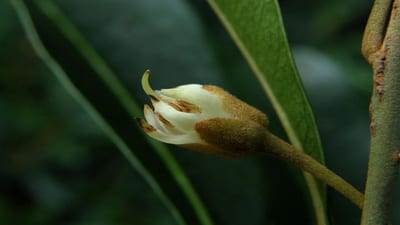
Isonandra lanceolata is a plant native to Sri Lanka belonging to the family Sapotaceae. It is known in Sinhala by several local names, including Kiri warala, Mol pedda, and Kiri hembiliya. The species has no recorded edible parts.
What family does Isonandra lanceolata belong to?
Isonandra lanceolata belongs to the Sapotaceae, a family of flowering plants widely distributed across tropical regions. Members of this family are typically trees or shrubs, often producing latex and bearing simple, leathery leaves. Many Sapotaceae species are valued for timber, latex, or fruit, though not every species within the family has a known practical use.
Where does Isonandra lanceolata grow?
Isonandra lanceolata is native to Sri Lanka, meaning it occurs naturally within the island as part of its indigenous flora.
What is Isonandra lanceolata called in Sinhala?
In Sinhala, the species is known by more than one local name. It is recorded as Kiri warala, as well as Mol pedda and Kiri hembiliya. These names reflect the plant's place within the traditional vocabulary used to describe Sri Lanka's native vegetation, discussed further on the Nature page.
Are any parts of Isonandra lanceolata edible?
No edible parts are recorded for this species. It should not be regarded as a food plant.
| Attribute | Detail |
|---|---|
| Scientific name | Isonandra lanceolata |
| Family | Sapotaceae |
| Sinhala / local names | Kiri warala, Mol pedda, Kiri hembiliya |
| Status in Sri Lanka | Native |
| Edible parts | None |
Other species in this genus
1 more, sharing the same genus.