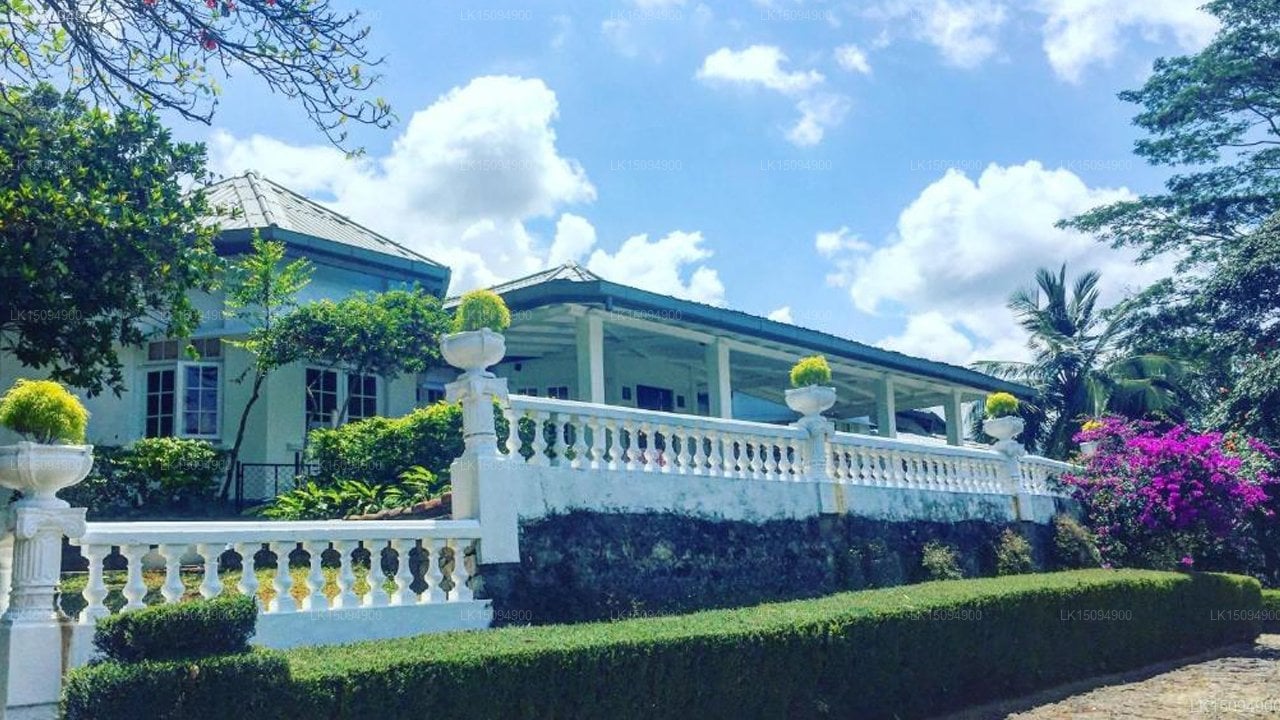
Houpe Estate sits among the mist-covered ridges of Sri Lanka's Central Province, where altitude, cool temperatures, and mineral-rich soils combine to produce some of the island's finest high-grown Ceylon tea. The estate is part of a long tradition of tea cultivation that transformed the hill country in the nineteenth century and has defined Sri Lanka's agricultural identity ever since. A visit here offers something beyond a scenic detour — it is a direct encounter with the craft behind one of the world's most traded commodities.
What makes Houpe Estate tea different from lowland varieties?
Elevation is the defining factor. Houpe Estate grows tea at high altitude, where slower leaf growth concentrates the compounds that give Ceylon tea its characteristic brightness, brisk finish, and aromatic lift. The cool nights slow oxidation on the bush, encouraging the development of complex flavors that lowland gardens, with their warmer, faster-growing conditions, rarely replicate. The resulting liquor is typically light amber in color, clean on the palate, and lively in aroma — qualities that have made high-grown Ceylon tea a benchmark for quality buyers at Colombo's tea auctions.
The estate's microclimate also plays a role. Morning mist clings to the slopes well into mid-morning, providing natural humidity. By afternoon, sunlight burns through and triggers photosynthesis during the optimal part of the growing cycle. This rhythm, repeated day after day across the seasons, produces leaf with consistent character.
What can visitors experience at Houpe Estate?
Guided tours give visitors a structured introduction to the full cycle of tea production, from field to finished product. The typical visit covers several distinct stages:
- Tea field walk: Guides lead small groups through the planted rows, explaining how skilled pluckers identify the correct two-leaves-and-a-bud standard that defines quality orthodox production.
- Plucking demonstration: Visitors can observe — and usually try — the rhythmic hand movement used to harvest leaf without bruising it. Speed and selectivity both matter; experienced pluckers maintain a pace that would surprise most visitors.
- Factory visit: The onsite factory processes freshly harvested leaf through withering, rolling, oxidation, and drying. Each stage is visible, and guides explain how variations in temperature or timing alter the final character of the tea.
- Tasting session: The tour typically concludes with a cupping of the estate's own tea, served black to allow the liquor's natural qualities to speak for themselves.
Beyond the structured tour, the surrounding landscape rewards unhurried exploration. Rolling hills planted in geometric rows of tea bushes, framed by forest breaks and occasional waterfalls, create the kind of scenery that defines the hill-country experience in Sri Lanka.
Where is Houpe Estate, and how do I get there from Colombo?
Houpe Estate is located in the Central Province, in the broader hill-country belt that includes Nuwara Eliya and Hatton. The most practical approach from Colombo is by road, taking the A7 highway through Kandy and continuing into the highlands. The drive from Colombo typically takes around four to five hours depending on traffic through Kandy and the winding gradient roads of the upper hills. The scenic train route between Colombo and Nuwara Eliya — one of the most photographed rail journeys in South Asia — is a worthwhile alternative if time allows, with the nearest stations at Nanu Oya or Hatton.
Private transfers arranged in advance are the most comfortable option for reaching the estate, since public buses serve the region but do not always stop conveniently close to individual estates. Many travelers combine Houpe Estate with a broader hill-country circuit that includes Horton Plains National Park or the town of Ella, both accessible within a reasonable driving distance.
When is the best time to visit Houpe Estate?
The hill country has two main dry seasons that correspond to the island's split monsoon patterns. January through April tends to be drier on the western slopes, making it the most popular window for visits. The roads are clearer, the skies more open in the afternoons, and factory operations run at a strong pace. July and August can also be favorable, as the southwest monsoon eases and a drier spell returns to parts of the central hills.
The estate is accessible year-round, however. Even during wetter months, mornings are usually clear enough for a comfortable field walk, and the factory operates continuously to process the harvest. Visitors who arrive during or after rain will find the tea bushes at their most vivid shade of green — a worthwhile trade-off for occasional wet afternoons.
How does Houpe Estate fit into Sri Lanka's broader tea heritage?
Sri Lanka's tea industry traces its origins to the 1860s, when Scottish planter James Taylor established the first commercial tea planting at Loolecondera Estate in Kandy district after a coffee blight devastated the earlier plantation economy. Within decades, the hill country was transformed. Today, Ceylon tea remains one of the country's primary export earners and a product recognized globally for its quality standards and single-origin integrity.
High-grown estates like Houpe contribute to the upper tier of this industry. Tea grown above roughly 1,200 meters qualifies as high-grown under Sri Lanka's Tea Board classification system, and commands premium prices at auction and in specialty retail. The estate also plays a direct role in local employment, with permanent and seasonal workers involved in plucking, factory processing, and estate maintenance — a pattern common across the hill-country tea sector.
Travelers with a deeper interest in the commercial and competitive side of Ceylon tea may find it useful to read about how individual estate teas reach the market, including high-profile auction results such as those recorded for Pettiagalla Estate, which illustrate the premium that single-origin, traceable Ceylon tea can achieve.
What should I know before visiting a Ceylon tea estate?
A few practical notes help ensure the visit goes smoothly:
- Wear comfortable closed shoes. Tea field paths are uneven and can be slippery after rain.
- Dress in layers. Even when Colombo is warm, the hill country can be cool in the morning and after sunset, particularly above 1,500 meters.
- Factory visits involve machinery and moving conveyor belts. Follow guide instructions and stay within marked visitor areas.
- Photography is generally permitted in the fields and during tasting sessions, but confirm with estate staff before photographing factory interiors, where some operations may be restricted.
- Purchasing directly from the estate, where available, supports local producers and often provides access to fresher stock than retail stores carry.
If your hill-country itinerary includes time around Kandy before heading into the highlands, the Kandy city tour offers a grounding introduction to the cultural landscape that surrounds the tea-growing regions.
Nearby places
7 places within about 25 km, nearest first.
- Hellboda Ella Fallsunder 1 km
- Eagle's Viewpointunder 1 km
- Mackwoods Labookellie Tea Factoryunder 1 km
- Single Tree Hill2 km
- Caves3 km
- Glenugie Tea Estate3 km
- Tea Estates3 km