Perched on a hillside overlooking the Mahaweli River valley, Hindagala Rajamaha Viharaya is one of the Kandy district's quieter yet historically significant cave temples. Located roughly 1.5 km off the Peradeniya–Galaha Road from the Peradeniya University junction, it sits within the Kandukarapahala Korale of the Udapalatha Divisional Secretariat area. Despite its modest profile among visitors, the site preserves rock inscriptions and mural paintings that place it among Sri Lanka's earliest datable Buddhist monuments.
What is the history of Hindagala Rajamaha Viharaya?
The temple's documented history stretches back to at least the 6th century AD, when an inscription at the site records the construction of a Bodhigara — a shrine house built around a sacred Bodhi tree. A second, partially fragmented inscription at the site has been dated to the 7th century on palaeographical grounds and contains the phrase Vataka-Vahara, believed to be the monastery's ancient name.
Eminent epigraphist Professor Senarath Paranavithana proposed that the name "Hindagala" is a phonetic derivative of Indasala or Hindasala — the Indrasala Cave in the ancient Indian region of Magadhadesa, which features prominently in Buddhist literature. This etymology is directly tied to the iconography found inside the cave shrine.
A second major phase of development occurred during the Kandyan period, around the 14th century AD, when the monastery was renovated and expanded, a pattern common to many rock cave temples in the hill country that were revived under Kandyan patronage.
What paintings and artworks can be seen at Hindagala?
The most remarkable feature of the cave shrine is a set of ancient paintings positioned above the main rock face, which scholars have dated stylistically to the 7th century. Their age and condition make them an unusually early example of Sri Lankan Buddhist mural art outside of the well-known sites of the Anuradhapura and Polonnaruwa periods.
One painting depicts the Buddha residing at the Indrasala Cave in Magadhadesa, being visited by the god Indra (known in Pali texts as Sakra). In the scene, Indra poses a series of philosophical questions and the Buddha answers them. This episode is drawn directly from the Sakkapañha Sutta of the Dīgha Nikāya — one of the most theologically rich discourses in the Pali Canon. The deliberate choice of this subject for the cave's decoration, combined with the proposed Indasala etymology of the temple's name, suggests the site was conceived from an early date as a symbolic re-creation of that sacred cave.
Later Kandyan-period paintings also exist within the shrine, layered over and alongside the earlier works, offering visitors a visual record of two distinct artistic traditions in one compact space.
How do I get to Hindagala Rajamaha Viharaya from Kandy?
The temple is accessible from Kandy city by taking the Peradeniya Road to the Peradeniya University roundabout, then continuing onto the Peradeniya–Galaha Road. The temple turn-off is approximately 1.5 km along this road. The final approach involves a short climb up the hillside, so comfortable footwear is advisable. The journey from central Kandy typically takes around 20–30 minutes by road depending on traffic.
When is the best time to visit Hindagala?
The temple is open to visitors throughout the year. As with most Buddhist shrines in Sri Lanka, early mornings tend to be quieter and cooler, making that the preferred time for an unhurried visit. During major Buddhist observances such as Poya (full moon) days, the site sees increased activity from local devotees, which can add cultural texture to a visit but may reduce access to certain shrine rooms.
The dry-season months of January to March and June to September generally offer easier travel conditions for reaching the temple, as the hillside path can become slippery during heavy monsoon rains.
What should visitors know before going?
- Remove footwear before entering the shrine area — this is a functioning place of worship, not a museum.
- Dress modestly: shoulders and knees should be covered. Sarongs are sometimes available at the entrance for a small donation.
- Photography of the ancient paintings may be restricted or subject to the permission of the temple custodians. Always check before photographing.
- The site is small and can be visited comfortably in under an hour, making it a natural addition to a day that also includes Peradeniya Botanical Gardens or the Degaldoruwa cave temple nearby.
How does Hindagala fit into a wider Kandy heritage itinerary?
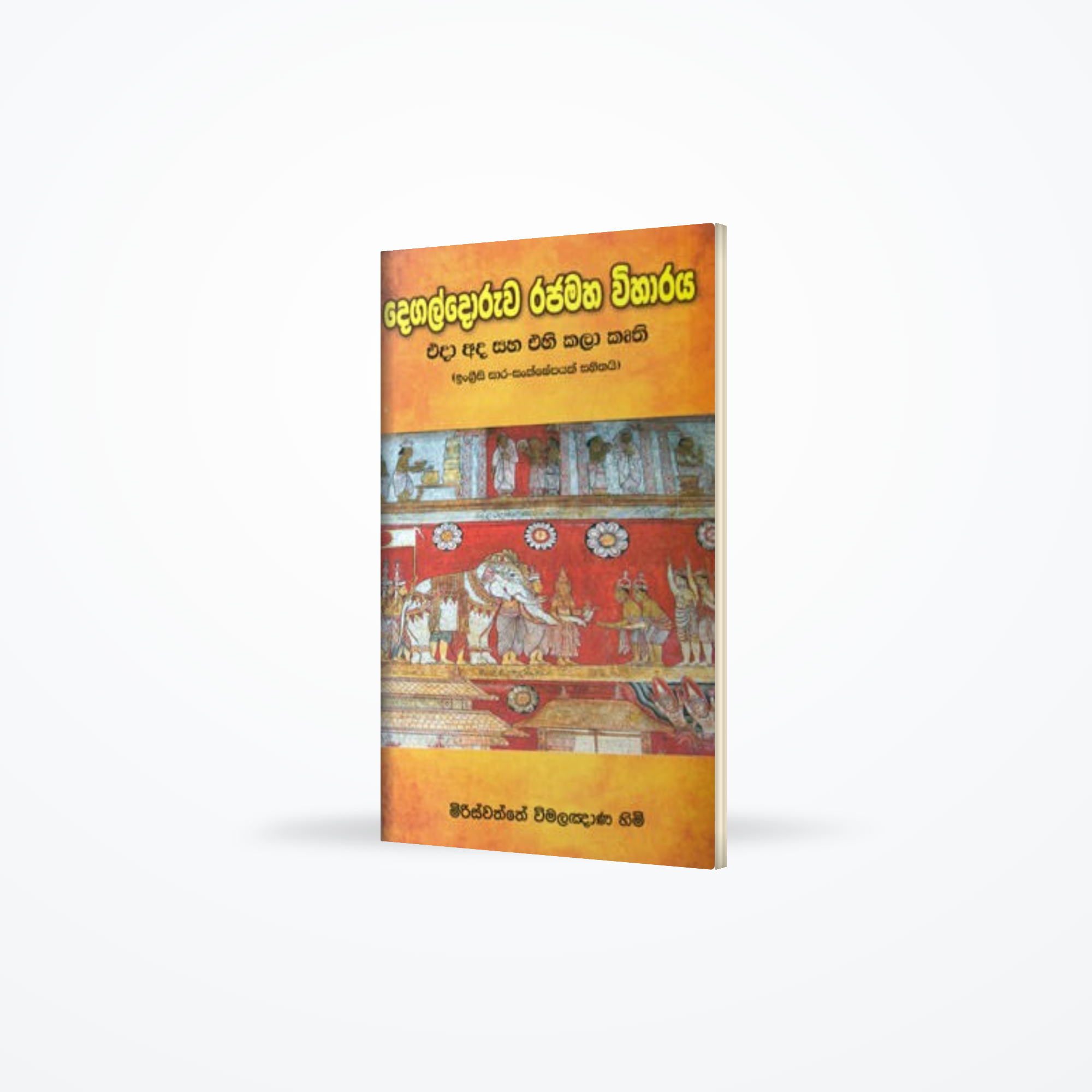
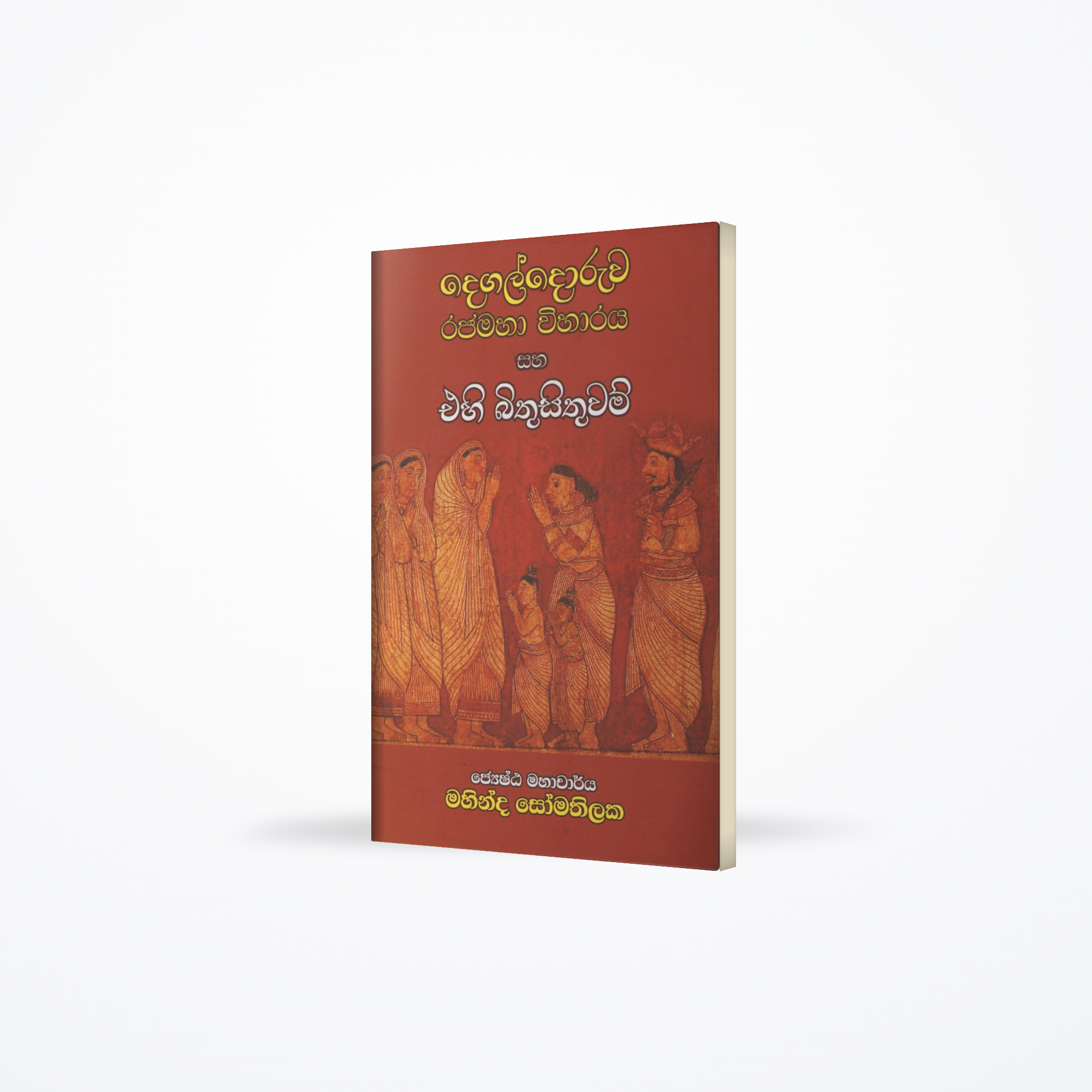
The Kandy district holds an unusually dense concentration of cave temples, many of which share similar histories of early inscription, Kandyan-period renovation, and richly layered mural traditions. Hindagala pairs naturally with sites such as Degaldoruwa Rajamaha Viharaya, located on the opposite bank of the Mahaweli River, which preserves an exceptional cycle of 18th-century Kandyan paintings. Together, these temples illustrate the full arc of Sri Lankan Buddhist cave-shrine art from the early medieval period through to the late Kandyan kingdom.
For travellers with a deeper interest in Sri Lanka's Buddhist heritage, the Central Province offers a remarkable range of such sites within a short driving radius of Kandy — from well-known landmarks to quiet hillside shrines like Hindagala that reward a slower pace of travel.
Nearby places
12 places within about 25 km, nearest first.
- Sarasavi Uyanaunder 1 km
- Botanical Gardensunder 1 km
- Peradeniya Cityunder 1 km
- Commonwealth War Cemeteryunder 1 km
- Sarasavi Uyana Cityunder 1 km
- Peradeniya Railway Stationunder 1 km
- Sarasaviuyana railway stationunder 1 km
- Peradeniya Royal Botanical Gardenunder 1 km
- peradeniya university1 km
- Koshinna Railway Station1 km
- Hanthana International Bird Park & Recreation Center3 km
- Hanthana Mountain Range3 km