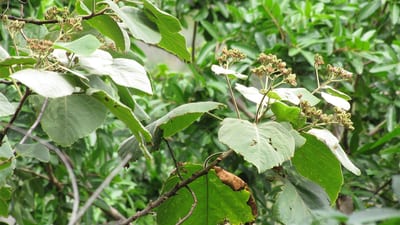
Hibiscus vitifolius is a flowering plant native to Sri Lanka, known locally as Maha epala. It belongs to the mallow family, Malvaceae, a group that includes many well-known ornamentals and crop plants found across the island's nature and flora.
What does Hibiscus vitifolius look like?
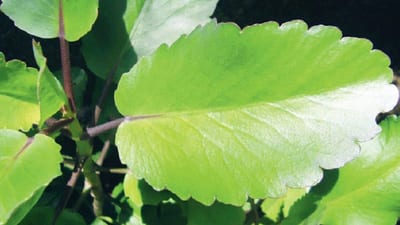
As a member of the Malvaceae family, Hibiscus vitifolius shares the broad family traits typical of hibiscus species: lobed leaves, a woody or semi-woody habit, and the characteristic five-petalled flowers with a prominent central staminal column that is a hallmark of the genus Hibiscus. The species name "vitifolius" refers to leaves resembling those of the grapevine (genus Vitis), a nod to the plant's lobed, vine-like foliage.
Where does Hibiscus vitifolius grow?
Hibiscus vitifolius is recorded as native to Sri Lanka. The genus Hibiscus as a whole has a broad native range across the tropics and subtropics worldwide, and many species in the family are well adapted to warm, sunny conditions.
Is Hibiscus vitifolius edible?
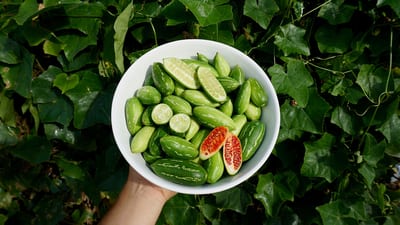
No edible parts are recorded for this species. It should not be treated as a food plant, and no part of it should be eaten.
What is it called in Sinhala?
In Sinhala, Hibiscus vitifolius is known as Maha epala. This local name is the one recorded for the species in Lakpura's indigenous plants register.
| Attribute | Recorded detail |
|---|---|
| Scientific name | Hibiscus vitifolius |
| Family | Malvaceae |
| Sinhala / local name | Maha epala |
| Status in Sri Lanka | Native |
| Edible parts | None |
Other species in this genus
4 more, sharing the same genus.