

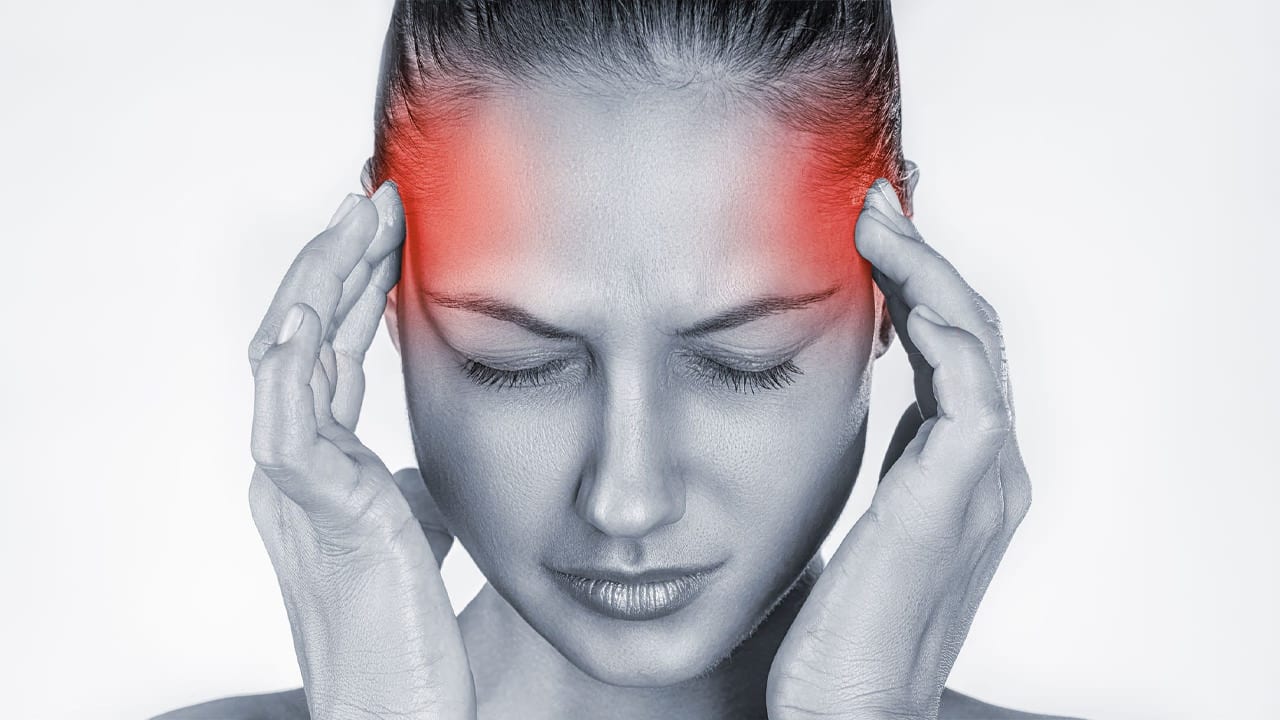
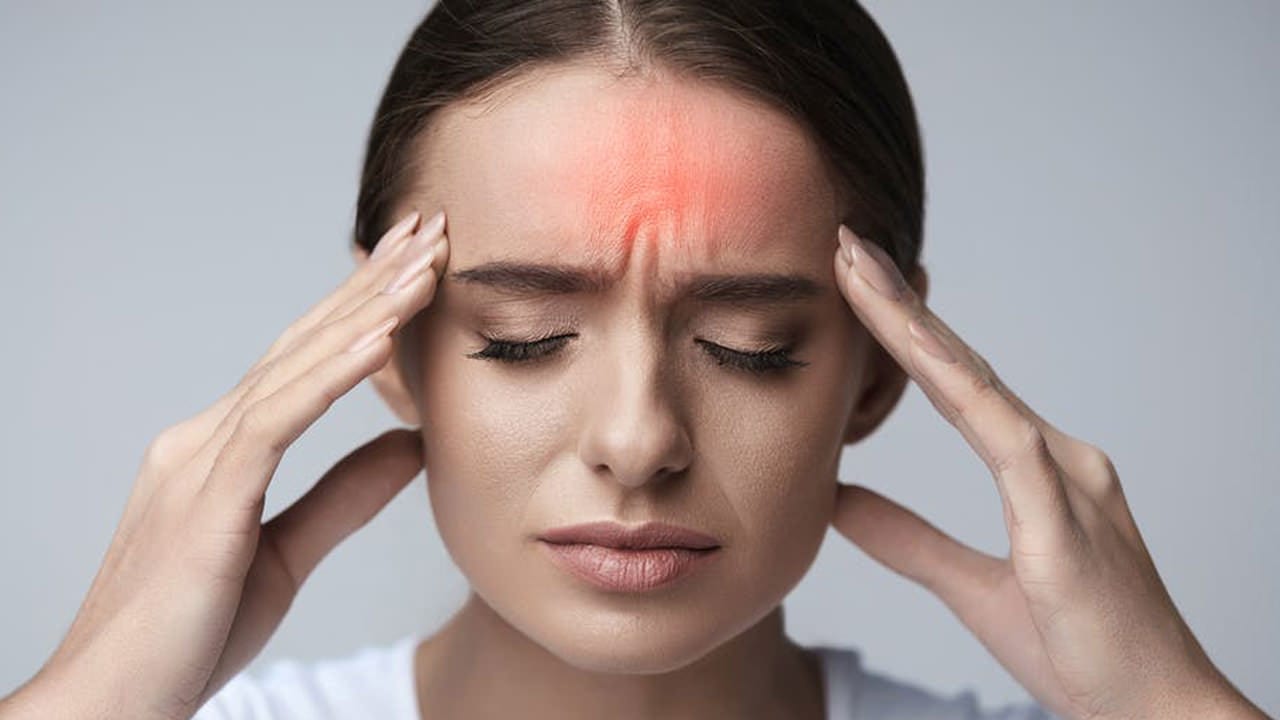


Headaches are among the most common physical complaints experienced by people worldwide. Defined as pain in the head, face, or neck, they range from mild, short-lived discomfort to severe, recurring conditions that interfere with daily life. Understanding what type of headache you are dealing with is the first step toward effective relief.
What are the main types of headaches?
The International Headache Society classifies more than 150 distinct headache types, but most fall into two broad categories: primary and secondary headaches.
- Primary headaches — conditions in their own right, not caused by an underlying disease. The three most common are tension-type headaches, migraines, and cluster headaches.
- Secondary headaches — symptoms of another condition, such as sinusitis, high blood pressure, infection, or head injury.
Tension-type headaches are the most prevalent, typically producing a dull, pressing sensation around the forehead or the back of the head. Migraines are more intense, often affecting one side of the head, and may be accompanied by nausea, light sensitivity, or visual disturbances. Cluster headaches are less common but extremely painful, occurring in cyclical patterns or "clusters" around one eye or temple.
What causes headaches?
Headache triggers are wide-ranging. Common causes include:
- Dehydration — one of the most frequently overlooked triggers, especially in warm climates
- Fatigue and sleep deprivation
- Stress and muscle tension, particularly in the neck and shoulders
- Overuse of pain medication (rebound headaches)
- Viral infections and the common cold
- Sinus congestion or sinusitis
- Dental problems, including jaw tension (temporomandibular disorders)
- Rapid ingestion of very cold food or drink — the short-lived "brain freeze" effect
- Loud or prolonged noise exposure
- Alcohol and certain recreational substances, including withdrawal effects
People who experience severe or frequent headaches also face a statistically increased risk of developing depression, which makes early management important rather than simply tolerating the discomfort.
How are headaches treated?
Treatment depends on the underlying cause and the type of headache involved. For many people, over-the-counter analgesics provide adequate relief for occasional tension headaches. Migraines may require prescription medications, including triptans, which target the specific neurological mechanisms involved. Cluster headaches are typically managed under specialist care.
Non-pharmacological approaches are also well-supported by evidence and are worth trying alongside medication:
- Staying well hydrated — drinking water at the first sign of head pain often reduces severity
- Rest in a quiet, darkened room during a migraine episode
- Cold or warm compresses applied to the forehead or neck
- Gentle neck and shoulder stretching to relieve tension
- Regular sleep patterns and stress-management practices such as yoga or meditation
If headaches are frequent, worsening, or accompanied by fever, confusion, stiff neck, or sudden onset of severe pain, medical evaluation is essential, as these may signal a more serious underlying condition.
What traditional remedies are used in Ayurveda for headaches?
Ayurvedic medicine, which has deep roots across South Asia including Sri Lanka, offers several approaches to managing recurring headaches. Herbal formulations such as Yogaraja Guggulu and Kaishore Guggulu have traditionally been used to address inflammation and pain within the Ayurvedic system, though they are typically prescribed as part of a broader treatment plan by a qualified Ayurvedic practitioner.
Spices commonly used in Sri Lankan cooking also appear in traditional headache remedies. Ceylon black pepper and clove (Syzygium aromaticum) have been applied topically in paste form to the temples in folk practice. These should be used with care and are not substitutes for medical advice.
Yoga and meditation retreats available across Sri Lanka — particularly in the hill country and around wellness centres — increasingly incorporate headache-management protocols as part of broader stress-reduction programmes. Yoga tours organised through experienced local operators can be a useful complement for travellers prone to tension headaches.
Can travel trigger headaches?
Travellers are particularly susceptible to certain headache triggers. Long-haul flights, time-zone changes, and disrupted sleep schedules commonly contribute to tension headaches in the first days of a trip. In a tropical destination like Sri Lanka, sudden heat and humidity — especially for visitors arriving from cooler climates — combined with higher-than-usual activity levels can lead to dehydration headaches.
Practical steps to reduce travel-related head pain include:
- Drinking water consistently throughout the day, rather than waiting until thirsty
- Avoiding excessive caffeine or alcohol on arrival days
- Wearing a hat and seeking shade during the midday hours
- Maintaining a consistent sleep schedule from your first night
- Carrying a basic analgesic in your travel kit for acute relief
Altitude change is another consideration. Sri Lanka's central highlands — including areas around Horton Plains National Park — sit well above sea level, and some visitors notice mild headaches on arrival at higher elevations. These typically resolve within a day as the body adjusts.
When should I see a doctor about headaches?
Most headaches are benign and self-limiting, but certain warning signs require prompt medical attention. Seek care without delay if a headache is the worst you have ever experienced, comes on suddenly and severely, follows a head injury, or is accompanied by fever, stiff neck, confusion, vision changes, or weakness on one side of the body. These may indicate conditions such as meningitis, stroke, or intracranial bleeding that require emergency treatment.
Recurring headaches that occur more than two or three times a week, or that consistently require pain medication to manage, are worth discussing with a physician. Overuse of analgesics — more than ten days per month — can itself cause a cycle of rebound headaches that is difficult to break without medical guidance.
