Long before automated rollers and conveyor dryers became the norm across Sri Lanka's hill-country factories, tea was made entirely by hand. That tradition has not disappeared. A small but dedicated community of artisan producers continues to hand-pluck, hand-roll, and carefully oxidise small batches of tea — work that is slow by design and impossible to fully replicate by machine. The result is a category of tea that connoisseurs seek out for its individuality, complexity, and direct connection to the landscape it came from.
What makes a tea genuinely "handmade"?
The term is not regulated in the same way that, say, a wine appellation is — so it pays to understand the process. Authentic handmade tea involves three core manual stages:
- Hand-plucking. Workers select only the finest tender shoots, typically the terminal bud and the two leaves immediately below it. This selective harvest, known as fine plucking, produces far less leaf per hectare than coarser machine picking but concentrates flavour compounds in the raw material.
- Hand-rolling. Instead of passing withered leaf through mechanical rolling tables, the artisan rolls small quantities in the palms of the hands or against a flat surface. This gentle pressure twists the leaf without tearing the cell walls excessively, preserving volatile aromatic compounds and giving each tea a distinctive, irregular appearance.
- Monitored oxidation and drying. Rather than timed machine cycles, the maker watches the leaf change colour, assesses the developing aroma by smell, and judges when to arrest oxidation. Small charcoal or wood-fired drying setups are sometimes used, adding subtle terroir notes that an industrial dryer cannot impart.
The absence of any one of these manual steps typically moves a tea into the artisan-influenced rather than fully handmade category — a distinction worth clarifying when buying.
How does region shape the flavour of handmade tea?
Sri Lanka's elevation map essentially doubles as a flavour guide. The island's tea-growing districts are traditionally grouped into three altitude bands, and handmade producers in each zone work with distinctly different raw material.
| Growing Region | Altitude Range | Typical Flavour Profile |
|---|---|---|
| Nuwara Eliya | Above 1,800 m | Delicate, floral, with a pale golden liquor and light astringency |
| Dimbula / Dickoya | 1,100–1,800 m | Medium-bodied, brisk, with notes of citrus peel and fresh grass |
| Uva (Ella / Badulla) | 900–1,500 m | Distinctively spicy, dry-weather character; prized for blending |
| Ruhuna (Ratnapura / Matara) | Below 600 m | Bold, malty, dark liquor with earthy depth |
The cool mists and acid soils of Nuwara Eliya produce handmade teas that are arguably the most delicate on the island — a style often compared to fine Darjeeling first-flush. The low-grown estates of Ruhuna move in the opposite direction: full-bodied cups that hold up well to milk and spice. Ella, a town that sits at the meeting point of the Uva and Southern provinces, has become an accessible base for visitors wanting to explore tea culture in a single destination — the Ella area hosts several small producers who welcome tastings.
What types of handmade tea are produced in Sri Lanka?
Most people associate Sri Lanka with black tea, and the majority of handmade production does follow the fully oxidised black-tea process. However, growing demand from specialty buyers has encouraged estates to experiment with other styles using the same manual techniques.
- Handmade black tea. The foundation of the category. Grades such as PEKOE, BOP (Broken Orange Pekoe), and FBOP are defined by leaf size and style. Single-estate handmade versions of these grades carry provenance information on the label — estate name, elevation, and sometimes the flush (seasonal harvest).
- Handmade white tea. Produced from the youngest, most tender buds with minimal processing — essentially hand-plucked and air-dried. White tea styles such as Silver Tips and Gold Tips are made almost exclusively by hand because the leaf is too delicate for machine handling. These are among the most expensive teas produced in Sri Lanka.
- Handmade green tea. Less common but growing in production. The oxidation is arrested quickly after plucking by gentle heat, preserving chlorophyll and producing a lighter, grassier cup. Sri Lankan Ceylon green tea from handmade batches is beginning to attract attention in East Asian specialty markets.
- Handmade oolong. A very small but emerging category where partial oxidation is stopped at an intermediate stage. Skill-intensive even in machine-assisted factories, oolong made entirely by hand represents some of the most technically demanding work in Sri Lankan tea.
How is handmade tea different from standard Ceylon tea?
Standard Ceylon tea is produced at scale in factories using mechanical rollers, continuous-flow fermentation troughs, and hot-air tunnel dryers. These machines are consistent, efficient, and necessary for the volumes that Sri Lanka exports annually. What they cannot do is respond to the individual leaf — a skilled hand-roller can feel when a shoot is too fragile to twist tightly, adjust pressure mid-roll, or set aside a damaged bud that a machine would simply process.
The practical results of this attention show up in the cup in several ways: a wider range of shapes and sizes within a single batch (reflecting natural leaf variation rather than mechanical standardisation), more complex aromatic profiles, and a finish that tends to linger longer. Whether these differences justify the premium price is ultimately a matter of personal preference, but for tea drinkers who have experienced both, the contrast is usually apparent.
Where can visitors see handmade tea being produced?
Most large factory tours in the hill country show the industrial process rather than artisan production. For handmade tea specifically, visitors tend to have better luck at smaller family-run or boutique estate operations that produce limited quantities for specialty export. The Bluefield Tea Gardens near Hatton is one of the more visitor-friendly estates where the full tea-making process, including hand work, can be observed.
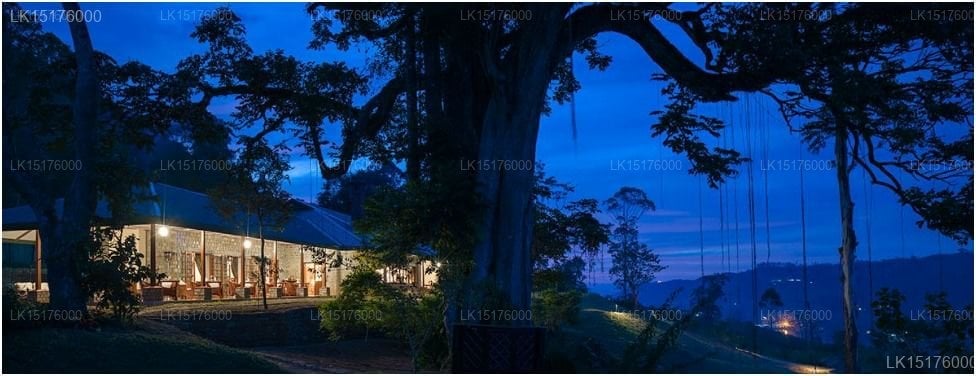
The Nuwara Eliya district — Sri Lanka's highest and coolest tea-growing zone — is the natural hub for travellers interested in premium artisan production. Staying at a converted tea estate bungalow and arranging an early-morning plucking walk gives a much fuller picture of the craft than a standard factory visit.
How should handmade tea be brewed?
Handmade teas, particularly white and lightly oxidised styles, are more sensitive to water temperature than standard black teas. A few general guidelines:
- Handmade black tea: Water at or just below boiling (around 95 °C), steeped for 3–4 minutes. Use a pre-warmed teapot and avoid over-steeping, which emphasises bitterness rather than complexity.
- Handmade white tea (Silver Tips / Gold Tips): Water at around 75–80 °C, steeped for 2–3 minutes. These teas are rarely improved by milk and are best appreciated plain.
- Handmade green tea: Water at 70–75 °C, steeped for no more than 2 minutes to avoid grassy bitterness.
Loose-leaf brewing in a clay or ceramic pot is preferred over paper bags, which can mask the finer aromatic notes that make handmade tea worth its price.
What is the cultural significance of handmade tea in Sri Lanka?
Tea arrived in Sri Lanka in the mid-19th century following the collapse of coffee cultivation due to leaf rust disease. Within decades it had reshaped the island's economy, its hill-country landscape, and the lives of hundreds of thousands of estate workers and their descendants. The handmade tradition predates factory mechanisation and preserves methods that were once universal across all Sri Lankan production.
For many estate families, producing handmade tea is an act of continuity as much as commerce — a way of maintaining skills that would otherwise be lost to industrialisation. Visitors who buy directly from small producers or attend a tour of the Kandy region that includes estate visits are participating in the preservation of that continuity, not merely consuming a luxury product.