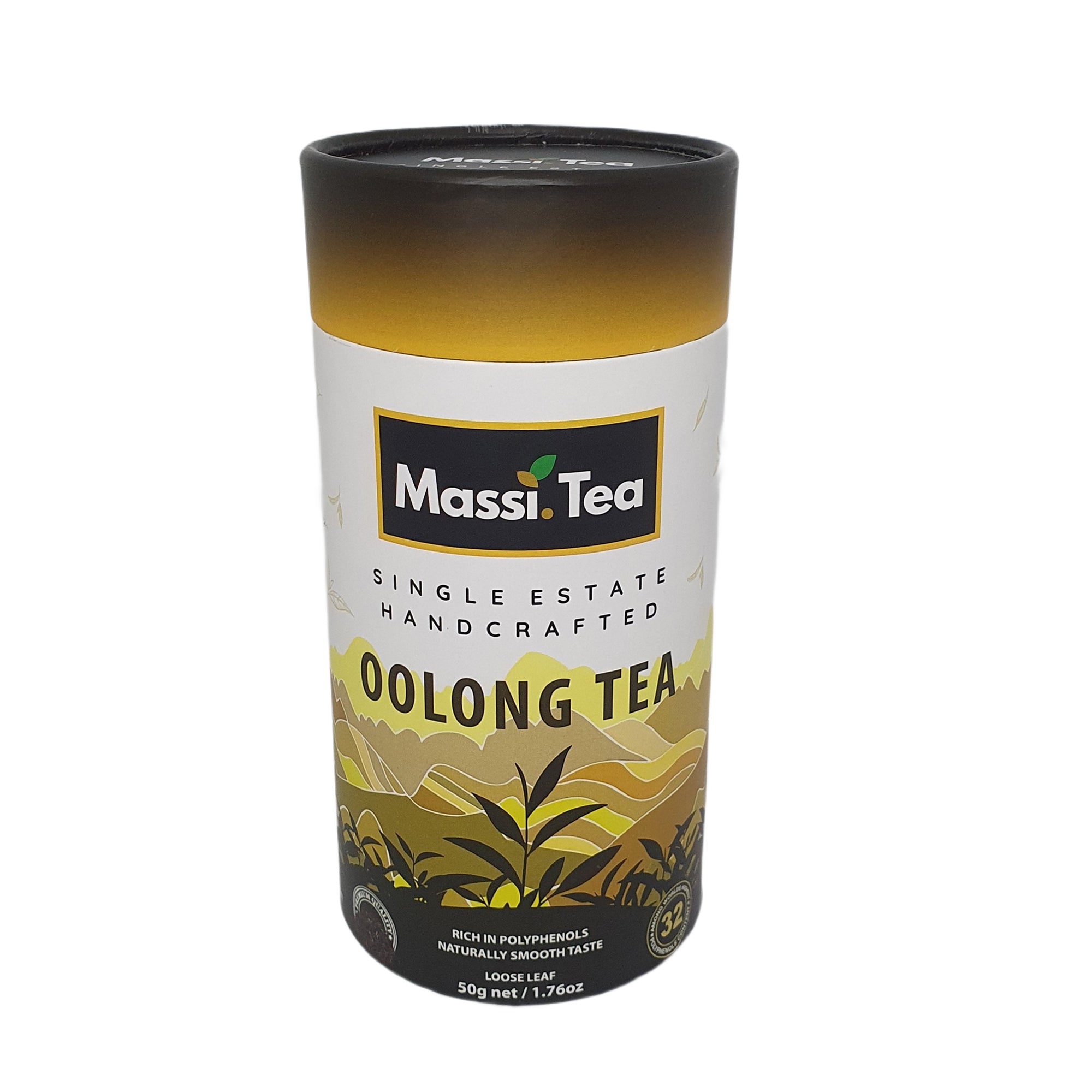
Among the many things Sri Lanka produces exceptionally well, handcrafted tea occupies a category of its own. While the island's commercial tea industry moves millions of kilograms through auction each year, a small and quietly growing community of artisan producers works by hand — plucking, rolling, and drying leaf in ways that have more in common with craft than manufacturing. The result is a cup that tastes unmistakably different: complex, layered, and traceable to a single garden, altitude, and flush.
What makes Ceylon handcrafted tea different from standard Ceylon tea?
Ceylon tea produced through conventional CTC (cut-tear-curl) or orthodox factory methods is consistent and scalable by design. Handcrafted tea is neither — and that is precisely the point. Each batch is processed without machinery: leaves are sorted by hand, rolled by hand (sometimes over heat), and dried in small quantities under controlled conditions. Because no two days of weather, soil moisture, or leaf maturity are identical, no two batches are perfectly alike either. This variability is considered a feature, not a flaw, among serious tea drinkers.
Most Ceylon handcrafted teas fall within the wild or semi-wild tea category. The bushes are grown organically — without synthetic pesticide or fertiliser — at elevations that slow leaf growth, concentrating the natural compounds responsible for aroma and flavour. Only the most tender growth, typically the bud and first two leaves, is hand-plucked. This selectivity means yields are low, which in turn keeps production volumes small and prices proportionally higher than factory-grade teas.
Where is handcrafted tea produced in Sri Lanka?
The artisan tea movement is concentrated in Sri Lanka's central highlands, particularly in the Uva, Nuwara Eliya, and Kandy districts, where the combination of altitude, mist, and diurnal temperature variation creates the flavour profiles that connoisseurs seek. Smaller clusters of handcrafted production also exist in Sabaragamuwa and parts of the Southern Province, often connected to organic farming initiatives.
Many of these producers operate on a very small scale — a few hectares managed by a farming family rather than a plantation. Some of the tea bushes used are old-stock varieties that predate modern hybrid cultivars, lending the leaf a genetic complexity that is genuinely rare. The Ella region and the broader hill country around Horton Plains are particularly associated with high-grown artisan production.
What types of handcrafted tea are produced in Sri Lanka?
Because processing is done by hand, artisan producers have the flexibility to make styles that a conventional factory would find impractical. The main categories you will encounter include:
- Hand-rolled black tea — fully oxidised, typically producing a malty, full-bodied cup with a long finish. Uva-grown versions are prized for their characteristic menthol-like quality.
- Handcrafted green tea — minimal oxidation, with grassy, vegetal, or sometimes floral notes depending on the cultivar and elevation. Ceylon green tea is far less widely known than its Chinese or Japanese counterparts but is gaining recognition among specialists.
- Oolong — partially oxidised and among the most technically demanding styles to produce by hand. Sri Lankan handcrafted oolongs are a recent development but already attract attention internationally.
- Bud teas and silver tips — composed entirely of unopened buds, these are the most labour-intensive of all, sometimes requiring hundreds of buds per 25-gram pack. Their flavour is delicate, often floral, with very low tannin.
- Specialty rolled forms — some producers shape the leaf into pearls, spirals, or flat cakes, drawing on pan-Asian traditions adapted to Ceylon terroir.
How is handcrafted tea made? A step-by-step overview
- Hand plucking — pickers select specific growth stages, often the terminal bud and first two leaves ("two-and-a-bud"), carrying harvested leaf in cloth or bamboo baskets to avoid bruising.
- Withering — freshly plucked leaf is spread thinly indoors for several hours to reduce moisture content and make the leaf pliable. Natural air circulation is preferred over forced fans.
- Rolling — the most distinctive step. The artisan rolls small quantities of leaf between the palms or against a flat surface, rupturing cells and initiating oxidation. The degree of pressure and duration determines the final style.
- Oxidation (for black and oolong) — rolled leaf rests in a cool, humid environment. For black tea, oxidation runs to completion; for oolong, the process is interrupted at a defined point; for green tea, oxidation is stopped immediately by heat.
- Firing or drying — leaf is dried over low heat to arrest any remaining enzymatic activity and reduce moisture to safe storage levels. Some producers use wood-fired chambers; others use electric dryers at carefully controlled temperatures.
- Sorting and grading — finished leaf is hand-sorted to remove any stalk or poorly formed material before packing.
How do artisan tea producers support rural communities?
The handcrafted tea sector was developed with explicit social objectives alongside commercial ones. By enabling smallholder farmers to add value to their own leaf — rather than selling it to a central factory at a fixed green-leaf price — artisan production gives growers a larger share of the final retail price. This income supplement is particularly significant in highland communities where alternative livelihoods are limited.
Several small factories that specialise in handcrafted tea now invite visitors to observe or participate in the production process. These visits give travellers a direct connection to where and how their tea is made, and the income from agri-tourism complements what farmers earn from the leaf itself. Operations such as Bluefield Tea Gardens offer accessible demonstrations of how highland tea is grown and processed.
What should I look for when buying Ceylon handcrafted tea?
Provenance and transparency matter more than packaging. Look for teas that name a specific estate, district, or at minimum the elevation band at which the leaf was grown. Single-estate teas are more traceable and usually more consistent within a producer's range than blended artisan products.
Organic certification is common in this segment, but not universal — some smallholders farm without synthetic inputs yet lack the resources to pursue formal certification. A direct relationship with the producer or a specialist retailer who has visited the gardens is therefore more reliable than certification alone as a quality indicator.
Consider the style of tea relative to how you prefer to drink it. Bud teas and silver tips are best appreciated without milk, at water temperatures around 75–80 °C. Hand-rolled black teas from Uva handle milk well and suit a more conventional preparation. Handcrafted oolongs reward gongfu-style brewing with multiple short infusions from the same leaves.
Can I visit a handcrafted tea producer during my time in Sri Lanka?
Several highland producers welcome guests, though visits usually need to be arranged in advance rather than walked in on. Locations near Kandy and in the Uva highlands are the most accessible for visitors following a standard hill-country itinerary. Factory visits typically include a guided explanation of the production steps, a tasting session, and the opportunity to purchase tea directly from the producer — often the freshest and most affordable point of purchase for premium handcrafted leaf.
Related reading
2 pages on closely related subjects.