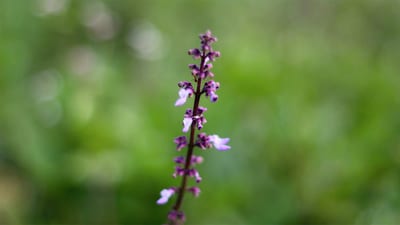
Gynura hispida is a plant endemic to Sri Lanka, belonging to the daisy family, Asteraceae. It is known locally as Ala beth or Cheena ala, and is currently listed as Vulnerable on Sri Lanka's National Conservation Status list. No edible parts are recorded for this species.
What does Gynura hispida look like?
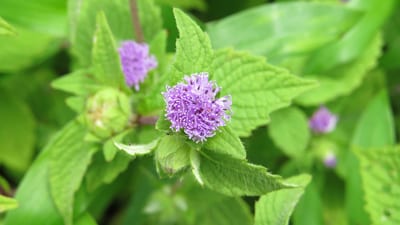
As a member of the Asteraceae, Gynura hispida shares the family's typical traits of composite flower heads made up of many small individual florets. The species name 'hispida' refers to a covering of stiff, bristly hairs on the plant, a feature often used to distinguish it from related Gynura species.
Where does Gynura hispida grow?
This species is endemic, meaning it occurs naturally only in Sri Lanka and is not native to any other country. Endemic status of this kind reflects long periods of isolated evolution within the island's varied habitats and climates.
What is its conservation status?
Gynura hispida is classified as Vulnerable under Sri Lanka's National Conservation Status list, published in 2012. A Vulnerable listing indicates the species faces a real risk of extinction in the wild if current pressures on its habitat continue unchecked.
What is it called in Sinhala?
In Sinhala, the plant is known as Ala beth (අල බේත්), and it is also referred to by the local name Cheena ala (චීන අල). No edible parts of the plant are recorded, and it should not be treated as a food source.
| Attribute | Detail |
|---|---|
| Scientific name | Gynura hispida |
| Family | Asteraceae |
| Sinhala / local name | Ala beth (අල බේත්) / Cheena ala (චීන අල) |
| Status in Sri Lanka | Endemic |
| Conservation status (NCS 2012) | Vulnerable |
| Edible parts | None |