Godagama Railway Station sits on the KV Line (Kelani Valley Line) of Sri Lanka Railways, within the Colombo District of the Western Province. The station is located approximately 30.1 km from Colombo Fort, placing it in the semi-rural fringe south-east of the capital where the Kelani Valley Line begins to leave the urban sprawl behind and follow the Kelani River valley into the hill country.
Where exactly is Godagama Station on the KV Line?
The Kelani Valley Line is one of Sri Lanka's most characterful narrow-gauge routes, winding from Colombo Fort through a string of suburban and semi-rural communities before terminating at Avissawella. Godagama sits between two neighbouring stations: Panagoda in the direction of Colombo Fort, and Meegoda in the direction of Avissawella. Passengers heading toward Colombo board trains on the Panagoda side; those heading deeper into the valley board on the Meegoda side.
The surrounding area is primarily residential, with small-scale agriculture and light industry typical of the Colombo District's outer belt. The station itself serves commuters who travel daily into the capital as well as residents of the wider Godagama locality.
How many trains stop at Godagama each day?
On a typical operating day, around 22 trains call at Godagama Station. Services run across multiple departure windows throughout the day, catering to morning and evening commuter peaks as well as off-peak travellers. Because the KV Line operates on a narrow-gauge track, rolling stock is distinct from the mainline services that serve stations such as Colombo Fort or Galle — carriages are smaller and the pace more relaxed.
Timetables on the KV Line can shift with seasonal adjustments and public holidays. It is advisable to verify current schedules directly through Sri Lanka Railways or at the station before travelling, particularly for early-morning or late-evening services.
What is the KV Line and why does it matter?
The Kelani Valley Line holds a special place in Sri Lanka's railway history. Originally constructed during the British colonial period to serve the rubber and tea estates of the Kelani Valley, it was built to a narrow gauge of 2 ft 6 in (762 mm) — narrower than the main island network — allowing it to negotiate the tighter curves and steeper gradients of the river valley terrain. For enthusiasts of railway heritage, the line offers a living record of Ceylon's colonial-era engineering ambitions.
Today the line functions primarily as a commuter route, though it retains much of its historic character. Wooden-floored carriages, small wayside stations and a landscape that shifts from urban to lush green within a few kilometres make even a short journey on the KV Line a noticeably different experience from a mainline trip.
How do I get to Godagama Station from Colombo?
The most straightforward way to reach Godagama Station is by train from Colombo Fort. Departures on the KV Line leave from a dedicated platform at Colombo Fort Station, and the journey to Godagama takes roughly 45–60 minutes depending on the service and the number of stops. The line passes through a sequence of recognisable suburban stations — including Maradana, Baseline Road, and Padukka Road — before arriving at Godagama.
By road, the station is accessible via the B38 and connecting local roads through the Godagama area. Tuk-tuks and buses serve the surrounding community, though rail remains the most dependable option for avoiding peak-hour congestion on the Colombo–Ratnapura corridor.
What should travellers know before visiting?
- Ticket purchase: Tickets for KV Line services can be bought at the origin station's booking office or, on some services, from the guard on board. The fare structure is set by Sri Lanka Railways and is among the most affordable rail travel options in the country.
- Platform facilities: Godagama is an unstaffed or lightly staffed wayside station. Facilities are basic — a platform, a small shelter, and seating. Travellers requiring luggage assistance or ticketing support should plan ahead at a larger origin station.
- Luggage and crowds: Morning peak services toward Colombo and evening services away from Colombo can be heavily loaded. Travelling slightly before or after peak windows makes for a more comfortable journey.
- Photography: The KV Line and its stations are popular with railway enthusiasts and photographers. Platforms are open to the public before and after train arrivals; please stand clear of the track at all times.
- Connections: Passengers wishing to continue beyond Avissawella into the hill country or southern Sri Lanka will need to connect to mainline services at Colombo Fort or use road transport, as the KV Line does not connect directly to the main island network.
Is Godagama Station suitable as a base for exploring the area?
The Godagama locality sits within easy reach of several points of interest in the outer Colombo District. The Kelani River, which the KV Line shadows for much of its route, offers riverside scenery and is associated with several Buddhist and Hindu sacred sites along its banks. The town of Avissawella — the terminus of the KV Line — is around 40 km further along the line and serves as a gateway to the Sinharaja Forest Reserve and the lower hill country.
For travellers using Colombo as a hub, Godagama Station provides an accessible entry point to this quieter, greener corridor without the need for a private vehicle. The combination of affordable rail travel and the character of the narrow-gauge journey makes the KV Line worth experiencing as a journey in its own right, not merely as a means to an end.
Further reading on Sri Lanka's railway heritage
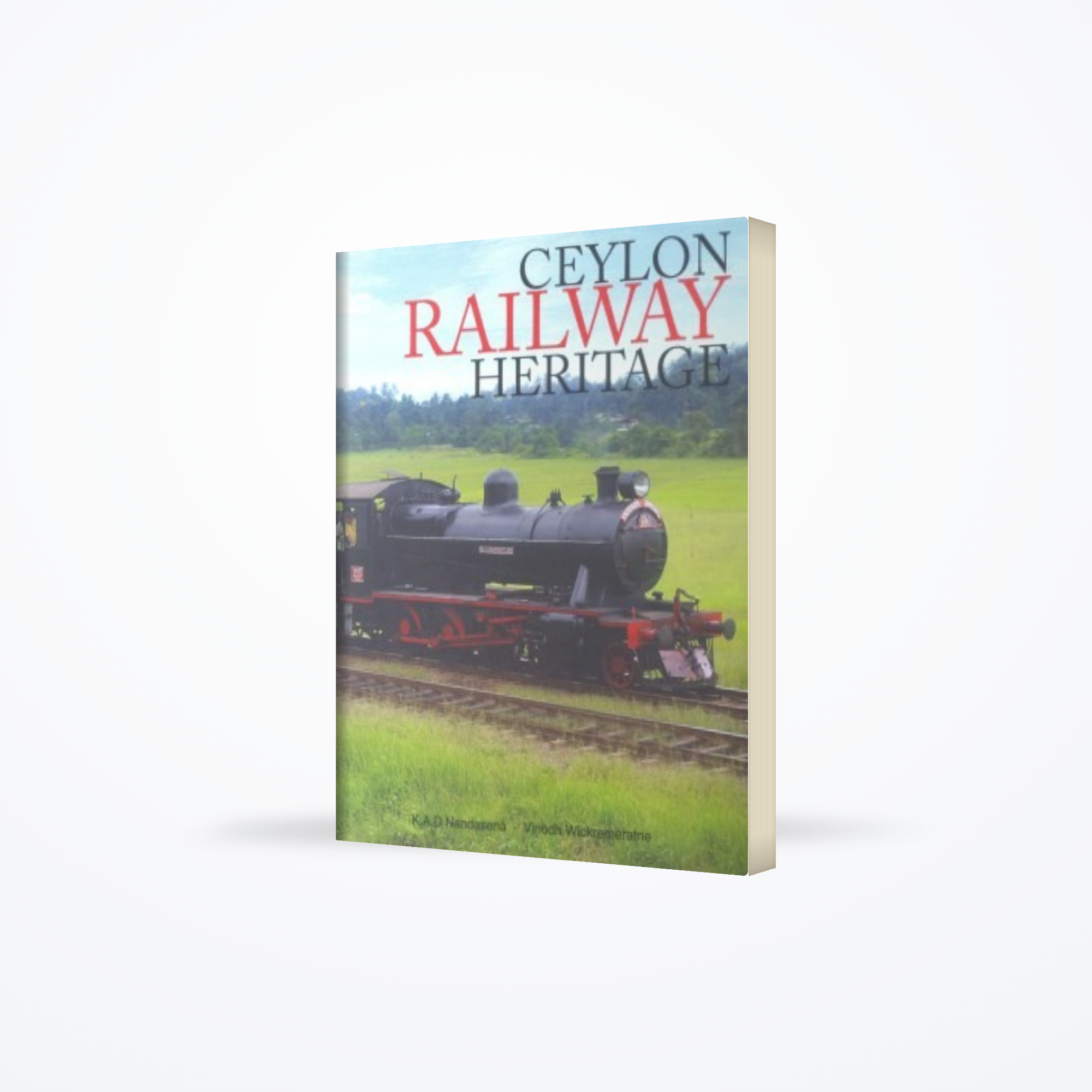
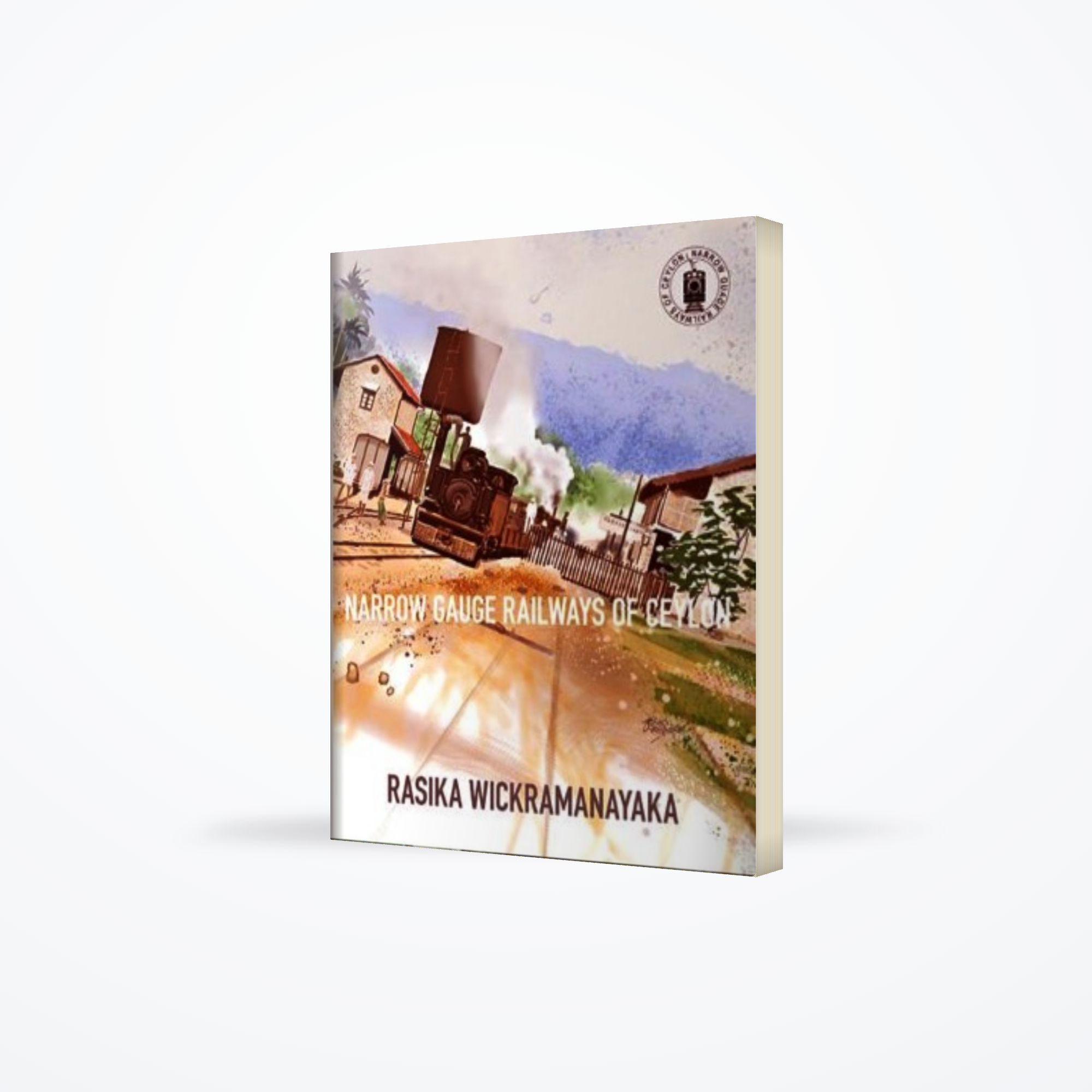
Sri Lanka's railway network was constructed largely between the 1860s and the early twentieth century, and several authoritative titles document its engineering and social history in detail. The Sri Lanka Railways official website maintains current timetable information and network maps for all lines, including the KV Line.
Godagama railway station timetable
22 trains call at Godagama on a typical day.
KV Line · 30.1 km from Colombo Fort · Western Province
| Departs | Towards | Runs |
|---|---|---|
| 05:21 am | Colombo Fort | Daily |
| 05:42 am | Colombo Fort | Weekdays Only |
| 06:02 am | Colombo Fort | Daily |
| 06:34 am | Colombo Fort | Daily |
| 07:47 am | Colombo Fort | Daily |
| 08:43 am | Kosgama | Daily |
| 10:41 am | Maharagama | Daily |
| 02:05 pm | Colombo Fort | Daily |
| 02:13 pm | Kosgama | Daily |
| 03:12 pm | Padukka | Weekdays and Saturday Only |
| 03:52 pm | Colombo Fort | Weekdays Only |
| 03:52 pm | Colombo Fort | Saturday Only |
| 04:38 pm | Homagama | Daily |
| 05:35 pm | Avissawella | Weekdays and Sunday Only |
| 05:46 pm | Avissawella | Saturday Only |
| 06:01 pm | Avissawella | Weekdays and Sunday Only |
| 06:27 pm | Kosgama | Weekdays and Sunday Only |
| 06:51 pm | Avissawella | Daily |
| 07:11 pm | Padukka | Weekdays Only |
| 07:51 pm | Kosgama | Daily |
| 08:36 pm | Padukka | Weekdays Only |
| 09:21 pm | Avissawella | Daily |
Timetable mirrored from published Sri Lanka Railways schedules, last checked 2026-09-14. Times can change without notice — confirm with the railway before travelling. See the whole network on the Sri Lanka railway station list.
Nearby places
12 places within about 25 km, nearest first.
- Wataraka Railway Stationunder 1 km
- Meegoda Railway Station1 km
- Panagoda Railway Station3 km
- Mahinda Rajapaksa International Stadium, Diyagama4 km
- Homagama Railway Station5 km
- Homagama Hospital Railway Station5 km
- Padukka City5 km
- Pannipitiya Railway Station6 km
- Padukka Railway Station7 km
- Padukka Town7 km
- Hanwella City9 km
- Pokunuwita Rajamaha viharaya10 km