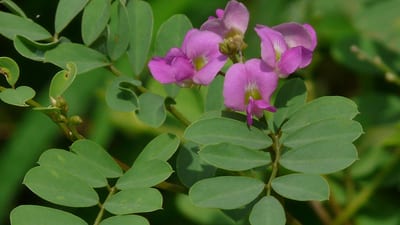
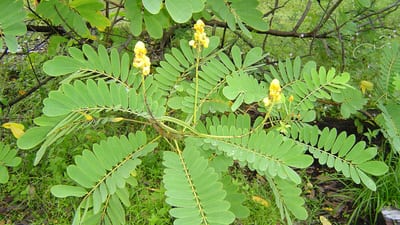
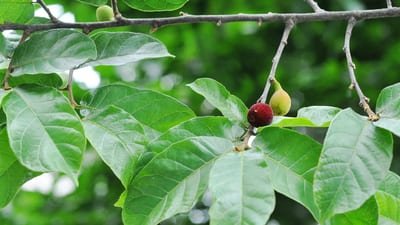
Gnidia glauca is a flowering shrub native to Sri Lanka, belonging to the Thymelaeaceae family. It is known in English as the fish poison bush and in Sinhala as Naha (නාහ). The species has no recorded edible parts.
What does Gnidia glauca look like?
As a member of the Thymelaeaceae family, Gnidia glauca shares the woody, shrubby growth habit typical of this plant group, many of which carry tough, fibrous bark and clustered small flowers. The common English name, fish poison bush, points to a long-recognised property of the plant used in the practice of stunning fish in still water, a traditional method associated with several species in this family across their native ranges.
Is Gnidia glauca poisonous?
The plant is associated with toxic properties, as reflected in its common name. It should not be eaten or used as food, consistent with the record showing no edible parts.
Where does Gnidia glauca grow?
The species is classified as native to Sri Lanka, meaning it occurs naturally on the island, though it is not recorded here as endemic and so is not confined exclusively to it. Thymelaeaceae shrubs of this kind are generally found in tropical and subtropical regions across Asia and Africa.
What is Gnidia glauca called in Sinhala?
In Sinhala, the plant is called Naha (නාහ). This local name is the one most commonly used in botanical and indigenous plant records in Sri Lanka alongside the English common name fish poison bush.
| Attribute | Recorded detail |
|---|---|
| Scientific name | Gnidia glauca |
| Family | Thymelaeaceae |
| English name | Fish poison bush |
| Sinhala / local name | Naha (නාහ) |
| Status in Sri Lanka | Native |
| Edible parts | None |