Sri Lanka has quietly built one of the most varied location libraries in Asian cinema. Within a few hours' drive, a production crew can move from mist-wrapped highland tea estates to sun-baked coastal lagoons, from medieval ruins to rainforest interiors. That geographic compression — the island is roughly the size of Ireland — is exactly what draws international directors back repeatedly. Below is a guide to the most significant films made here, the locations they used, and what those places look like when you visit in person.
Which films were shot in Sri Lanka?
Sri Lanka's film credentials stretch back decades. David Lean's 1957 epic The Bridge on the River Kwai, winner of seven Academy Awards, was filmed largely near Kitulgala in the Kelani River valley — the river-crossing sequences and jungle camp scenes remain among the most iconic location photography ever committed to film. The original bridge was built and then demolished for the climax; the site draws visitors to this day.
More recently, Indiana Jones and the Temple of Doom (1984) used Sri Lankan jungle and palace scenery for key sequences, while The English Patient (1996) and Bombay (1995) both tapped the island's layered cultural landscape for period atmosphere. Sigiriya's 5th-century rock fortress, one of Sri Lanka's UNESCO World Heritage Sites, has appeared as a backdrop in several international productions; its sheer scale and preserved frescoes photograph unlike anything else in South Asia.
Sri Lankan cinema's own long tradition — from the landmark 1947 film Rekava to contemporary Sinhala and Tamil productions — has mapped virtually every corner of the island on celluloid, from the paddy plains of the north-central province to the fishing harbours of the south coast.
What makes Sri Lanka attractive to international film productions?
Three practical factors converge. First, the sheer range of environments within a compact geography means a single itinerary can stand in for multiple countries or climates. Second, Sri Lanka offers a skilled local crew base with experience on both domestic and international shoots. Third, the country's existing tourism infrastructure — good roads, varied accommodation, established permit processes for protected areas — reduces the logistical burden on production teams.
The island's ancient built environment adds a fourth dimension. Sigiriya, the cave temples of Dambulla, the moonstone-and-guard-stone gateways of Polonnaruwa, and the colonial-era fortifications of Galle all provide layers of history that period productions would otherwise have to reconstruct on a set.
Where in Sri Lanka have films been shot?
The locations cluster into a few broad zones, though productions frequently move between them.
- Kitulgala and the Kelani River valley: Dense rainforest, a fast-flowing river, and remote terrain make this the go-to for jungle and war sequences. The River Kwai location is the headliner, but the broader Kelani valley has hosted multiple action productions.
- The Cultural Triangle (Sigiriya, Polonnaruwa, Anuradhapura): Ancient stupas, moated citadels, and carved rock faces. These locations work for period epics set almost anywhere from antiquity to the medieval era.
- The Hill Country: Tea estates around Nuwara Eliya and Ella, cloud-forest ridgelines, and the vertiginous rail viaducts — especially the Nine Arch Bridge near Ella — have appeared in travel films, documentaries, and music videos. The Horton Plains National Park, with its montane grasslands and World's End escarpment, provides a landscape that reads as genuinely otherworldly on screen.
- The Southern Coast: Long sand beaches, colonial Galle Fort, lagoons, and the mangrove-lined channels of Madu Ganga have been used for everything from romance to survival drama.
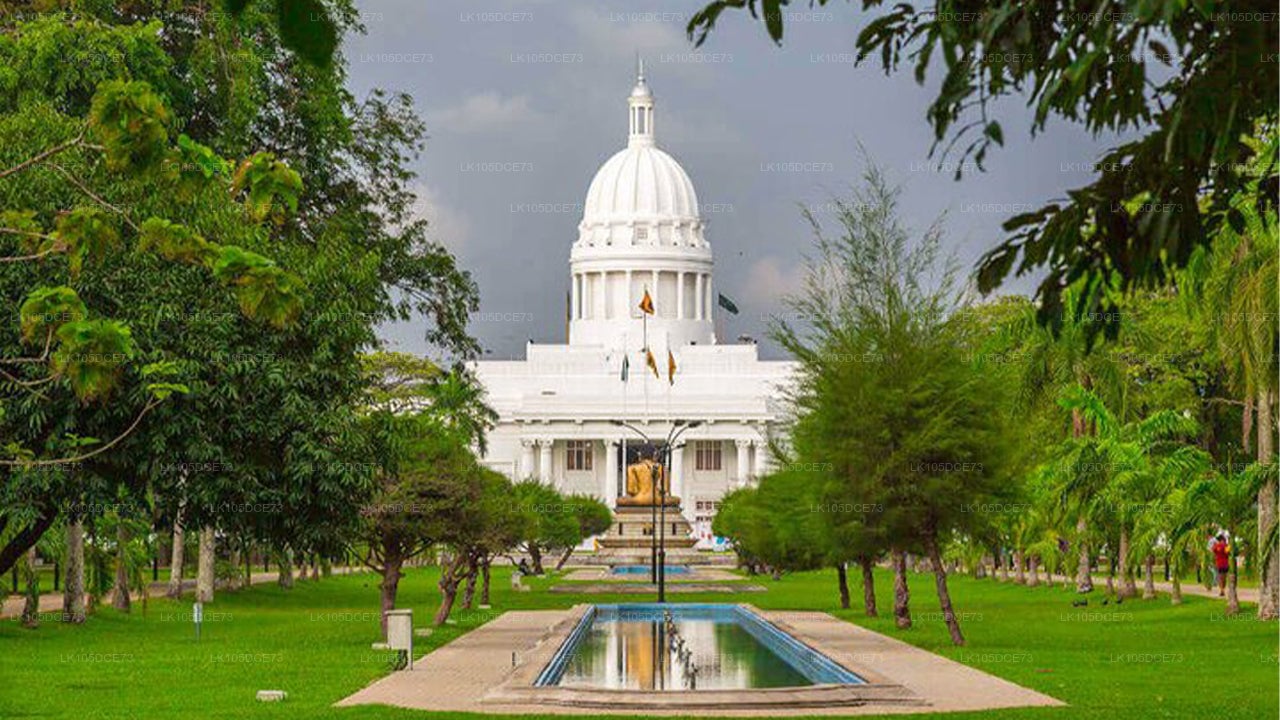
- Colombo: The capital's blend of Dutch-colonial architecture, Art Deco civic buildings, and modern skyline — anchored by the Colombo Lotus Tower — offers a convincingly cosmopolitan setting for contemporary narratives.
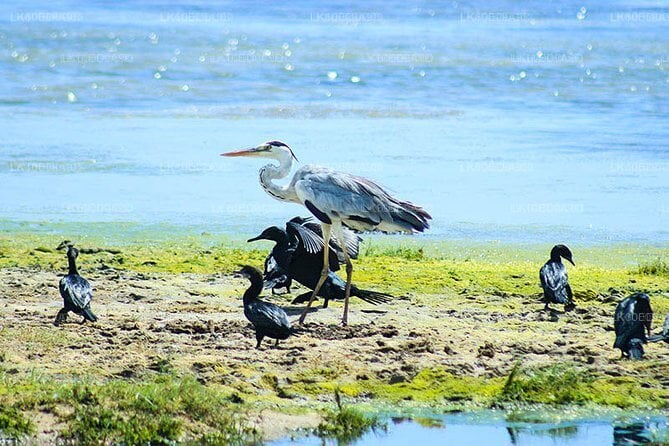
- The Dry Zone and national parks: The open scrub and water-holes of Wilpattu National Park and Udawalawe National Park provide authentic wildlife scenery for nature documentaries and eco-themed productions.
Which documentaries and nature films have been made in Sri Lanka?
Beyond feature films, Sri Lanka is a well-established location for wildlife and nature documentary work. The island's biodiversity — endemic species, dense raptor populations, the world's highest density of leopards in a protected area at Yala — has attracted BBC Natural History Unit crews and numerous independent documentary makers. The Sinharaja Forest Reserve, a UNESCO-listed lowland rainforest, is particularly valued for its endemic bird species and largely undisturbed canopy.
The marine environment has also drawn underwater documentary teams. Trincomalee and Pigeon Island are among the featured locations, with coral reefs and seasonal sperm whale aggregations providing dramatic footage. Pigeon Island's reef systems have appeared in several regional marine conservation films.
How does film tourism work in Sri Lanka?
Visiting film locations in Sri Lanka is straightforward because most of the key sites are already accessible as standard tourist attractions. The Kitulgala river-rafting area near the River Kwai filming site is a popular adventure destination in its own right. Sigiriya and Polonnaruwa require Archaeological Department entrance tickets but have well-maintained visitor infrastructure. National parks require permits and entry through the Department of Wildlife Conservation, typically arranged by your tour operator.
A growing number of travellers combine film-location visits with a broader cultural itinerary — moving between the hill country, the ancient cities, and the coast over seven to ten days. Lakpura can structure private itineraries that connect these sites in a logical sequence, factoring in travel time and seasonal conditions.
When is the best time to visit Sri Lanka's film locations?
Sri Lanka's two monsoon systems mean that different parts of the island are at their most photogenic at different times of year. The southwest coast and hill country are driest and greenest from December through April — ideal for the coastal and highland locations. The Cultural Triangle and east coast are best visited between May and September, when the northeast monsoon has passed. The Esala Perahera Festival in Kandy, one of the most visually compelling events in South Asia, takes place in July or August and has itself been documented in numerous short films and travel features.
For photography and filming purposes, the early dry season tends to produce the clearest light. The monsoon shoulder months bring dramatic cloud formations and fewer crowds — some documentary and editorial photographers prefer this window specifically for those atmospheric skies.
Can visitors access the actual sets or filming locations?
In most cases, yes. There are no permanent film studios in the locations described — productions worked with the natural and built environment, so the landscape you visit is the landscape you see on screen. The Kitulgala site near the former River Kwai bridge has local guides familiar with the production history. Sigiriya is a fully functional archaeological site managed by the Central Cultural Fund. Galle Fort is a living neighbourhood as well as a heritage site — you can walk the same ramparts that appear in multiple productions.
Some wildlife locations inside national parks have access restrictions to protect ecosystems, but standard park safaris cover most of the terrain used in nature documentaries. A Lakpura-arranged safari with a knowledgeable guide can considerably deepen the experience.