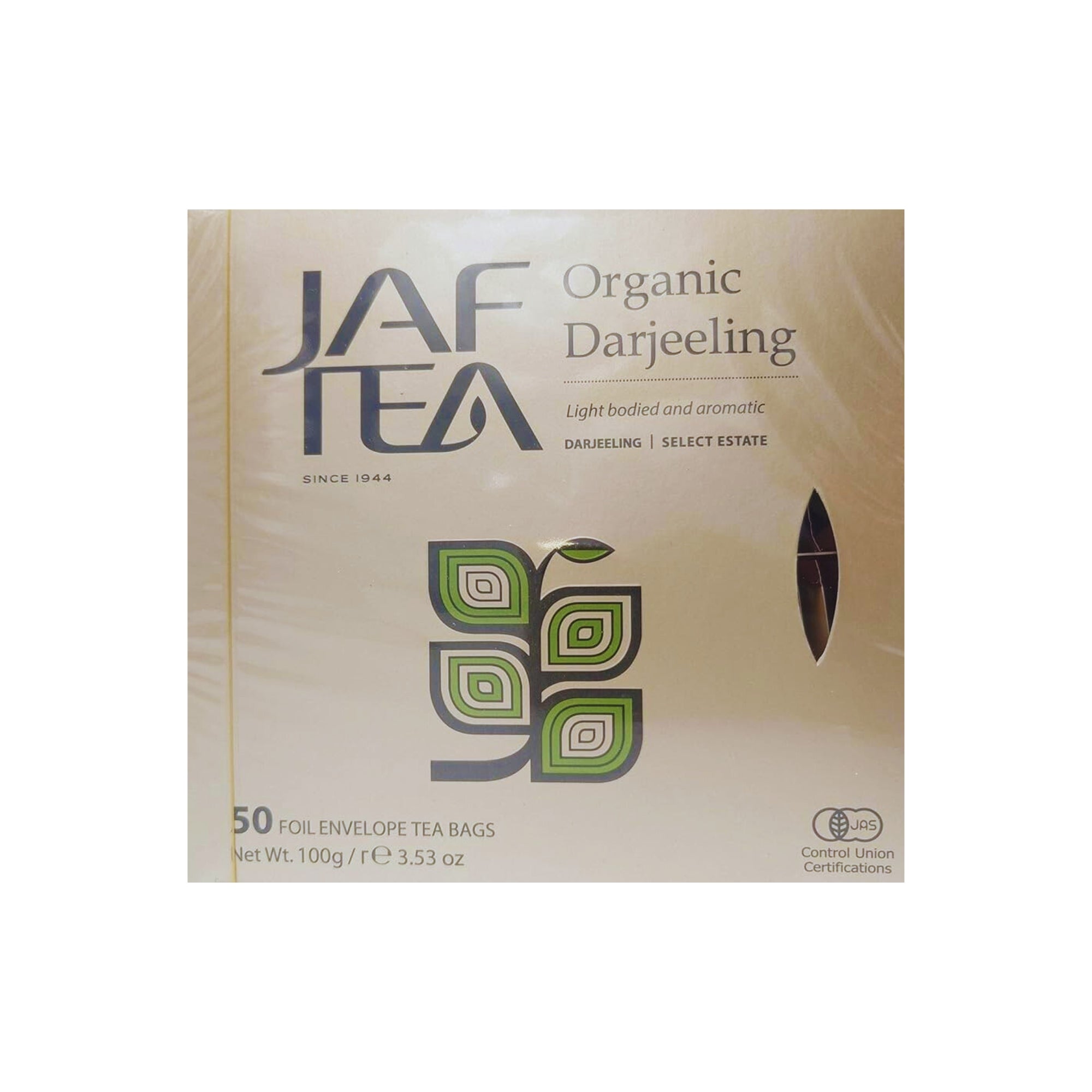
Darjeeling tea occupies a singular position in the world of tea. Grown in the foothills of the Himalayas in West Bengal, India, it draws its character from a combination of Chinese tea cultivars, high-altitude terroir, cool mists, and meticulous hand-processing. The result is a cup that sits in a category of its own: lighter and less astringent than most black teas, yet far more layered and complex than the average green. If you have only ever drunk standard supermarket tea, Darjeeling will feel like an entirely different beverage.
What Does Darjeeling Tea Actually Taste Like?
The flavor profile of Darjeeling shifts considerably depending on the estate and the time of year it was harvested. Across all grades and flushes, you can typically detect a delicate interplay of vegetal, mossy, and floral notes. Younger first-flush teas tend toward fresh, grassy, and lightly astringent characters, while second-flush teas develop the quality that has made Darjeeling globally famous: muscatel.
Muscatel is a naturally occurring aromatic quality — sweet, grape-like tasting notes that are genuinely reminiscent of Muscat wine. It develops when a tiny leafhopper insect punctures the tea leaf, triggering a natural oxidative response in the plant. Far from being a defect, this process produces some of the most sought-after teas in the world. Autumn-flush Darjeeling, harvested later in the year, typically offers rounder, earthier notes with less astringency.
When you purchase Darjeeling from a specific estate rather than a blended product, you are buying a clearly traceable single-origin tea whose flavor reflects the exact conditions of that growing season. Two teas from the same garden, harvested six months apart, can taste strikingly different.
What Are the Main Darjeeling Flushes?
- First Flush (March–April): The earliest harvest of the year, prized for its light, bright, and slightly astringent character. Often described as floral and fresh.
- Second Flush (May–June): The most celebrated harvest, producing the classic muscatel character. Amber in the cup, rich on the palate.
- Monsoon Flush (July–September): Heavy rains accelerate growth, producing bolder, more robust teas used mainly in blends.
- Autumn Flush (October–November): A smaller, quieter harvest yielding smooth, mellow teas with woody and nutty undertones.
Understanding flushes is the single most useful piece of knowledge for anyone wanting to buy Darjeeling with confidence. A first-flush and a second-flush from the same estate are not interchangeable — they reward different brewing styles and suit different moments in the day.
How Does Darjeeling Compare to Ceylon Tea?
While Darjeeling is prized for its delicacy and complexity, Ceylon Tea from Sri Lanka offers a different kind of excellence: a brighter, more assertive cup that stands up well to milk and blends beautifully in larger volumes. Ceylon teas span an enormous range depending on elevation — from the bold low-grown teas of the southern lowlands to the refined, light-bodied high-grown teas of Nuwara Eliya and the estates around Horton Plains.
Neither is categorically superior. They serve different purposes and reward different drinking occasions. Many experienced tea drinkers keep both in their kitchen — Darjeeling for quiet morning sipping and Ceylon for a more robust everyday brew.
What Are the Health Benefits of Darjeeling Tea?
Darjeeling leaves contain polyphenols — plant-derived compounds with antioxidant and anti-inflammatory properties. While no single food or drink is a cure or substitute for medical treatment, a reasonable body of research suggests that regular black tea consumption may offer several modest health advantages.
- Cardiovascular support: Flavonoids found in black tea have been associated in some studies with reduced LDL cholesterol levels, which is a recognized risk factor for heart disease and stroke.
- Blood sugar regulation: Some research indicates that black tea compounds may support more efficient insulin metabolism, which is of interest in the context of type 2 diabetes management.
- Antioxidant protection: Two polyphenol groups — theaflavins and thearubigins — formed during the oxidation of black tea leaves are considered potent antioxidants. They are thought to help neutralize free radicals that can damage cell DNA over time.
- Alertness without excess caffeine: Darjeeling contains less caffeine than most black teas and significantly less than coffee, making it a gentler choice for those who are caffeine-sensitive but still want a light, clean energy lift.
As with all health claims around food and drink, the evidence is generally observational rather than conclusive. Drinking Darjeeling regularly as part of a balanced diet is unlikely to do harm and may contribute to long-term wellbeing — but it is not a substitute for medical advice.
How Should You Brew Darjeeling Tea?
Darjeeling is more sensitive to brewing temperature than most black teas. Boiling water can scorch the delicate leaves of a first or second flush, producing an overly bitter cup and masking the nuanced flavors that justify the premium price.
- Water temperature: Around 85–90°C for first and second flush. Autumn flush teas tolerate water closer to 95°C.
- Steep time: Two to three minutes is usually sufficient. Over-steeping produces bitterness without adding complexity.
- Milk: Traditionally, good-quality Darjeeling — especially first and second flush — is served without milk. Adding milk mutes the muscatel notes that make it special.
- Vessel: A white ceramic or glass cup lets you observe the liquor color, which ranges from pale gold in first flush to a deep amber in second flush. This is part of the experience.
What Should You Look for When Buying Darjeeling Tea?
The most reliable purchase is a tea that states the estate name, the flush, and the year of harvest clearly on the packaging. The Darjeeling GI (Geographical Indication) certification mark, administered by the Tea Board of India, is a useful guide: it confirms the tea was genuinely grown within the Darjeeling district.
Pre-packaged Darjeeling teas from reputable Sri Lankan brands — including Jaf Tea, Basilur, Dilmah, and Zesta — offer consistent quality and convenient formats (loose leaf, tea bags, canisters) for everyday drinking. While these are generally blended Darjeeling-style teas rather than single-estate offerings, they remain good entry points for those unfamiliar with the category.
If you are buying for a gift or for a considered tasting experience, seek out single-estate, single-flush options with a clearly stated harvest year. These command a higher price but deliver a markedly more interesting cup.