Coffee occupies a singular place in the world of beverages: more than a billion cups are drunk every day, across cultures, climates, and centuries of tradition. Yet for many visitors to Sri Lanka, discovering that the island has its own coffee heritage — predating its now-famous tea industry — comes as a genuine surprise. Ceylon coffee has a history worth knowing and a flavour worth seeking out.
What is coffee and how is it made?
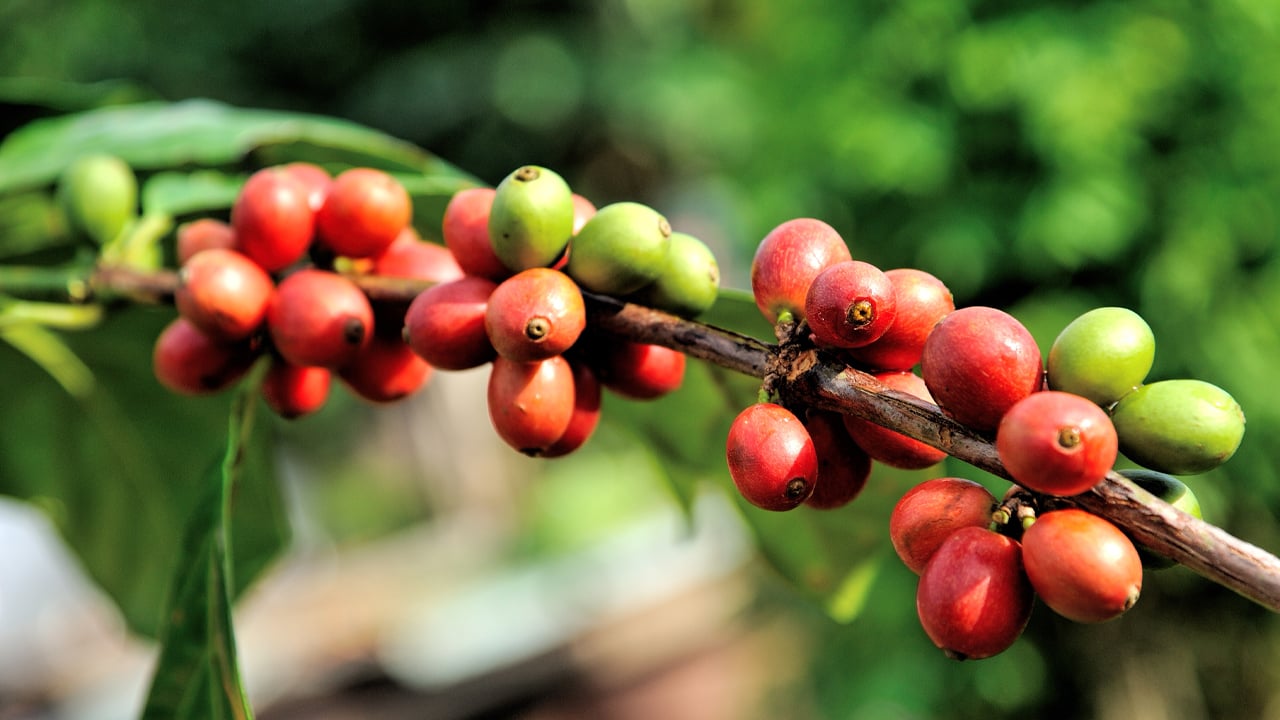
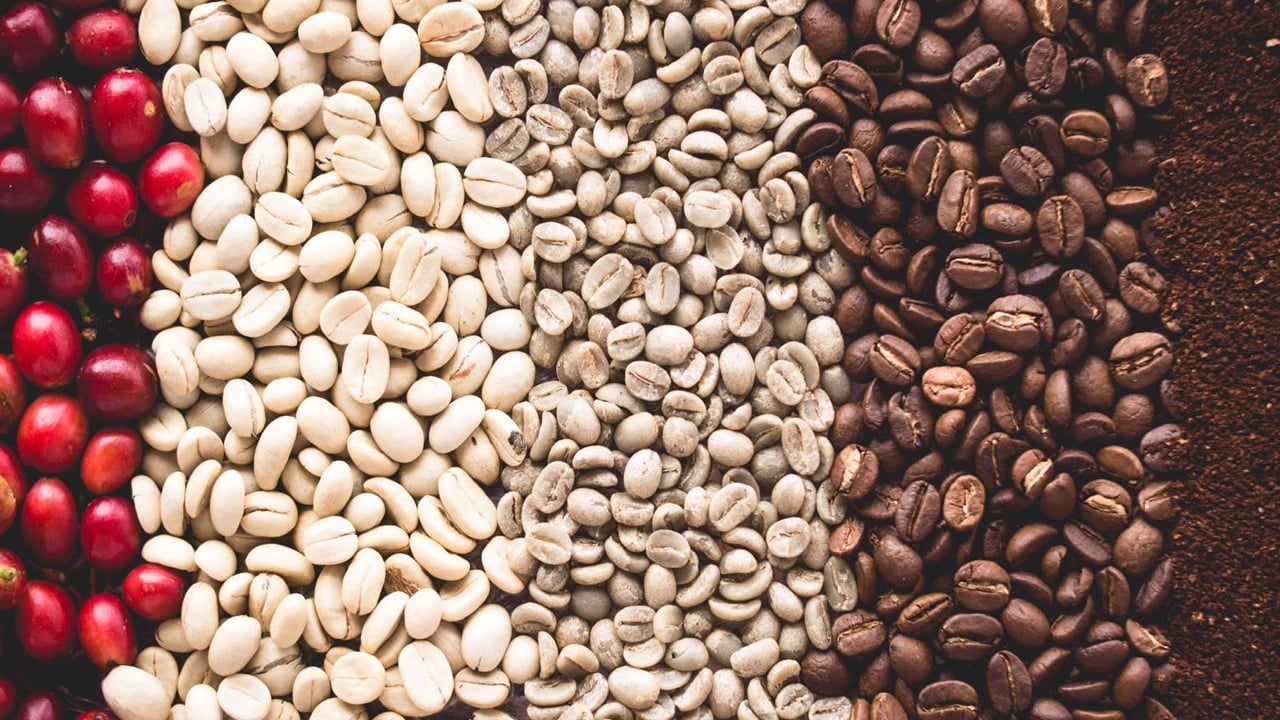
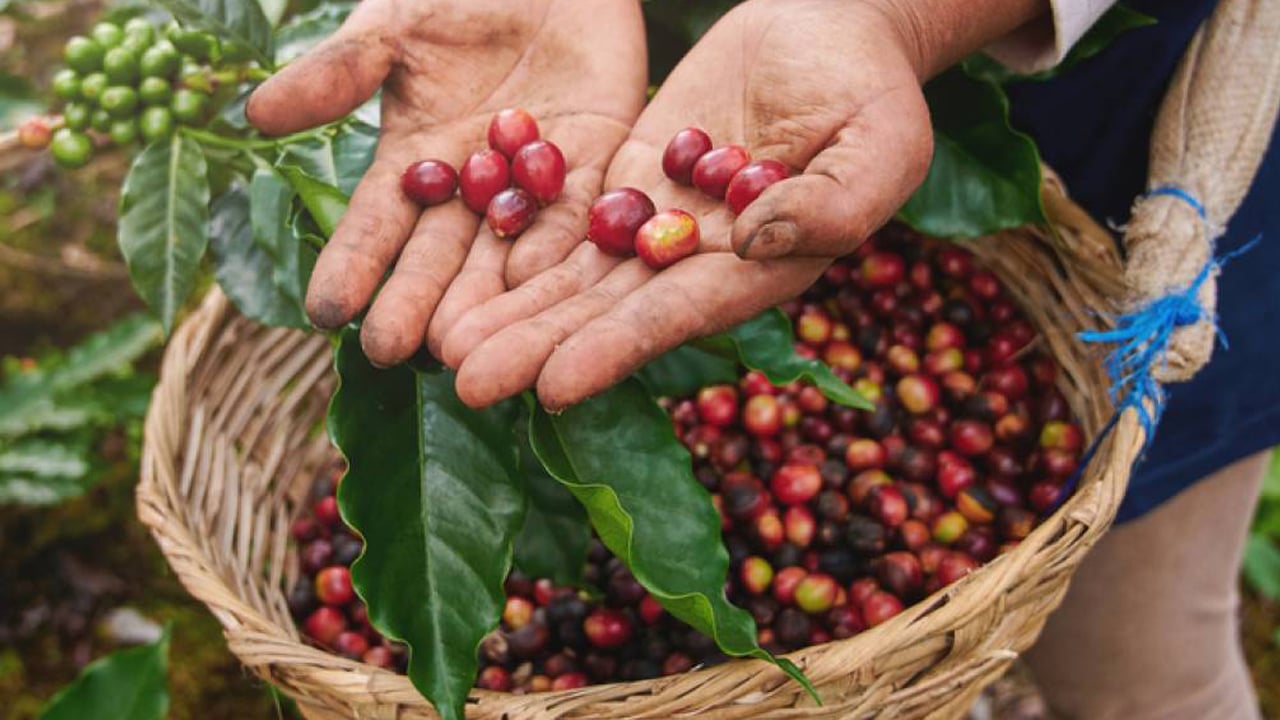
Coffee is brewed from the roasted seeds — commonly called beans — of the Coffea plant. After the fruit (the coffee cherry) is harvested, the seeds are separated, dried, and roasted to develop their characteristic aroma and depth of flavour. The roasted beans are then ground and steeped in hot water, producing one of the world's most widely consumed beverages.
The two species that dominate global production are Coffea arabica and Coffea robusta. Arabica beans are generally lighter-bodied and more aromatic; robusta beans are bolder and higher in caffeine. Ceylon coffee is primarily arabica, grown at elevations that encourage slow cherry development and a more nuanced cup.
Where does coffee originally come from?
The earliest credible evidence of coffee drinking points to 15th-century Yemen, where Sufi monks brewed roasted seeds in a manner recognisably similar to today's methods. The raw material came from the Ethiopian Highlands, carried along coastal trade routes by Somali intermediaries. From Arabia, coffee spread through the Middle East and North Africa during the 16th century, reaching Europe shortly after — and eventually finding its way to colonial plantations across Asia, including Ceylon.
What is the history of coffee in Sri Lanka?
Coffee arrived in Ceylon under Dutch colonial rule and expanded dramatically during the British period. By the mid-19th century, Sri Lanka was one of the world's major coffee exporters, with estates blanketing the hill country from Kandy to the Uva region. The Ella highlands and the Matale district were particularly productive growing areas.
In the 1870s, a fungal disease — Hemileia vastatrix, commonly called coffee leaf rust — devastated the plantations. British planters replaced much of the coffee with tea, a shift that permanently reshaped Sri Lanka's agricultural identity. Coffee never disappeared entirely, however; small-scale cultivation continued in the hill country, and in recent years a quiet revival has been gathering pace, with specialty growers in Matale, Kotmale, Walapane, Badulla, and Bandarawela producing single-origin beans that are attracting international interest.
Where is coffee grown in Sri Lanka today?
Ceylon coffee is grown across several distinct highland regions, each imparting slightly different characteristics to the cup:
- Matale region — mid-elevation estates producing balanced, medium-bodied arabica with mild acidity.
- Kotmale region — cooler conditions and rich soil in the central highlands, associated with a cleaner, brighter flavour profile.
- Walapane region — situated between Nuwara Eliya and Kandy, this area yields beans with floral notes and a delicate finish.
- Bandarawela & Badulla regions — the Uva province's distinct dry winds and temperature swings create coffees with pronounced character, often described as earthy with a pleasant tartness.
Most Ceylon coffee is shade-grown under a canopy of other trees, which supports biodiversity and slows the ripening of the cherry — generally producing better cup quality. The Sinharaja Forest Reserve buffer zone and surrounding areas have encouraged farmers to adopt agroforestry models that combine coffee with native species.
How does Ceylon coffee compare to Ceylon tea?
Sri Lanka is, of course, globally famous for Ceylon Tea, and the comparison is inevitable. Both beverages benefit from the same highland climate — consistent rainfall, cool nights, and well-drained soils — but they produce very different drinking experiences. Tea offers immediacy and a lighter profile; Ceylon arabica coffee rewards slower preparation and delivers a richer, more complex body. Many visitors to the hill country now make a point of trying both.
What are the health benefits associated with drinking coffee?
Coffee is one of the most studied foods in nutrition science, and the body of evidence is broadly positive when consumed in moderate amounts. Key findings include:
- Antioxidant content — coffee is a significant dietary source of antioxidants, including chlorogenic acids, which may help reduce oxidative stress in the body.
- Cognitive function — caffeine temporarily improves alertness and concentration by blocking adenosine receptors in the brain.
- Metabolic support — some research suggests that regular coffee consumption may support healthy glucose metabolism, though individual responses vary.
- Liver health — multiple studies have found associations between regular coffee intake and a lower risk of certain liver conditions, though cause and effect remain under investigation.
- Neuroprotection — observational studies show an association between long-term coffee consumption and reduced risk of Parkinson's disease and Alzheimer's disease, though further research is ongoing.
These benefits apply to black coffee or coffee with minimal additions. Heavily sweetened or cream-laden preparations add calories that may offset some advantages. As with any dietary habit, moderation is the guiding principle.
What varieties of Ceylon coffee can you buy?
The Sri Lankan coffee market now extends well beyond the classic black cup. Local producers have developed a range of blended and flavoured coffees that reflect the island's spice heritage:
- Cinnamon coffee — Ceylon cinnamon (Cinnamomum verum) is added to ground arabica to produce a subtly sweet, fragrant brew. This is arguably Sri Lanka's most distinctive coffee style.
- Spiced coffee — blends incorporating cardamom, clove, or black pepper alongside arabica, echoing the island's spice-trading history.
- Ginger coffee — dried ginger adds warmth and a mild digestive quality to the cup, popular as an after-dinner drink.
- Almond coffee — a lighter, nuttier blend suited to those who prefer reduced caffeine intensity.
- Mushroom & botanical coffees — newer wellness-oriented blends combine coffee with functional ingredients such as cassia tora, tamarind seed, or jamun seed, drawing on Ayurvedic traditions.
- Raw green beans — for those who prefer to roast at home, single-origin raw beans from Matale, Kotmale, Walapane, Badulla, and Bandarawela are available as a specialty product.
How should you brew Ceylon coffee at home?
Ceylon arabica is well-suited to a range of brewing methods. Drip-filter sachets are the most convenient starting point and preserve good extraction at medium roast. For a fuller body, a French press with a four-minute steep brings out the bean's natural oils. Espresso preparation emphasises the brightness of the lighter-bodied highland varieties. Whichever method you choose, water temperature around 90–94°C — just off the boil — generally produces the best results with arabica.
Ceylon cinnamon coffee is particularly enjoyable prepared as a simple pour-over: the hot water releases the cinnamon's volatile oils alongside the coffee's aromatics, filling the room with a scent that is immediately and unmistakably Sri Lankan.
Where can you experience coffee culture in Sri Lanka?
Coffee estates in the Matale and Uva hill country occasionally welcome visitors for informal tastings and farm walks; it is worth enquiring locally or through your destination management company before arrival. The Kandy city tour provides a good base for exploring the surrounding hill-country coffee-growing areas, and the town has a growing number of specialty cafés that serve single-origin Ceylon brews alongside more familiar espresso drinks.
For a broader sense of Sri Lanka's agricultural landscape, visiting Bluefield Tea Gardens in the hill country offers insight into how tea and coffee coexist in the same terrain — a reminder that this island's relationship with plantation crops is long, layered, and still evolving.