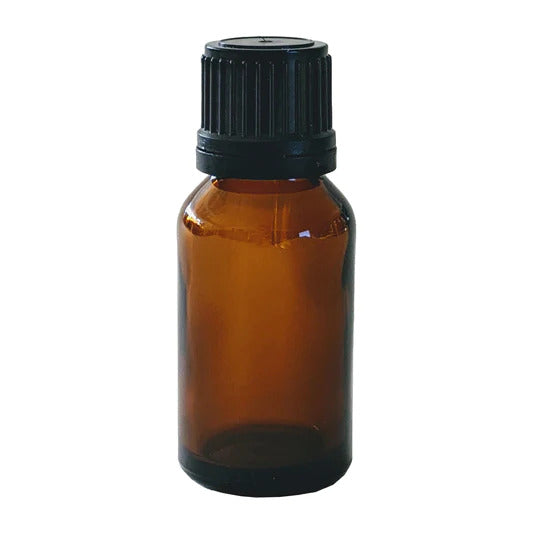
Ceylon cinnamon bark oil is one of the rarest essential oils produced in Sri Lanka. Distilled from the inner bark of Cinnamomum zeylanicum — the same tree that gives the world what is botanically recognised as "true cinnamon" — the oil carries a warm, sweet-spicy aroma that is chemically and organoleptically distinct from the far more common cassia oil sold under the generic label of cinnamon in many markets.
What makes Ceylon cinnamon bark oil different from other cinnamon oils?
Most commercial "cinnamon oil" is derived from Cinnamomum cassia or Cinnamomum aromaticum, species native to China and Vietnam. Ceylon cinnamon (Cinnamomum zeylanicum), by contrast, is indigenous to Sri Lanka and cultivated almost exclusively in the island's southwestern coastal belt. The bark oil of the Ceylon variety is softer in character — lower in eugenol, notably higher in cinnamaldehyde — and is widely regarded as superior for both therapeutic and perfumery applications.
Researchers have identified more than 90 distinct compounds in Ceylon cinnamon bark oil, with cinnamaldehyde typically accounting for more than 60% of the composition. A further 50-plus trace compounds have been detected but remain incompletely characterised, which is part of why the oil continues to attract academic interest.
What are the traditional and Ayurvedic uses of cinnamon bark oil?
Cinnamon has occupied a central role in Ayurvedic medicine for centuries. In that tradition, the bark is classified as a warming, stimulant herb and has been used to address a range of digestive complaints. Recorded applications include its use as an antiemetic (to reduce nausea and vomiting), an antidiarrheal, and a carminative to relieve flatulence. It also appears in classical formulations as a general tonic and circulatory stimulant.
Similar applications appear in traditional Unani and Chinese medical texts, suggesting that the therapeutic reputation of cinnamon bark transcends any single healing tradition. Cloves, another spice with a long Ayurvedic history, share several of the same antimicrobial and warming properties.
What does modern research say about cinnamon bark oil?
Contemporary laboratory and clinical studies have begun to validate several of the traditional claims made for cinnamon bark oil, while also identifying new areas of interest:
- Antimicrobial activity: Cinnamaldehyde has demonstrated inhibitory effects against a range of bacteria, including certain strains of Salmonella, which may explain the oil's traditional role in managing food-borne digestive illness.
- Blood sugar regulation: A body of research suggests that cinnamon-derived compounds can improve insulin sensitivity, though the evidence base is stronger for powdered cinnamon than for the isolated oil. People managing diabetes should consult a physician before therapeutic use.
- Cholesterol and lipid profiles: Some studies indicate modest improvements in LDL cholesterol levels associated with regular cinnamon consumption, though the mechanisms are still being investigated.
- Wound healing: Preliminary research points to anti-inflammatory and antimicrobial properties that may support topical wound care, though neat application of bark oil directly to skin is not recommended due to its potency.
It is worth noting that bark oil is significantly more concentrated — and more dermally sensitising — than gentler botanical extracts. It should always be diluted in a suitable carrier oil before any skin contact.
How is Ceylon cinnamon bark oil used in aromatherapy and perfumery?
In aromatherapy, cinnamon bark oil is used in diffusers and room sprays to create a warm, grounding atmosphere. Its high cinnamaldehyde content gives it a tenacious, spice-forward character that blends well with citrus top notes (sweet orange, bergamot) and woody base notes (sandalwood, cedarwood).
In fine fragrance, the oil has long served as a middle-to-base note anchor in oriental and chypre compositions. Several iconic French perfume houses have sourced Ceylon-origin cinnamon for its greater aromatic complexity compared with cassia alternatives. The oil's relative scarcity and labour-intensive production — the bark must be hand-peeled and distilled carefully to avoid charring the volatile compounds — make it considerably more expensive than cinnamon leaf oil.
What is the difference between cinnamon bark oil and cinnamon leaf oil?
This is a practical question for any buyer. The two oils come from the same plant but from different parts of it, and their chemical profiles diverge substantially.
| Property | Bark Oil | Leaf Oil |
|---|---|---|
| Primary compound | Cinnamaldehyde (>60%) | Eugenol (>70%) |
| Aroma character | Sweet, warm, spicy | Clove-like, sharper |
| Relative cost | Higher | Lower |
| Dermal sensitivity | Higher — always dilute | Moderate — always dilute |
| Common uses | Aromatherapy, perfumery, flavouring | Aromatherapy, massage blends, flavouring |
Leaf oil is the more accessible of the two and is suitable for most everyday aromatherapy blends. Bark oil is the choice when a richer, more nuanced cinnamon character is required and the formulation budget allows for it.
How is Ceylon cinnamon bark oil used in food and drink flavouring?
Food-grade cinnamon bark oil is used in minuscule quantities as a flavouring agent in baked goods, confectionery, beverages, and liqueurs. Because the oil is extremely concentrated, professional food manufacturers work with it at usage levels typically measured in parts per thousand. Home cooks are generally better served by whole spices or quality ground cinnamon unless they are specifically formulating a recipe that calls for the oil.
When used correctly, bark oil imparts a cleaner, more aromatic cinnamon note than ground bark, without the tannin and fibre content that can affect mouthfeel. It is also a preferred choice in transparent beverages and alcohol-based products where undissolved particles are undesirable.
Where does Ceylon cinnamon bark oil come from, and how is it produced?
Commercial cinnamon cultivation in Sri Lanka is concentrated in the districts of Galle, Matara, Kalutara, and Colombo — a region where the combination of sandy loam soils, humid coastal climate, and accumulated generational knowledge produces bark of exceptional quality. The essential oil is obtained through steam distillation of the dried inner bark (quills). Yields are low relative to the volume of raw material processed, which contributes to the oil's relatively high market price.
Sri Lanka remains the world's dominant supplier of true cinnamon (Cinnamomum zeylanicum), accounting for the large majority of global exports. The country's cinnamon industry supports tens of thousands of smallholder farmers and peelers, and the Lakpura team works with suppliers committed to traceable, responsibly sourced material.
Is Ceylon cinnamon bark oil safe to use?
Ceylon cinnamon bark oil is considered safe when used appropriately, but a few practical precautions apply. Undiluted application to the skin can cause irritation or sensitisation — a carrier oil (such as coconut or jojoba) at a dilution of around 0.5–1% is advisable for topical use. The oil should be kept away from the eyes and mucous membranes. Pregnant women, nursing mothers, and people with known spice allergies should consult a qualified health professional before therapeutic use. As with all essential oils, it should be stored away from direct light and heat to preserve its chemical integrity.
Related reading
2 pages on closely related subjects.