Bambalapitiya occupies a narrow strip of western Colombo, sandwiched between the Indian Ocean and the city's main arterial roads. Administratively part of the Colombo Municipal Council area, it sits roughly between Kollupitiya to the north and Wellawatte to the south — a position that makes it one of the most accessible and liveable neighbourhoods in the capital. For visitors, it functions less as a destination in itself and more as a well-placed base from which to explore the wider city.
What is Bambalapitiya known for?
The suburb has a layered identity. On the landward side, Galle Road — the main coastal highway — cuts through its centre, lined with pharmacies, supermarkets, small restaurants, and decades-old textile shops. On the ocean side, a narrow coastal belt offers unobstructed views of the sea, though the shoreline here is not a swimming beach. Bambalapitiya is perhaps best known among locals for two landmarks: the historic Majestic City shopping complex and the Bambalapitiya railway station, which anchors the neighbourhood's role as a transit hub.
The area also carries a certain architectural character. Colonial-era bungalows and older apartment blocks sit alongside newer high-rises, giving the streets a mixed, organic feel that is different from the more planned developments further south in Colombo.
How do I get to Bambalapitiya from Colombo Fort?
Bambalapitiya is approximately 4 kilometres south of Colombo Fort, making it an easy journey by several modes of transport.
- Train: The Colombo-Batticaloa railway line stops at Bambalapitiya station. Trains from Fort take around 10–15 minutes and run frequently throughout the day.
- Bus: Numerous intercity and local bus services run along Galle Road, connecting Bambalapitiya to Fort, Pettah, and southern suburbs like Dehiwala and Mount Lavinia.
- Taxi or tuk-tuk: A ride-hailing app or metered taxi from Fort typically takes 15–25 minutes depending on traffic. Colombo's traffic can be congested during morning and evening rush hours, so the train is often the faster option.
If you are arranging private transfers across Colombo, Lakpura can coordinate door-to-door transport to suit your itinerary — see the Colombo City Tour page for how we structure city days.
What can I see and do in Bambalapitiya?
The neighbourhood rewards a slow, on-foot exploration rather than a checklist of sights. A morning walk along the coastal promenade, which stretches intermittently between here and Kollupitiya, is one of the quieter pleasures the area offers. Fishermen often work close to shore in the early hours, and the sea breeze makes the walk comfortable even in the warmer months.
Majestic City is Bambalapitiya's main commercial anchor — a multi-storey mall that has been part of the suburb's streetscape since the 1990s. It houses a cinema, clothing retailers, food outlets, and a basement supermarket. While newer malls in Colombo 3 and Rajagiriya have drawn footfall away, Majestic City retains a loyal local following.
Bambalapitiya Junction is also a useful orientation point for visitors. Several well-regarded local restaurants and bakeries cluster near the junction, offering short eats, rice and curry, and Sri Lankan-style devilled dishes at prices aimed at the neighbourhood rather than tourists.
For those with an interest in religious heritage, the area has Buddhist, Hindu, and Christian places of worship within a short radius — a reflection of the mixed communities that have historically lived along this part of Colombo's coast.
Where should I eat in Bambalapitiya?
The suburb has a well-developed restaurant scene that spans casual Sri Lankan rice-and-curry places, Muslim-owned devilled seafood restaurants, and a handful of cafés catering to the area's young professional population. The stretch of Galle Road between Bambalapitiya Junction and Wellawatte is particularly dense with options. For something more curated, the nearby 7 Degrees Restaurants & Bar in Colombo offers a modern dining experience within easy reach.
Bambalapitiya also has good access to fresh produce markets. The Wellawatte fish market, a short walk south, is one of the more active urban fish markets in the city — useful context for understanding how central the ocean is to daily life in coastal Colombo.
Is Bambalapitiya a good base for exploring Colombo?
For most visitors, yes. Its midpoint location on the coast means that Colombo Fort, the National Museum, Viharamahadevi Park, the Colombo Lotus Tower, and the Galle Face Green are all within a short commute. The Colombo Lotus Tower — the tallest self-supported structure in South Asia — is a straightforward taxi or tuk-tuk ride away and gives a useful aerial orientation of the city.
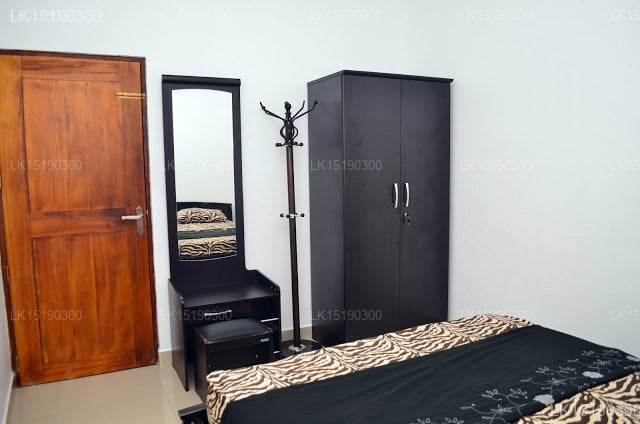
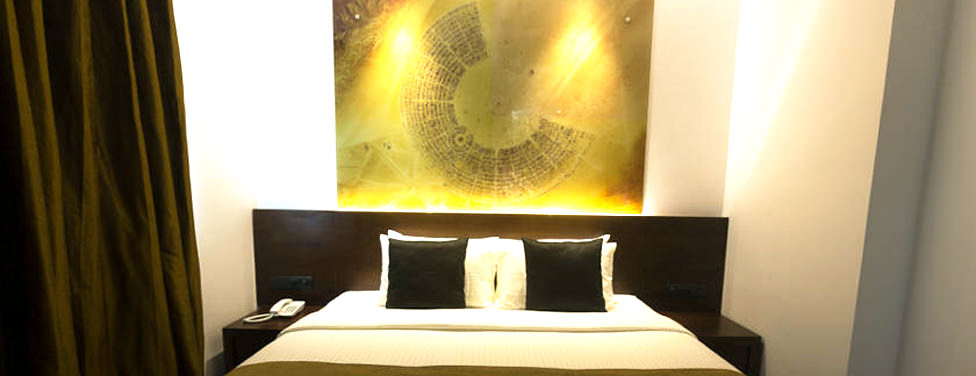
Accommodation in Bambalapitiya ranges from budget guesthouses to serviced apartments, making it viable for travellers on varied itineraries. The neighbourhood's position also means that heading south toward Galle or the south coast is straightforward, as Galle Road leads directly out of the city in that direction.
What is the best time to visit Colombo and Bambalapitiya?
Colombo's west coast, including Bambalapitiya, receives its heaviest rainfall during the south-west monsoon, which typically runs from May to September. The drier, more settled period falls between December and April, when sea conditions are calmer and outdoor walks along the coast are more pleasant. That said, Colombo is a year-round city — rain here tends to come in concentrated bursts rather than prolonged grey days, and urban life continues normally throughout the wet season.
The months around the Sinhala and Tamil New Year in April, and the festive season from December into January, bring a particular energy to the city's streets and markets.
What are the neighbouring areas worth knowing about?
Bambalapitiya borders several of Colombo's most distinct neighbourhoods:
- Kollupitiya (Colombo 3): Immediately north, home to five-star hotels, the Galle Face Green, and many of Colombo's diplomatic missions.
- Havelock Town: Inland to the north-east, a quieter residential area with a growing café and restaurant scene.
- Wellawatte (Colombo 6): Directly south, with a strong Tamil community presence and some of the city's best seafood restaurants along its main street.
- Dehiwala: Further south, transitioning toward the zoo and the Mount Lavinia beachfront.
Together, these areas form a coherent coastal corridor that can be explored in a single half-day drive or walk with a knowledgeable local guide — something Lakpura regularly incorporates into its Colombo city day programmes.
Nearby places
9 places within about 25 km, nearest first.
- House of Fashionsunder 1 km
- Old Kathiresan Templeunder 1 km
- Barefoot Galleryunder 1 km
- Bambalapitiya Railway Stationunder 1 km
- The Gallery Cafeunder 1 km
- Sri Lanka Tourist Policeunder 1 km
- Crescat Boulevardunder 1 km
- Isipathanaramaya Templeunder 1 km
- St Pauls Churchunder 1 km
Related reading
7 pages on closely related subjects.