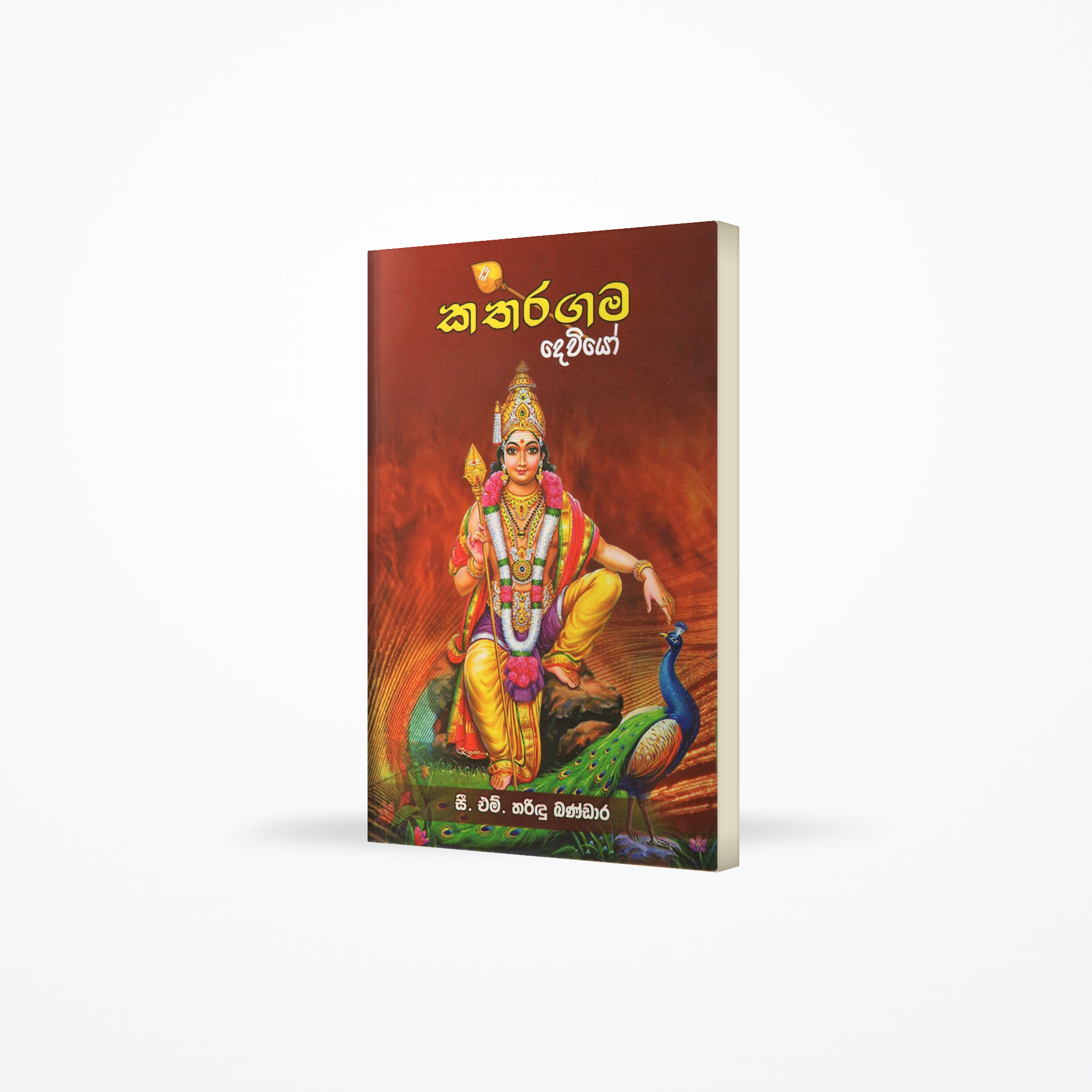
The Badulla Katharagama Devalaya is one of the most historically significant religious monuments in Sri Lanka's Uva Province. Dedicated to Kataragama Deviyo — one of the most widely venerated deities in the Sinhalese Buddhist and Hindu traditions — this ancient shrine stands as a testament to centuries of faith, royal patronage, and cultural resilience. The Department of Archaeology has formally recognised it as a protected monument, cementing its place in Sri Lanka's national heritage.
What is the Badulla Katharagama Devalaya?
A devalaya is a shrine dedicated to a deity within the Sri Lankan religious tradition, distinct from a Buddhist temple but often found in close proximity to one. The Badulla Katharagama Devalaya is a satellite shrine of the principal Kataragama sanctuary located in the deep south of Sri Lanka, near Ella and the broader Uva highlands. Devotees who cannot make the long pilgrimage to the main Kataragama complex often visit this devalaya to seek the blessings of Kataragama Deviyo, a deity associated with war, protection, and spiritual power.
The shrine draws worshippers from both the Buddhist and Hindu communities, reflecting the syncretic character of Kataragama devotion across Sri Lanka.
What is the history of the Badulla Katharagama Devalaya?
The precise date of the devalaya's founding is not recorded, but tradition and historical evidence point to the 17th century. It is widely believed to have been built under the patronage of King Vimaladharmasuriya I, who reigned over the Kingdom of Kandy from 1592 to 1604. At that time, Badulla functioned as an important sub-kingdom within the broader Kandyan realm, occupying a strategic position in the Uva highlands.
In late August 1630, Portuguese forces led by General Constantino de Sá invaded Badulla, ransacking the city, destroying crops, and seizing livestock. Historical accounts suggest the original devalaya buildings were among the structures damaged or destroyed during this incursion. The shrine did not remain in ruins for long. King Rajasinghe II, who ruled from 1635 to 1687, ordered its restoration and re-endowment — an act that underlines the political and religious importance the Kandyan monarchs placed on maintaining such shrines across their territory.
This pattern of destruction and royal restoration is echoed at other religious sites across the Kandyan kingdom, including those associated with the Esala Perahera Festival tradition that continues to this day. The devalaya's survival through centuries of conflict and political change speaks to the depth of popular devotion it has inspired.
Why is the Badulla Katharagama Devalaya significant today?
Beyond its religious role, the devalaya holds formal recognition as an archaeological protected monument under Sri Lankan law. This status protects the structure and its surroundings from unauthorised alteration and ensures ongoing government oversight of its conservation.
The shrine also contributes to understanding the spread of Kataragama devotion across the island. While the main Kataragama complex in the south is one of Sri Lanka's most visited pilgrimage destinations, regional devalaya such as this one in Badulla demonstrate how the cult of Kataragama Deviyo was integrated into local religious life across different provinces. For researchers of Sri Lankan religious history and colonial-era archaeology, the devalaya offers a layered record of patronage, conflict, and renewal.
What can visitors expect at the Badulla Katharagama Devalaya?
Visitors arrive at a working religious site, not a museum exhibit. The atmosphere is active and devotional, particularly during morning and evening puja (offerings). Rituals typically involve drumming, incense, and offerings of flowers and coconuts. Dress respectfully — shoulders and knees should be covered — and remove footwear before entering the shrine precincts.
- Photography inside the inner shrine is generally not permitted; always ask before raising a camera.
- The devalaya is most atmospheric during festival periods, including the annual Kataragama festival season, which typically falls between June and August.
- There are no formal entry fees for visiting the devalaya, though donations are customary.
- The site is accessible on foot from Badulla town centre, making it a natural addition to any walking itinerary through the town.
What else is worth seeing in Badulla?
Badulla is the administrative capital of Uva Province and a convenient hub for exploring the surrounding highlands. The town sits at a lower elevation than Nuwara Eliya or Haputale, giving it a warmer, more temperate climate. Key attractions within easy reach include:
- Dunhinda Falls — one of Sri Lanka's widest waterfalls, located a short drive and walk from Badulla town.
- Bogoda Wooden Bridge — believed to be one of the oldest surviving wooden bridges in Sri Lanka, in the nearby Badulla District.
- St. Mark's Church — a colonial-era church that reflects Badulla's role as a British administrative centre during the 19th century.
- Muthiyangana Raja Maha Viharaya — one of the 16 sacred sites (solosmasthana) in Sri Lanka, located in the heart of Badulla town.
The surrounding Uva highlands also offer access to Horton Plains National Park, one of the island's most ecologically important protected areas, within a roughly two-hour drive.
How do I get to Badulla from Colombo?
Badulla is connected to Colombo and Kandy by rail on the famous Hill Country line, considered one of the most scenic train journeys in Asia. The Podi Menike and Denuwara Menike express services depart from Colombo Fort station and pass through Kandy and Nanu Oya (for Nuwara Eliya) before terminating at Badulla. The journey from Colombo typically takes between seven and nine hours depending on the service. Observation-car and reserved seats should be booked in advance, especially on weekends and public holidays.
Private road transfers are a faster and more flexible option, taking around five to six hours from Colombo via the Badulla Road through Nuwara Eliya, or via Wellawaya from the south coast.
When is the best time to visit Badulla and the devalaya?
Badulla can be visited year-round. The drier months from May to September generally offer clearer skies and easier road conditions in the highlands. If your interest is specifically in Kataragama devotional festivals, timing a visit to coincide with the Esala season (June to August) will give you the richest ceremonial experience, both here and at the main Kataragama complex in the south. The Uva Province receives its heaviest rainfall between July and September due to the south-west monsoon, so short afternoon showers are common even in the drier months.
Nearby places
14 places within about 25 km, nearest first.
- Badulla Pillar Inscriptionunder 1 km
- Muthiyangana Raja Maha Viharaunder 1 km
- Badulla Railway Stationunder 1 km
- Muthiyanganayaunder 1 km
- Badullaunder 1 km
- Badulla Accommodationsunder 1 km
- Welekade Dutch Fortunder 1 km
- Dunhinda Fallsunder 1 km
- Bogoda Cave1 km
- Heel Oya Railway Station4 km
- Hali Ela Railway Station5 km
- Bogoda Wooden Bridge6 km
- Shawlands Tea Estate7 km
- Adawatte Tea Estate14 km
Related reading
5 pages on closely related subjects.