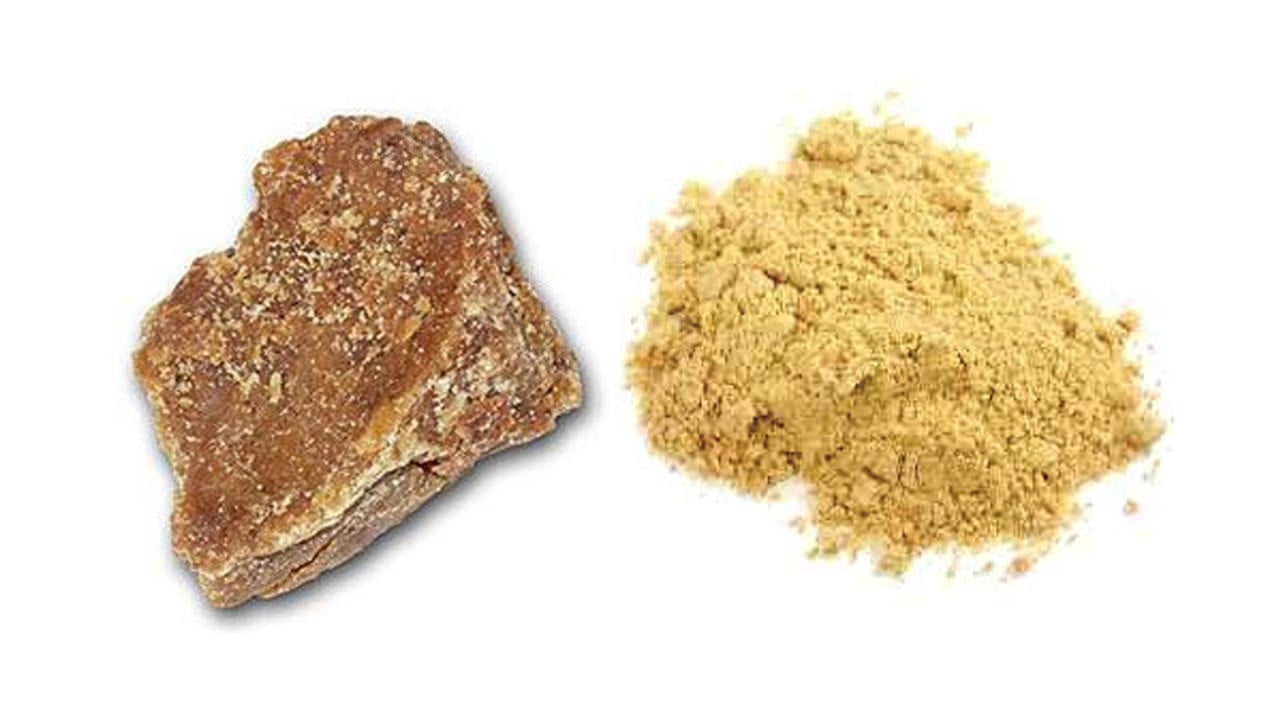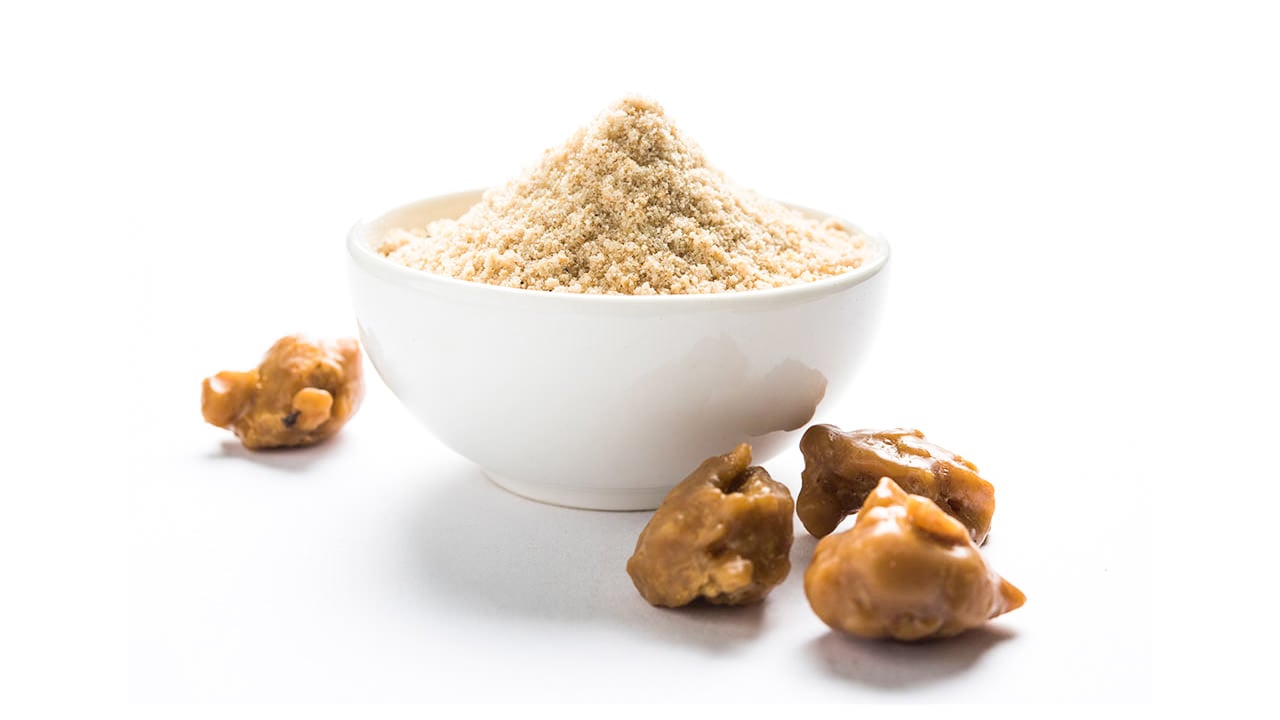

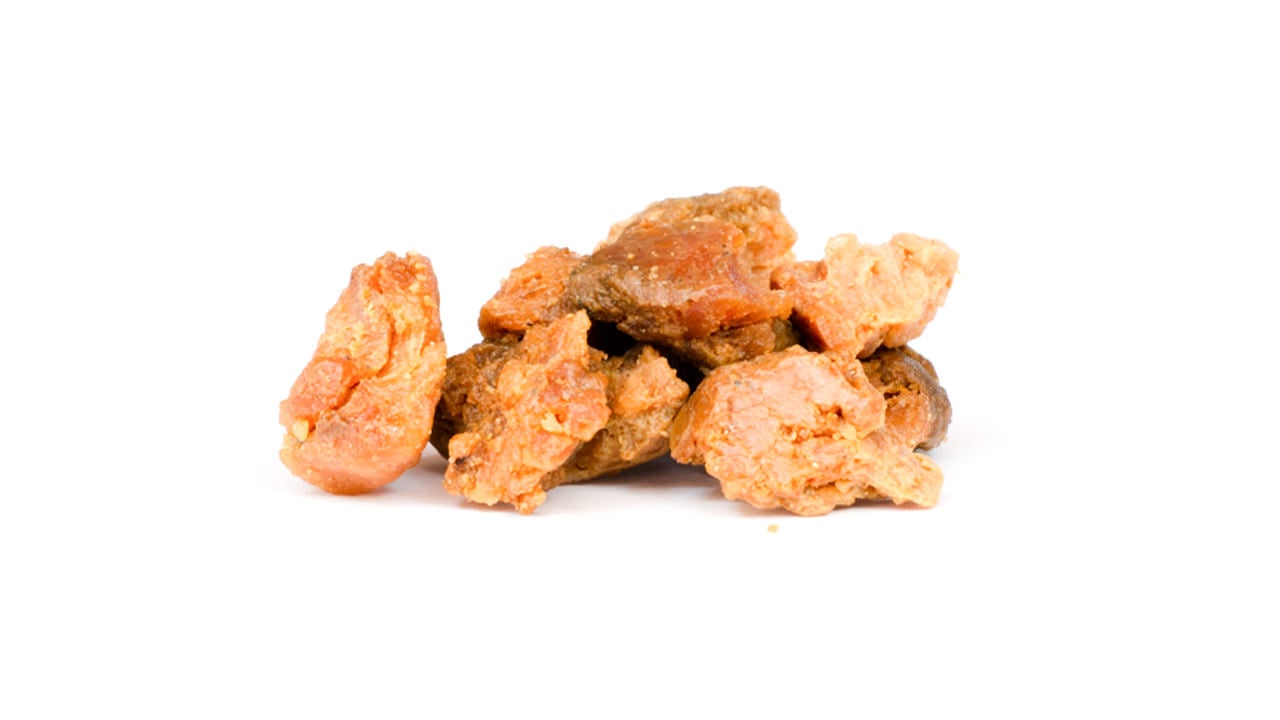
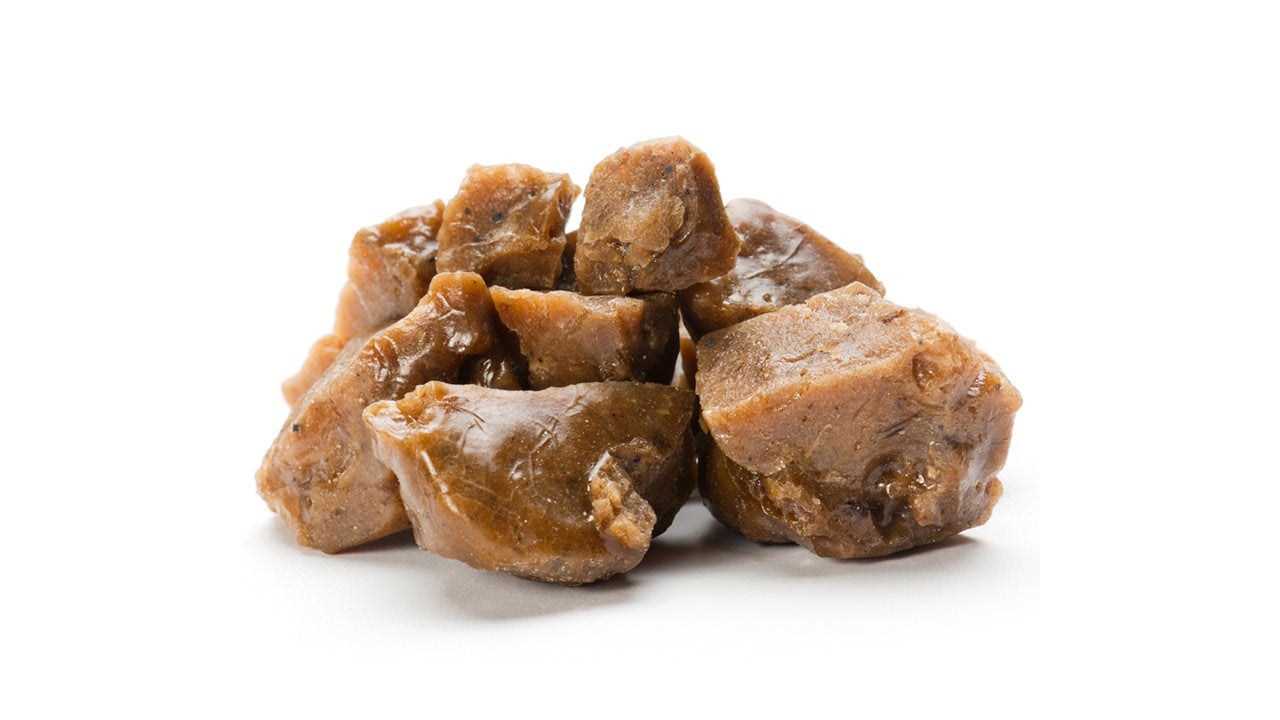
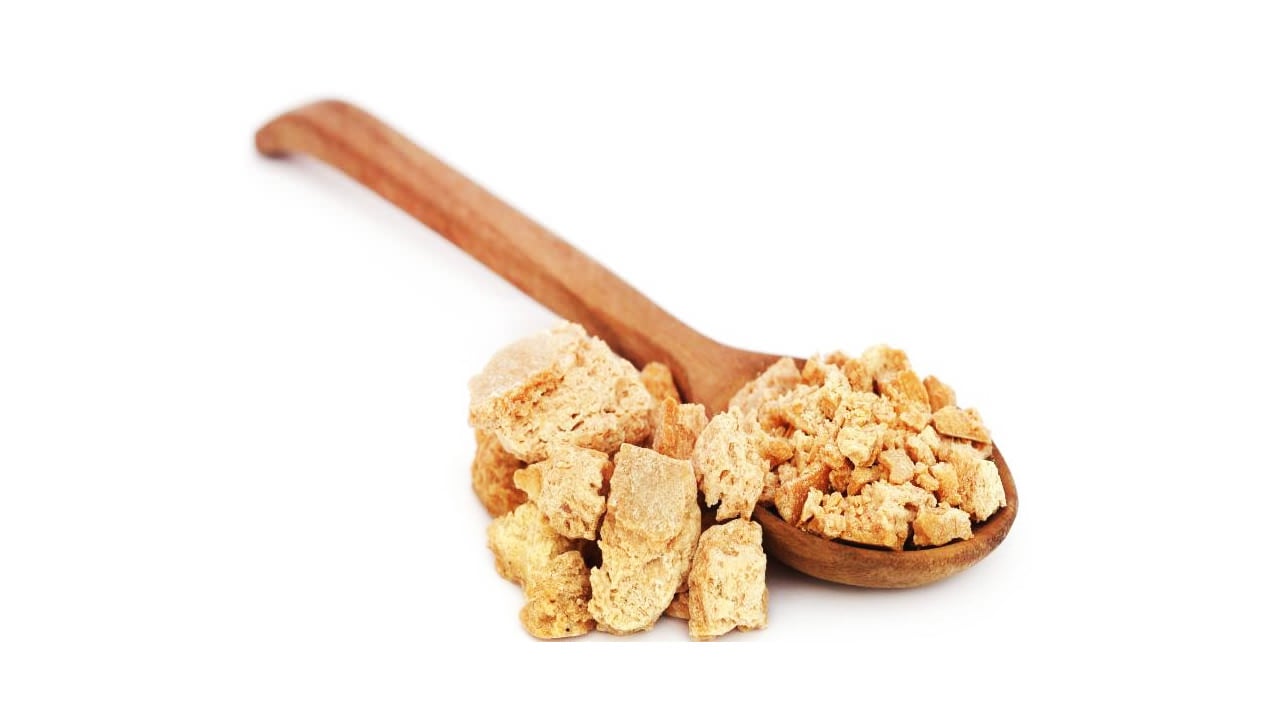
Asafoetida — also spelled asafetida and widely known by its Hindi name hing — is a dried gum resin extracted from the roots of a tall perennial plant in the carrot family. For centuries it has been indispensable in the kitchens of India and Iran, adding a deep savory intensity to dishes that few other spices can replicate. Its reputation is contradictory: raw asafoetida smells aggressively sulfurous, yet when cooked in hot oil for even a few seconds, that sharpness softens into a flavour remarkably close to roasted onion and garlic.
What is asafoetida and where does it come from?
Asafoetida is obtained primarily from Ferula assa-foetida, a member of the Apiaceae family — the same botanical family as fennel, coriander, and black pepper. The plant grows across arid highlands, particularly in Iran, Afghanistan, and the western Himalayas, where it can reach up to two metres in height. The entire plant is edible: the tender inner stem is eaten as a fresh vegetable in the regions where it grows, and the leaves are used as a herb.
The commercially valuable part is produced by wounding the plant at the root. After around four years of growth, the stem is cut close to the ground. A milky white latex flows from the cut surface and quickly solidifies into a resinous mass. Fresh asafoetida is pearlescent and translucent, but it darkens rapidly on exposure to air — turning pink and eventually reddish brown. This hardened resin is what reaches spice markets around the world.
What does asafoetida taste like, and how is it used in cooking?
Raw asafoetida is acrid and intensely pungent, driven by organic sulfur compounds similar to those in onions and garlic. In cooking, it is almost never used raw. The standard technique — called tadka or tempering in South Asian cuisine — involves adding a small pinch of asafoetida to hot oil or ghee at the very start of cooking, allowing the heat to mellow and transform it before other ingredients are added.
The spice is widely used to flavour:
- Lentil dishes, dried-bean curries, and vegetable preparations across India
- Meatballs and slow-cooked lamb dishes in Iranian cuisine
- Pickles and chutneys, where it acts as a preserving agent and flavour deepener
- Asafoetida is said to enhance umami — the savory "fifth taste" — making it particularly useful in vegetarian recipes that need extra depth
Because it mimics the effect of alliums, asafoetida is also the go-to substitute for onion and garlic in the diets of Jain and certain Brahmin communities, where those vegetables are avoided on religious grounds.
What form does asafoetida come in, and how should it be stored?
Commercial asafoetida is almost always sold in powdered form rather than as pure resin. The powder is typically compounded with wheat flour or rice flour to dilute its intensity, improve its flow, and extend shelf life. Pure resin lumps are available from specialist suppliers but require more careful handling.
A few practical storage tips:
- Keep powdered asafoetida in an airtight, sealed container — its odour is persistent and will permeate other spices if left open.
- Store away from direct light and heat to preserve the volatile sulfur compounds that give it flavour.
- Quantities used in recipes are very small — typically a pinch (around a quarter teaspoon or less per dish) — so even a small tin lasts a considerable time.
What are the traditional medicinal uses of asafoetida?
Across Ayurvedic and Unani medical traditions, asafoetida has a long record of use as a therapeutic agent. It is most commonly cited as a digestive aid: practitioners have traditionally prescribed it to relieve bloating, flatulence, and intestinal spasms. This aligns with modern observations that the sulfur compounds in asafoetida may have anti-spasmodic properties that help relax the smooth muscle of the gut.
Other historical applications include use as an expectorant for respiratory complaints, a remedy for menstrual irregularities and cramps, and a topical antiseptic in some folk traditions. Ayurvedic formulations sometimes combine asafoetida with other resinous compounds — including guggulu-based preparations — to address joint and digestive conditions.
It is important to note that these traditional uses are not a substitute for professional medical advice, and research into asafoetida's clinical efficacy is still developing. Pregnant women are typically advised to avoid medicinal doses of asafoetida.
How does asafoetida fit into Sri Lankan cooking?
In Sri Lanka, asafoetida (known locally as perumkayam in Tamil, reflecting long-standing trade links with South India) appears mainly in Tamil community cooking and in certain Ayurvedic kitchen preparations rather than in mainstream Sinhala cuisine. It is found in select spice blends and in some lentil-based dishes influenced by South Indian traditions. Sri Lanka's extraordinarily rich spice culture — which extends from cloves and cinnamon to an array of lesser-known botanicals — has historically incorporated asafoetida as an imported ingredient through trade networks that linked the island to the Indian subcontinent and the Persian Gulf.
How is asafoetida different from similar spices?
| Spice | Plant family | Primary flavour note | Typical use |
|---|---|---|---|
| Asafoetida (hing) | Apiaceae | Sulfurous, onion-like, umami | Tempering oil, lentil dishes, pickles |
| Galangal | Zingiberaceae | Peppery, citrusy, piney | Curries, soups, marinades |
| Fenugreek | Fabaceae | Bitter, maple-like | Curry powders, bread, pickles |
| Turmeric | Zingiberaceae | Earthy, mildly bitter | Colour and base flavour in most South Asian curries |
Is asafoetida safe for everyone?
At the small quantities used in cooking, asafoetida is generally considered safe for most adults. People with bleeding disorders should exercise caution, as it may have mild blood-thinning properties. Those with wheat intolerance or coeliac disease should check the label carefully, since most commercial powders contain wheat flour as a carrier. As noted above, medicinal-dose use during pregnancy is not recommended in traditional Ayurvedic guidelines.