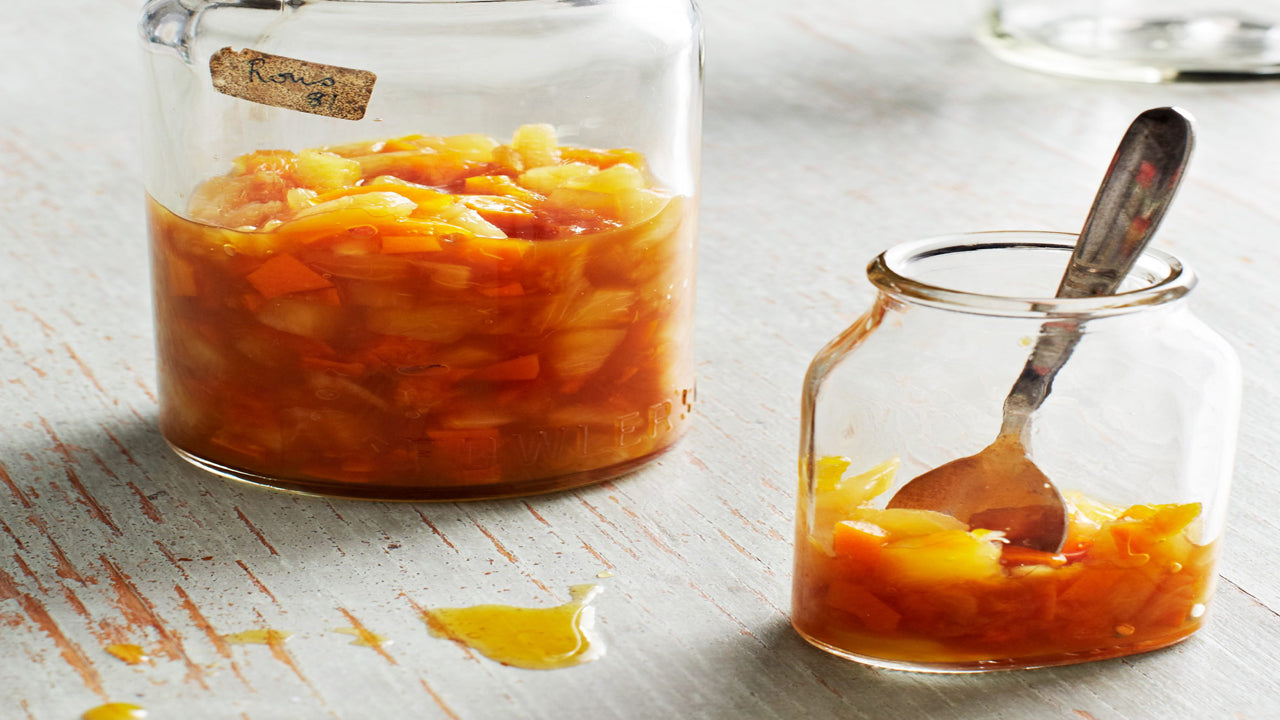
Ananas comosus, the botanical name for the common pineapple, is one of Sri Lanka's commercially significant tropical fruits. Grown across the low country wet and intermediate zones, it feeds both fresh-fruit markets and a range of processed goods — jams, cordials, chutneys, and canned products — that form a meaningful part of the island's agricultural export basket.
Where Does Pineapple Grow in Sri Lanka?
Pineapple cultivation in Sri Lanka is concentrated in the low country wet zone and the low country intermediate zone, where rainfall and temperature align closely with the crop's requirements. The fruit thrives at annual rainfall levels of roughly 500–3,000 mm and temperatures between 24°C and 32°C. Well-drained sandy loam soils with a slightly acidic pH of 5–6 are considered optimal. Heavier or waterlogged soils encourage root disease and are best avoided entirely.
Districts such as Kurunegala, Gampaha, and parts of the Southern Province have historically supported commercial pineapple farming alongside other tropical crops like coconut (Cocos nucifera). Smallholder plots account for a large share of total production.
How Is Land Prepared for Pineapple Cultivation?
Basic land preparation follows the same principles used for most annual tropical crops — clearing, deep ploughing, and levelling. Trenches approximately 20 cm wide and 20 cm deep are then dug to receive planting material. Proper drainage channels are prepared alongside the beds, as standing water around the root zone is one of the leading causes of early crop failure.
What Planting Material Is Used for Pineapple?
Two broad categories of planting material are used commercially: suckers (vegetative offshoots from the parent plant) and tissue-culture plants produced under laboratory conditions. Tissue-culture planting has gained ground in recent years because it delivers disease-free, uniform seedlings — an advantage when managing large blocks.
Suckers themselves come in four forms, each with a different time to natural flowering:
| Sucker Type | Time to Natural Flowering (months) |
|---|---|
| Root suckers | 12–14 |
| Axillary suckers | 12–14 |
| Slips | 14–16 |
| Crown | 18–20 |
Crowns — the leafy tops removed after harvest — are sometimes used for commercial cultivation. Because they take the longest to flower, growers often compensate with foliar fertiliser applications starting two weeks after planting, repeated at two-week intervals for up to two months.
How Are Suckers Planted?
Suckers are placed into the prepared trenches and soil is mounded around the base, covering roughly 10–15 cm of the sucker's stem. Planting too deep is a common mistake that restricts the developing root system and increases the risk of crown rot. Uniform planting depth across a block also helps synchronise harvest timing, which matters when supplying processing facilities or export buyers.
What Fertiliser Programme Suits Pineapple?
For root and axillary sucker plots, fertiliser application and general cultural practices follow standard local recommendations for tropical fruit crops. Crown-grown plots receive additional foliar feeding during the establishment phase, as described above, before transitioning to the same soil-applied schedule used for sucker cultivation. Soil testing before planting is good practice to confirm that pH and nutrient levels fall within the preferred range.
What Diseases and Pests Affect Pineapple in Sri Lanka?
Several pests and pathogens can reduce yields significantly if left unmanaged. The most common problems encountered by Sri Lankan growers include:
- Mealybugs — the primary insect vector, which can also transmit pineapple wilt virus through their feeding activity.
- Pineapple wilt — a virus-associated condition spread largely by mealybugs, causing leaf discolouration and gradual plant collapse.
- Crown rot and root rot — fungal and bacterial infections that enter through wounds or waterlogged soil.
- Fruit rot — typically beginning at the fruit's base where the stem joins, and often linked to poor post-harvest handling.
How Can You Identify Disease in a Pineapple Crop?
Early diagnosis improves management outcomes considerably. Key symptoms to look for include:
- Leaves shifting from healthy green to shades of red, yellow, or pink — a classic sign of wilt or nutrient stress.
- A dead or deteriorated root system; affected plants can often be pulled from the ground with almost no resistance.
- Soft, discoloured tissue spreading upward from the base of the fruit, indicating fruit rot in progress.
How Are Pineapple Diseases Controlled?
Prevention is considerably more cost-effective than treatment once disease takes hold. Recommended control measures include:
- Avoiding excessively deep planting of suckers, which traps moisture around the crown.
- Selecting well-drained planting sites and constructing adequate drainage infrastructure before establishment.
- Using only healthy, visually disease-free suckers or certified tissue-culture plants as planting material.
- After harvest, dipping cut stems in a 5% sodium bicarbonate solution to suppress post-harvest fungal development.
Integrated pest management — combining cultural controls, site selection, and targeted use of approved pesticides where mealybug pressure is high — gives the most sustainable long-term results.
What Value-Added Products Are Made from Sri Lankan Pineapple?
Beyond fresh-fruit sales, Sri Lankan processors convert pineapple into a range of shelf-stable products: jams, cordials, chutneys, and canned slices or chunks destined for both domestic supermarkets and export markets. The fruit's natural acidity and high sugar content make it particularly well-suited to preservation, and the cordial industry remains an important buyer for fruit that does not meet fresh-market size or cosmetic standards.
Small-scale agri-tourism experiences — where visitors tour a working fruit farm and sample fresh and processed products — have grown in popularity alongside Sri Lanka's broader rural tourism sector. Destinations like Midigama Fruit Farm offer a hands-on introduction to tropical fruit cultivation for travellers interested in Sri Lanka's agricultural heritage.