Ahungalla Beach sits on the southwestern coast of Sri Lanka, roughly midway between Colombo and Galle in the Galle District. Unlike the busier resort strips to the north and south, it has retained a genuinely unhurried character — wide, palm-fringed sands, a clean shoreline, and a pace that suits travelers who would rather watch the light shift across the Indian Ocean than queue for a sunlounger.
What is Ahungalla Beach like?
The beach extends for several kilometres without the density of beach vendors or watersports touts that you find at more commercial stretches of the coast. The sand is a warm golden tone, the waters are generally calm during the southwest monsoon's off-season (roughly November to April), and the treeline is thick enough to provide shade in the afternoon. Boutique hotels and a handful of larger resorts are set back from the shore, giving the beach itself an open, uncrowded feel.
Swimmers should be mindful of seasonal currents — the sea is most welcoming from November through to early April. During the southwest monsoon (May to October), waves can be strong and currents unpredictable; at that time the beach is better suited to walks and photography than swimming.
What can you do at Ahungalla Beach?
The beach rewards low-key activities above all else: early-morning walks when the sand is cool, late-afternoon sunsets that turn the horizon a deep amber, and unhurried swims in calm water. Snorkelers will find some coral formations in the shallower areas, though Ahungalla is not a dedicated dive site.
- Sunbathing and beach walks: The uncluttered shoreline is the main draw. Sunrise from the beach, with coconut palms silhouetted against the sky, is particularly rewarding.
- Snorkeling: Coral patches close to shore support modest marine life. Bring your own mask and fins, or ask your resort; rental options in the area are limited.
- Boat excursions: Local fishermen sometimes offer short boat rides along the coast, giving a different perspective on the shoreline and the possibility of spotting dolphins offshore.
- Turtle watching: The coastline around Ahungalla is part of the broader nesting zone for several marine turtle species. The nearby Kosgoda Sea Turtle Conservation Project runs a hatchery a short drive north and is one of the most reputable turtle protection initiatives on the island.
What day trips can you take from Ahungalla?
Ahungalla's position on the coastal highway makes it a practical base for exploring the southwestern region. Most of the attractions below are within an hour by road.
| Attraction | Approximate distance | Type |
|---|---|---|
| Kosgoda Turtle Hatchery | ~10 km north | Conservation site |
| Madu River Safari | ~15 km north | Boat safari, nature |
| Bentota Beach & Water Sports | ~15 km north | Beach, activities |
| Galle Fort (UNESCO World Heritage Site) | ~45 km south | Heritage, culture |
| Galle City Tour | ~45 km south | Guided sightseeing |
| Brief Garden, Beruwela | ~25 km north | Garden, heritage |
The Madu River Safari — a boat journey through a maze of mangrove-fringed islands on the Madu Ganga lagoon — is the most popular half-day excursion from this stretch of coast. Cinnamon gardens, fish therapy pools, and a Buddhist temple on a river island are typical highlights of the route.
How do I get to Ahungalla from Colombo?
Ahungalla is approximately 90 km south of Colombo along the Southern Expressway (E01) or the older coastal A2 highway. The expressway cuts journey time to around 90 minutes; the coastal road takes longer but passes through Kalutara, Bentota, and several scenic stretches worth seeing. Trained private drivers familiar with the route can be arranged through Lakpura for a door-to-door transfer from Colombo's Bandaranaike International Airport or from your Colombo hotel.
The train from Colombo Fort to Ahungalla is a slower but atmospheric option; the coastal railway line runs along the seafront for much of its route. Check the Sri Lanka Railways timetable before travel, as service frequency varies.
When is the best time to visit Ahungalla Beach?
November to April is the prime season for the southwestern coast. During these months, the skies are mostly clear, sea conditions are calm, and the risk of rain is lowest. December and January see the highest visitor numbers across the region, so accommodation at Ahungalla's smaller properties can fill quickly — booking ahead is advisable.
May through October brings the southwest monsoon. Rain can be heavy and intermittent, and the sea is unsuitable for swimming on many days. However, room rates drop noticeably, the beach is quieter, and the surrounding landscape turns a vivid green. Travelers who don't mind occasional showers sometimes prefer this period for its solitude and lower costs.
Where should I stay at Ahungalla Beach?
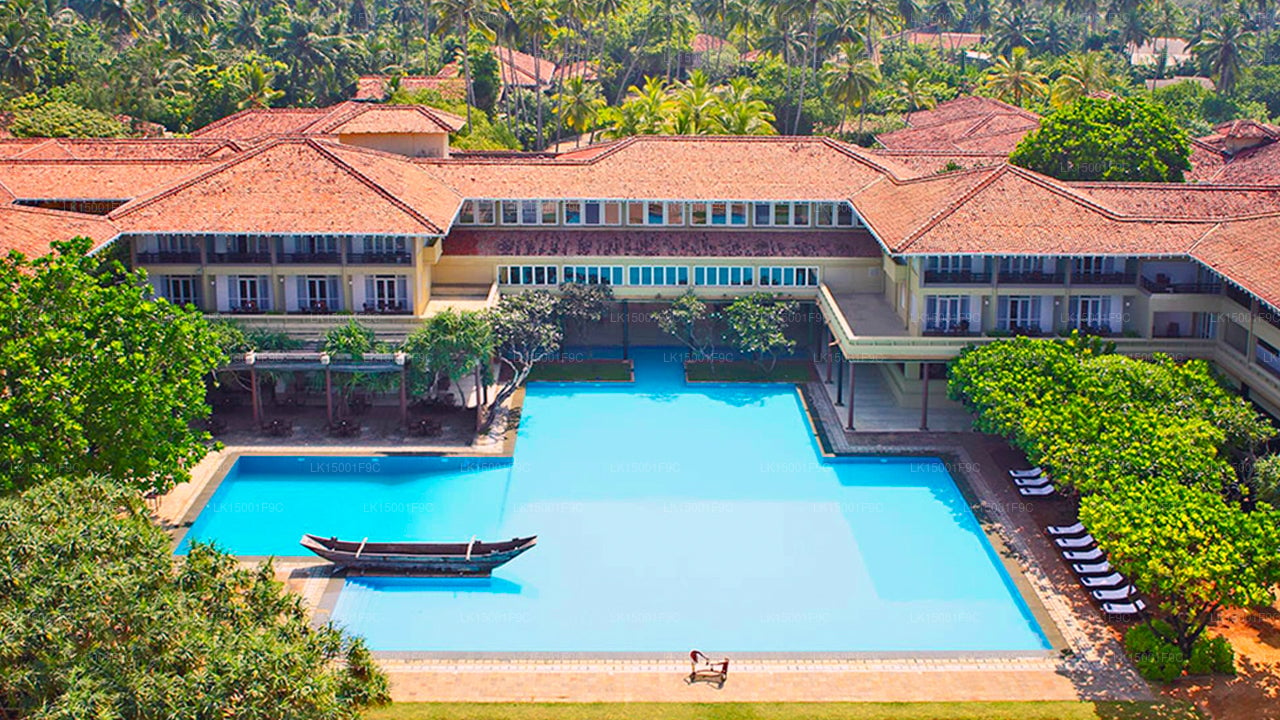
Ahungalla has a range of accommodation, from large resort hotels with pools and spa facilities to smaller guesthouses run by local families. The most prominent property is Heritance Ahungalla, a Geoffrey Bawa-designed resort that sits directly on the beach and is considered an architectural landmark in its own right. For travelers seeking a more immersive, nature-focused experience, Jungle Beach Camp is another option on this stretch of coast, accessible from Colombo airport by private transfer.
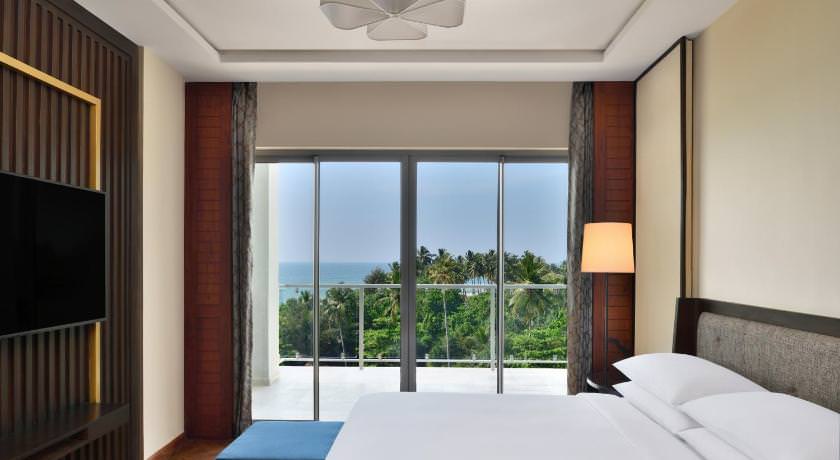
Most resorts along Ahungalla are set within lush gardens that slope toward the shoreline. Ask about room categories carefully — beachfront or ocean-facing rooms command a premium, while garden-view rooms can be significantly more affordable.
Is Ahungalla suitable for families?
During the calm season (November to April), Ahungalla is well suited to families. The beach shelves gradually in some sections, and the absence of heavy watersports activity keeps the immediate shoreline relatively peaceful. The turtle hatchery at Kosgoda is a genuinely engaging experience for children, who can observe hatchlings being cared for before their release. The Madu River Safari is another family-friendly excursion that appeals to most age groups.
Families should note that the beach does not have lifeguards on duty at most points, so children should be supervised in the water at all times, even in calm conditions.
Nearby places
8 places within about 25 km, nearest first.
- Ahungalla Cityunder 1 km
- Andadola Railway Station2 km
- Madhuwa Bridge2 km
- Madu Ganga2 km
- Piyagama Railway Station3 km
- Ahungalle Railway Station4 km
- Madu Ganga4 km
- Balapitiya City5 km
Related reading
2 pages on closely related subjects.