The Burghers are a distinct ethnic community in Sri Lanka with roots in the island's colonial past. Descended from European settlers — primarily Portuguese, Dutch, and British — who intermarried with local women over several centuries, the Burgher community represents one of the more nuanced expressions of Sri Lanka's layered social history. Though small in number today, their contributions to the island's culture, law, cuisine, and literature have been disproportionately significant.
Who are the Sri Lankan Burgher people?
The term "Burgher" in Sri Lanka refers broadly to persons of mixed European and Asian descent whose ancestry is traceable to colonial-era settlers. The community is generally divided into two main groups: the Dutch Burghers, descended from the Dutch colonial period, and the Portuguese Burghers (sometimes called Mechanics), descended from earlier Portuguese settlers. A smaller number trace their lineage to British administrators and soldiers who settled permanently on the island.
The Dutch Burgher Union of Ceylon, founded in 1908, formalized the community's identity and continues to maintain records of genealogy and cultural heritage. Membership historically required documented descent from Dutch settlers, though the broader Burgher identity has always been more fluid in practice.
What is the historical background of the Burgher community?
The Portuguese were the first Europeans to establish sustained contact with Sri Lanka, arriving in 1505 and eventually controlling the island's western and southern maritime provinces. Their presence introduced Catholicism, new culinary ingredients, and architectural forms that left a lasting mark on coastal communities.
The Dutch displaced the Portuguese through the mid-17th century, taking control of the maritime provinces by 1658. Dutch rule lasted until the late 18th century and brought a different kind of institutional influence — a Roman-Dutch legal framework, canal systems, and fortified trading posts. The Dutch Fort in Negombo is one of the more visible surviving remnants of this era. Dutch settlers intermarried more extensively with local women than the Portuguese had done before them, and it is this group whose descendants form the core of what became the Burgher identity.
When the British assumed control of the island — declared a Crown Colony in 1815 — many Dutch-descended families who maintained strong ties to the Netherlands chose to emigrate. Those who remained gradually adopted English as their primary language and integrated British cultural norms alongside the Dutch and Portuguese heritage they already carried. By the 19th century, this synthesis had produced a community that was neither entirely European nor entirely local, but something genuinely its own.
What role did Burghers play in colonial Sri Lankan society?
Throughout the 19th and early 20th centuries, the Burgher community occupied a prominent position in the island's professional and administrative life. Their fluency in English, combined with European educational traditions, made them well suited to roles in the colonial civil service, law, medicine, and commerce. They served as an effective intermediary class between British administrators and the broader population.
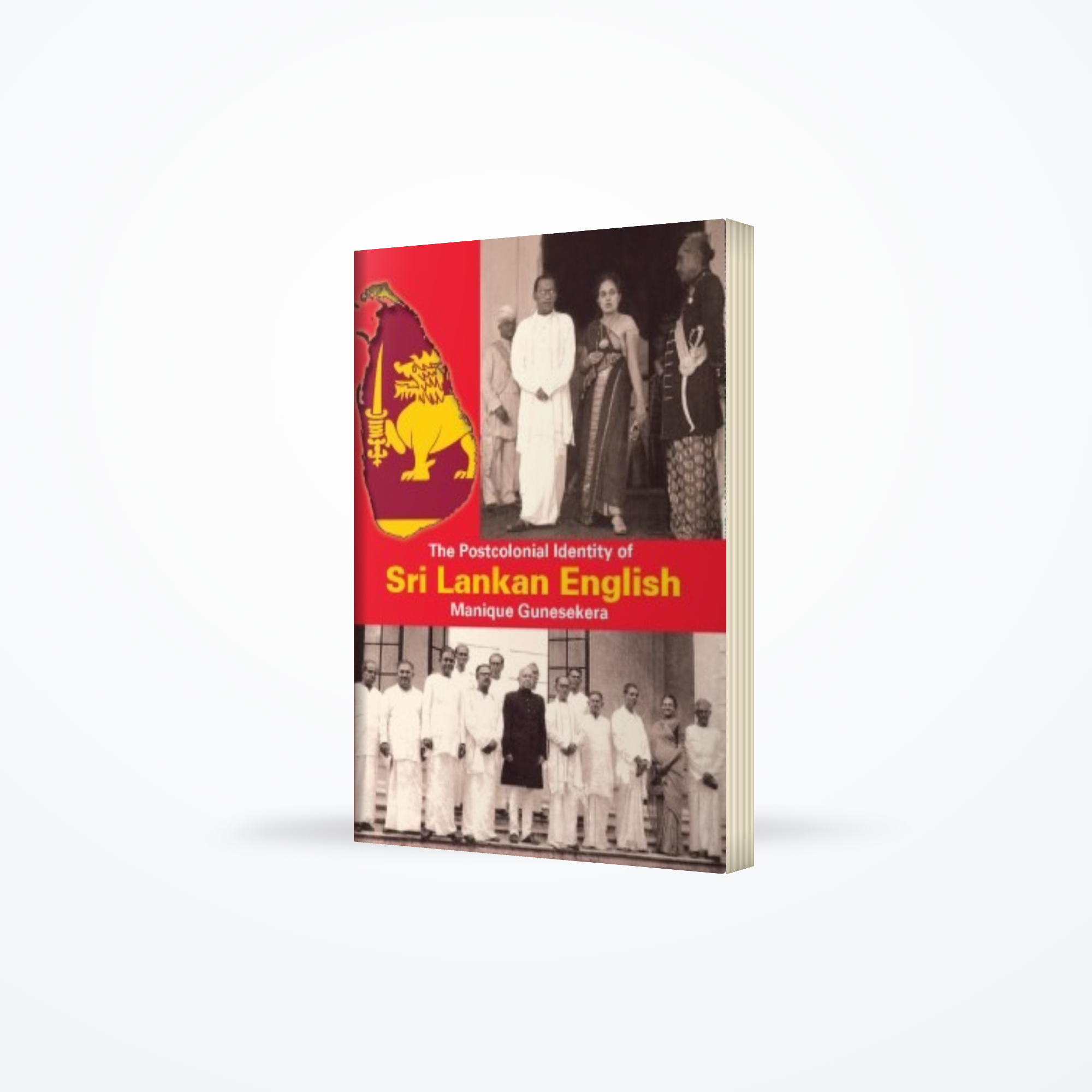
Their influence extended into the arts. Burgher writers, musicians, and intellectuals contributed meaningfully to the literary culture of Ceylon, particularly in English-language fiction and journalism. The postcolonial body of Sri Lankan English literature owes a notable debt to Burgher authors who navigated questions of identity, belonging, and hybridity decades before those themes entered mainstream discourse.
What are the cultural traditions of Sri Lankan Burghers?
Burgher culture is best understood as a living synthesis rather than a fixed set of customs. European traditions were adapted to a tropical environment and blended with local practice across generations. A few areas stand out:
- Cuisine: Burgher cooking is one of the community's most celebrated contributions to Sri Lankan food culture. Dishes such as kokis — a crisp, oil-fried snack believed to be of Dutch origin — and breudher (a spiced yeast cake traditionally baked at Christmas) sit alongside rice and curry on Burgher tables. Lamprais, a Dutch-derived preparation of rice, meats, and accompaniments baked in a banana leaf, remains closely associated with the community and is widely available across Sri Lanka today.
- Festivals: Christmas and Easter are observed with particular warmth in Burgher households, reflecting the community's predominantly Christian heritage. Many families also observe Sinhala and Tamil New Year traditions, illustrating how deeply the community is embedded in the broader island culture.
- Music and dance: Western classical music found early patronage among Burgher families, and the community produced a number of notable musicians and performers during the colonial and early independence periods.
What languages and religions do Burghers follow?
English has historically been the primary home language for most Burgher families, a legacy of the British colonial period and the community's role in the colonial administration. Many Burghers also speak Sinhala, and a smaller number speak Tamil, reflecting intermarriage with both major ethnic groups over generations.
The majority of Burghers are Christian — both Roman Catholic (with roots in the Portuguese period) and Protestant, particularly Dutch Reformed and Anglican (reflecting Dutch and British influence respectively). However, intermarriage over centuries has also brought Buddhist and Hindu practice into some Burgher families, making the community's religious profile genuinely diverse.
Where do Sri Lankan Burghers live today?
The Burgher population in Sri Lanka declined significantly during the second half of the 20th century. The Official Language Act of 1956, which elevated Sinhala to the sole official language, removed much of the administrative advantage that English-speaking communities had enjoyed. Many Burgher families emigrated in subsequent decades, with Australia, Canada, and the United Kingdom receiving the largest numbers.
Those who remained — and their descendants — continue to live primarily in Colombo and other urban centres. The Dutch Burgher Union still operates in Colombo, maintaining archives, hosting cultural events, and publishing genealogical records. Smaller Burgher communities have historically been present in Galle, Kandy, and Negombo, towns where colonial-era infrastructure remains most visible.
How has Burgher heritage influenced Sri Lankan culture more broadly?
The Burgher contribution to Sri Lankan life is most clearly visible in three areas. First, the Roman-Dutch legal tradition introduced during the Dutch colonial period formed the basis of Sri Lanka's personal property law and remains embedded in the legal system to this day. Second, Burgher cuisine — particularly lamprais and kokis — has been absorbed into the wider Sri Lankan food culture and is enjoyed across ethnic boundaries. Third, the community's early embrace of English-language education helped establish several of the island's leading schools and laid groundwork for a Sri Lankan literary tradition in English that continues to receive international recognition.
Efforts to document and preserve Burgher heritage are ongoing. Community organizations, genealogical publications, and cultural associations work to ensure that the history of this relatively small community is not lost as the diaspora grows and the population on the island continues to age.
What can travellers discover about Burgher heritage in Sri Lanka?
For visitors with an interest in the island's colonial history, several experiences connect directly to the Burgher story. The Dutch-built fortifications and canal systems of Negombo and Galle reflect the architectural period during which many Burgher ancestral lines were established. A Galle city tour takes in the UNESCO-listed Dutch fort and surrounding streets where colonial-era buildings still stand. In Colombo, the Wolvendaal Church — a Dutch Reformed church consecrated in 1757 — remains one of the oldest Protestant churches in Asia and a meaningful landmark for Dutch Burgher heritage.
Culinary tourism offers another avenue. Lamprais is available at a number of established Colombo restaurants, and several heritage properties host cooking demonstrations that include traditional Burgher recipes alongside broader Sri Lankan cuisine.
Related reading
5 pages on closely related subjects.