


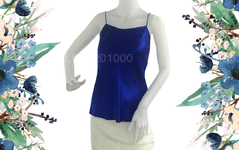

Silk has been prized for thousands of years, and its reputation has not diminished with the rise of synthetic alternatives. Produced by the silkworm Bombyx mori as it spins its cocoon, silk is a continuous protein filament of extraordinary fineness. That biological origin gives it a combination of properties no engineered fibre has yet fully replicated — which is why it remains the benchmark against which all other textiles are measured.
What makes silk different from other natural fibres?
Silk's distinguishing characteristic is its molecular structure. The filament is composed primarily of fibroin, a structural protein, sheathed in sericin, a gummy binding protein removed during processing. The resulting triangular cross-section acts like a tiny prism, scattering light to create the characteristic lustre that is unmistakably silk. Cotton, linen, and wool fibres are all far more irregular in cross-section, which is why they produce a matte or diffuse sheen at best.
Beyond appearance, silk is the strongest natural fibre by weight. A single silk thread can bear a load comparable, gram for gram, to mild steel — a fact that has driven its use in parachutes and medical sutures as well as in clothing.
Is silk genuinely hypoallergenic?
Yes, and the reason is structural rather than chemical. Silk's protein composition is close enough to human skin proteins that the immune system rarely mounts a reaction to it. Unlike wool, silk contains no lanolin, and unlike synthetic fabrics, it does not generate static charge that attracts dust mites and other allergens. People with sensitive skin, eczema, or contact allergies frequently find silk the only fabric they can wear comfortably directly against the body.
It is worth noting that some individuals react to residual sericin in poorly processed silk — a quality issue, not an inherent property of the fibre itself. Well-scoured, high-grade silk is genuinely among the most skin-friendly textiles available.
How does silk regulate body temperature?
Silk is an all-season fabric in a way that sounds paradoxical until you understand the mechanism. The fibre is a poor conductor of heat, which means it traps a thin layer of insulating air next to the skin in cool conditions. In warm conditions, silk's high absorbency — it can take up roughly 30 percent of its own weight in moisture without feeling damp — draws perspiration away from the skin, where it evaporates and cools the wearer. The result is a fabric that keeps you warmer in winter and cooler in summer than its light weight would suggest possible.
Worn as a base layer under heavier clothing, silk adds meaningful warmth without bulk, making it a practical choice for travellers who need to pack light across variable climates.
How strong and durable is silk in everyday use?
Despite its delicate appearance, silk is more resilient than most people expect. Its smooth surface offers reasonable resistance to soiling and odours, and it responds well to gentle washing. The main vulnerability is abrasion: repeated friction — from rough seams, overwashing, or tumble drying — breaks down the filament faster than heat or moisture alone would. For this reason, silk garments and textiles last longest when hand-washed in cool water with a mild detergent and dried flat, away from direct sunlight.
Chlorine bleach and enzyme-based detergents are genuinely damaging to the protein structure; avoid both. With correct care, a quality silk garment should retain its hand and lustre for many years.
What are the main types of silk fabric?
Not all silk cloth is the same. The weave structure and yarn preparation determine the final character of the fabric:
- Charmeuse — a lightweight, satin-weave silk with a highly reflective face and a matte reverse; commonly used for lingerie and eveningwear.
- Chiffon — a plain-weave, sheer fabric with a slightly rough texture from tightly twisted yarns; used in layered garments and scarves.
- Dupioni — woven from two threads simultaneously thrown in the weft, producing an irregular slub and a crisp, textured handle.
- Habotai (China silk) — a lightweight, plain-weave fabric with a soft, smooth hand; a versatile all-purpose silk.
- Raw silk / Noil — made from shorter broken filaments combed out during processing; produces a heavier, matte fabric with a slight nub.
- Velvet — a cut-pile weave that creates a dense, soft surface; silk velvet is among the most luxurious upholstery and garment fabrics.
How does silk take dye compared to other fabrics?
Silk accepts dye with exceptional affinity. The protein structure bonds readily with acid dyes and natural plant dyes alike, producing colours that are notably saturated and clear. Traditional textile cultures across Asia — from Kashmiri pashmina weavers to Cambodian ikat artisans — have exploited this property for centuries to achieve palette depths not easily replicated on cotton or synthetic alternatives.
The flip side is that silk is susceptible to fading from prolonged UV exposure, which is why silk garments and furnishings should be kept out of direct sunlight when stored or displayed.
Can silk be blended with other fibres?
Silk blends well with a wide range of other fibres, both natural and synthetic. Cotton-silk blends combine silk's lustre and drape with cotton's washability. Wool-silk blends add warmth and softness while reducing the scratchiness that some people associate with pure wool. Linen-silk blends retain linen's natural texture while gaining a degree of elegance and suppleness from the silk component. In each case the blend modifies the performance of both constituents, so the exact ratio matters when evaluating a blended fabric for a specific end use.
Where is silk produced today?
China and India together account for the great majority of global raw silk production. China dominates volume, while India — particularly the states of Karnataka, West Bengal, and Andhra Pradesh — is known for traditional varieties including Mysore silk and Kanchipuram silk. Smaller but significant industries operate in Uzbekistan, Brazil, Thailand, and Vietnam. The Food and Agriculture Organization of the United Nations tracks global sericulture output and notes that demand for silk has remained resilient despite competition from microfibre synthetics, partly because no synthetic fully replicates silk's hand and thermal properties.
Sri Lanka has a modest but growing artisan silk-weaving tradition, with hand-loom operations producing fabric for the domestic luxury and export markets.
How should I care for silk garments when travelling?
Silk is well-suited to travel because it is lightweight, packs with minimal wrinkling compared to linen, and dries quickly after washing. A few practical guidelines extend garment life on the road:
- Hand-wash in cool water with a pH-neutral soap; do not wring.
- Roll the garment in a clean dry towel to absorb excess water, then lay flat to dry.
- Iron on the reverse side while still slightly damp, using a low setting and a pressing cloth.
- Store away from direct light; fold rather than hang for longer-term storage to avoid stretch marks at the shoulders.


