Madu Ganga is one of Sri Lanka's most ecologically significant coastal wetlands, stretching across a quiet stretch of the southwestern coast between Colombo and Galle. Though modest in length — the river runs just 4.4 km from the lake's mouth to the Indian Ocean — the system it supports is far larger in ecological and cultural terms. Declared a Ramsar Wetland of International Importance in 2003, Madu Ganga draws naturalists, photographers, and culturally curious travellers who want something more layered than a standard beach visit.
Where is Madu Ganga?
The river originates near Uragasmanhandiya in the Galle District and widens into Madu Ganga Lake at Balapitiya, a small coastal town on the Southern Expressway corridor. The wetland sits approximately 88 km south of Colombo and 35 km north of Galle, placing it within comfortable day-trip range of both cities. Together with the adjacent Randombe Lake — connected to Madu Ganga by two narrow tidal channels — it forms a continuous coastal wetland system of considerable size.
What makes Madu Ganga ecologically important?
The wetland supports around 303 plant species from 95 families and 248 vertebrate species, making it one of the most biodiverse estuarine ecosystems in Sri Lanka. Its mangrove forests — a mix of true mangroves and associated species — provide critical nursery habitat for fish and crustaceans that sustain local fishing communities. The estuary's brackish lagoon, shifting channels, and mangrove islets create a mosaic of microhabitats rare on the island's southwestern coast.
Birdwatchers find particular reward here. The wetland hosts resident and migratory waterbirds including various kingfisher species, purple herons, and cormorants. Saltwater crocodiles are also present — crocodile watching is a recognised activity along certain river stretches — and monitor lizards are commonly spotted basking on exposed roots during dry periods.
What is the Kothduwa Temple?
Rising from one of the lake's isolated islands, the Kothduwa Raja Maha Viharaya is a working Buddhist temple accessible only by boat. It is one of Madu Ganga's most visited landmarks and lends the wetland a cultural dimension that few Sri Lankan nature reserves can match. Visitors arriving by river boat typically stop here as part of a guided circuit of the lake.
The site carries deeper historical weight as well. In 1803, the Buddhist Amarapura Nikaya sect conducted its first upasampada — the higher ordination ceremony for monks — on a fleet of boats anchored on these waters. That event marked a significant turning point in Sri Lankan Buddhist history, and Kothduwa remains a place of active religious observance to this day.
What can you do on a Madu Ganga river safari?
The standard way to explore the wetland is by motorised or hand-paddled boat, typically departing from Balapitiya or nearby jetties. A Madu River Safari usually covers the following:
- Mangrove channel navigation — narrow passages lined with arching roots, where light filters through the canopy overhead.
- Kothduwa Temple visit — a short stop at the island temple, with time to observe the resident monks and the resident fruit bats in the surrounding trees.
- Cinnamon island demonstration — local families on several islets peel and process cinnamon bark and distil cinnamon oil using traditional methods; boat tours often include a brief demonstration.
- Fish therapy pools — certain operators offer a stop at floating platforms where small fish nibble at feet, a popular if informal addition to the route.
- Wildlife observation — monitor lizards, water monitors, kingfishers, and — less reliably — crocodiles and otters.
Trips typically last between one and two hours depending on the route. Early morning departures offer the best light for photography and the highest chance of birdlife activity.
What is cinnamon's connection to Madu Ganga?
The inhabitants of several lake islands have cultivated and processed cinnamon for generations. True Ceylon cinnamon — Cinnamomum verum — is native to Sri Lanka's southwestern low country, and the Balapitiya area sits squarely within the traditional cinnamon belt. Families on the islets produce hand-peeled cinnamon quills and extract cinnamon oil, skills passed through successive generations. Purchasing directly from island producers supports these small household economies.
When is the best time to visit Madu Ganga?
The southwestern coast experiences its main monsoon between May and September, bringing heavy rain and occasionally choppy conditions on the lake. The driest and most comfortable period for a river safari runs from November through April, when skies are generally clear and the water is calm. Morning visits year-round tend to be quieter and more atmospheric than afternoon trips, when boat traffic increases.
How do I get to Madu Ganga from Colombo?
Balapitiya is the nearest town to the main boat jetties. By road via the Southern Expressway (E01), the journey from Colombo takes around 90 minutes. By train on the coastal line, Balapitiya has its own station, with services running from Colombo Fort; the journey takes roughly two hours but offers attractive coastal scenery. Organised day tours from Colombo, Galle, or Hikkaduwa typically include return transport and a guided boat circuit.
Can Madu Ganga be combined with other nearby attractions?
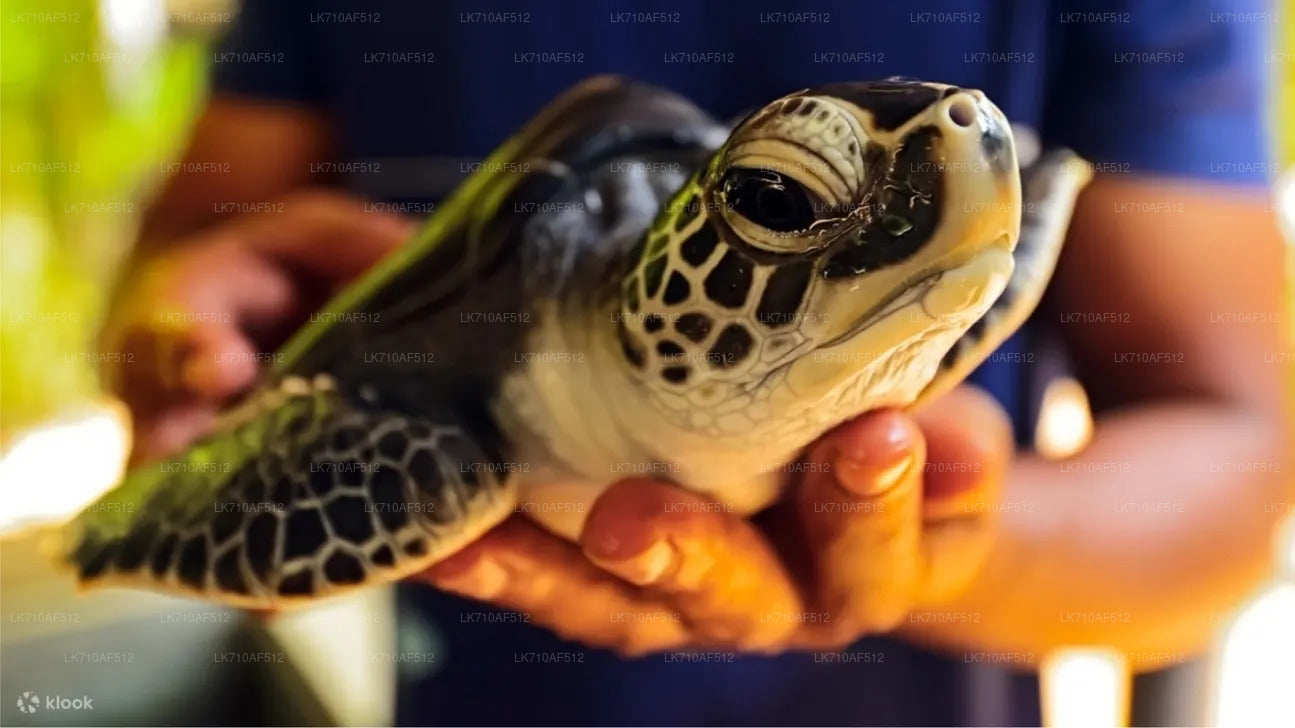
Yes — the wetland pairs naturally with several other experiences along the southwestern coast. The Kosgoda Sea Turtle Conservation Project lies just a short drive north and makes a logical add-on for wildlife-focused visitors. The colonial Galle Fort and the surf beaches around Hikkaduwa are both within 40 km to the south. Travellers continuing inland can reach the Sinharaja Forest Reserve — Sri Lanka's UNESCO-listed rainforest — in around two to three hours from Balapitiya.
Is the Madu Ganga wetland protected?
The wetland carries dual protection. Its designation under the Ramsar Convention — formalised in 2003 — obliges Sri Lanka to maintain the ecological character of the site. Portions of the wetland also fall under national environmental protection legislation administered by the Central Environmental Authority. Commercial development within the core zone is restricted, and boat operators are in principle required to comply with speed and noise regulations to protect nesting birds and aquatic fauna.
Nearby places
14 places within about 25 km, nearest first.