Japan is one of Asia's most layered destinations — a country where ancient temple traditions coexist with high-speed rail and contemporary design. For Sri Lankan travellers and cultural enthusiasts, Japan holds particular significance: the two nations share a diplomatic and Buddhist heritage that stretches back decades, and the flow of ideas, art, and people between them continues to shape both cultures today.
What makes Japan a unique destination for Sri Lankan travellers?
The connection between Japan and Sri Lanka runs deeper than geography might suggest. Japan was among the first countries to sign a peace treaty with Sri Lanka after World War II, and the Buddhist traditions of both nations have long created a shared cultural vocabulary. Japanese donations funded significant restoration work at sacred sites across Sri Lanka, and Sri Lankan students and academics have maintained a presence in Japanese universities for generations.
For travellers from Sri Lanka, Japan offers a kind of familiar strangeness — a Buddhist aesthetic expressed through an entirely different visual language, a reverence for nature and craftsmanship, and a hospitality culture (omotenashi) that resonates with Sri Lankan values of welcome and generosity.
What are the main regions and cities to visit in Japan?
Japan divides naturally into several distinct travel zones, each with its own character.
- Tokyo and the Kantō region: The capital city combines hyper-modern architecture, world-class museums, and some of the most refined dining on earth. Districts like Yanaka and Yanesen preserve an older, quieter Tokyo beneath the contemporary surface.
- Kyoto and the Kansai region: Kyoto is Japan's cultural heartland — home to hundreds of temples, traditional machiya townhouses, tea ceremony culture, and the famous Arashiyama bamboo grove. Nara, nearby, is notable for its free-roaming deer and the colossal Tōdai-ji temple complex.
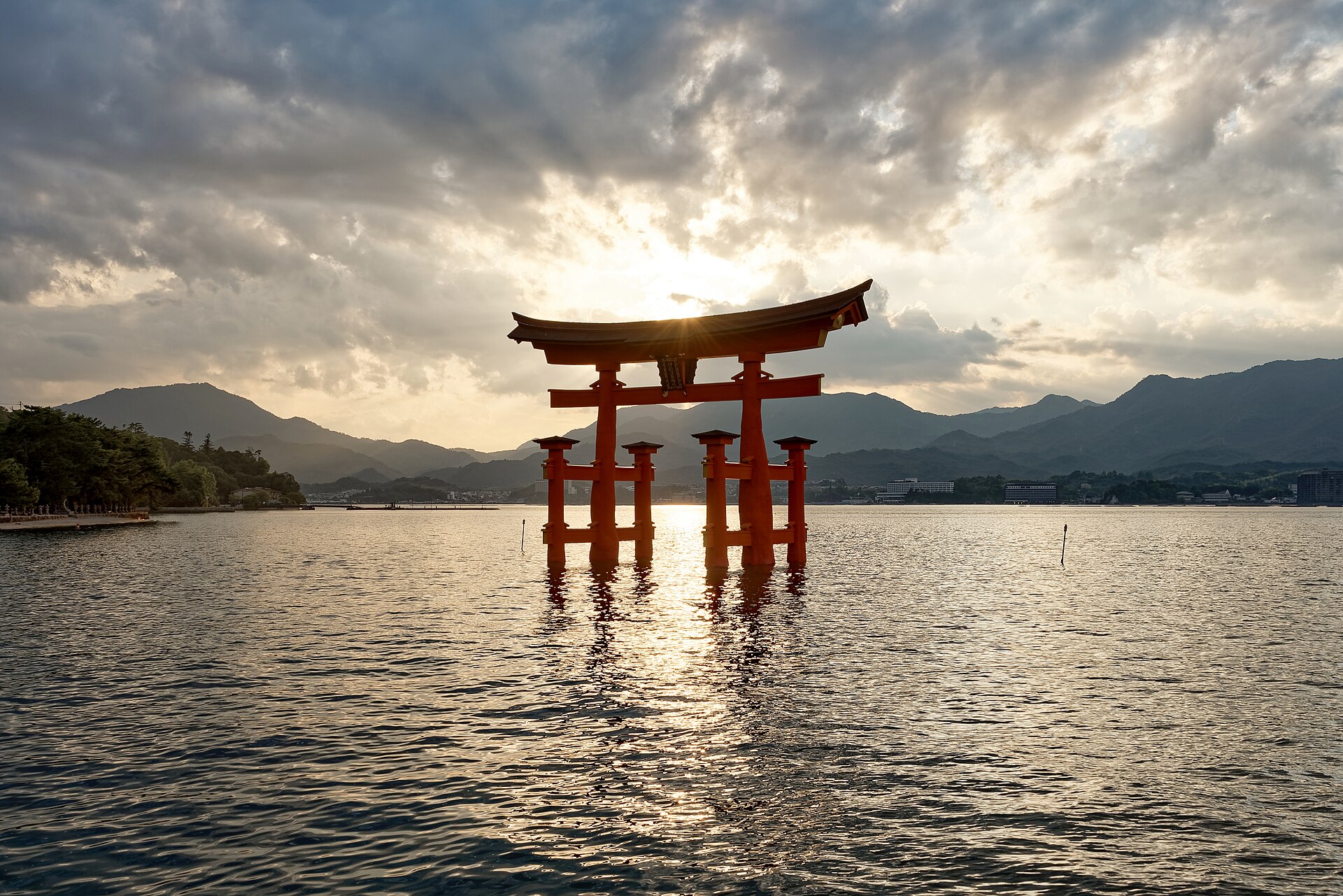
- Hiroshima and Miyajima: Hiroshima's Peace Memorial Museum is among the most important historical sites in Asia. A short ferry ride reaches Miyajima island, where the iconic Itsukushima shrine appears to float at high tide.
- Hokkaido: Japan's northernmost main island offers volcanic landscapes, exceptional skiing in winter, and lavender fields in summer. Its cuisine — centred on dairy, seafood, and ramen — is distinct from the rest of the country.
- Okinawa: A subtropical island chain with its own Ryukyuan culture, coral reefs, and a distinct culinary tradition rooted in longevity foods.
When is the best time to visit Japan?
Japan has four clearly defined seasons, and each draws a different kind of traveller. Spring (late March to early May) is peak season for cherry blossom (sakura) viewing — expect crowds and elevated accommodation prices but spectacular colour. Autumn (October to mid-November) is equally celebrated for koyo, the changing of maple and ginkgo leaves. Summer is hot and humid in most of Honshu, though the festival calendar — including the Gion Matsuri in Kyoto and Obon celebrations nationwide — is rich. Winter is cold in the north and mild in the south; it is the best season for skiing and for quieter visits to popular temples.
What cultural practices should visitors understand before travelling to Japan?
A few conventions matter more in Japan than elsewhere. Remove shoes when entering homes, traditional ryokan, and many temples — look for the entrance platform (genkan) as your cue. Bow when greeting, though a slight nod is perfectly acceptable for non-Japanese visitors. In restaurants, the bill is brought to the table rather than handed over at a counter, and tipping is not part of the culture — attempting to tip can cause genuine discomfort. On public transport, keep conversation quiet and phone calls to a minimum.
Chopstick etiquette matters at the table: avoid sticking them upright in a bowl of rice (associated with funeral rites) and do not pass food chopstick-to-chopstick. Cash is still widely used in Japan, particularly at smaller restaurants, temples, and rural ryokan — carry local currency.
How does Japan's relationship with Sri Lanka shape cultural exchange today?
Formal diplomatic relations between Japan and Sri Lanka were established in 1952, making them among the longest-standing bilateral ties in South and Southeast Asia. Japanese development assistance has contributed to infrastructure, education, and healthcare across Sri Lanka over many decades. Culturally, Sri Lankan interest in Japanese literature, theatre, martial arts, and cinema has grown steadily — a body of Sinhala-language books on Japanese history, performing arts, and language learning reflects genuine popular curiosity.
Japan's Noh, Kabuki, and Butoh theatre traditions have attracted scholarly attention in Sri Lanka, while the haiku poetic form has found Sinhala-language practitioners. At the same time, Japanese travellers have shown sustained interest in Sri Lanka's ancient Buddhist monuments — sites such as Sigiriya regularly appear on Japanese tour itineraries, and the Sri Lanka Tourism Promotion Bureau has historically maintained a presence in Tokyo.
What should I read or study before visiting Japan?
Preparation makes a significant difference in Japan. Even a basic grasp of hiragana — one of the two phonetic scripts — allows you to read restaurant menus and train station signs that lack romanisation. Several accessible guides to Japanese script and basic conversation are available in Sinhala, reflecting the depth of interest among Sri Lankan learners.
For cultural context, histories of Japanese theatre and performing arts offer insight into the aesthetic philosophy that runs through architecture, garden design, and cuisine as much as the stage. Japan's literary tradition — from classical court poetry to the modern novel — rewards reading before travel. Natsume Soseki, Yasunari Kawabata, and Haruki Murakami each illuminate different layers of Japanese life.
What practical details should I know before travelling to Japan?
| Detail | Information |
|---|---|
| Currency | Japanese Yen (JPY). Cash widely used; carry local currency. |
| Language | Japanese. English signage common in cities and major tourist sites. |
| Visa (Sri Lankan passport) | Visa required in most cases. Check the Japanese Embassy in Colombo for current requirements. |
| Transport | Shinkansen (bullet train) connects major cities efficiently. IC cards (Suica, ICOCA) simplify urban transit. |
| Electricity | 100V, 50/60Hz. Type A plugs. Bring an adapter. |
| Tipping | Not practised. Service is included in all prices. |
| Internet | Pocket Wi-Fi rental or SIM cards available at major airports on arrival. |
How does Japan influence food culture in Sri Lanka?
Japanese food has become steadily more visible in Colombo and other Sri Lankan cities over the past decade. Sushi restaurants, ramen shops, and Japanese-inflected fusion menus have established a foothold, particularly in the capital. Japanese green tea — especially sencha — sits alongside Sri Lanka's own celebrated Ceylon Tea tradition, offering a contrasting but complementary tea culture. The minimalist Japanese approach to flavour — precise seasoning, respect for fresh ingredients, restraint in presentation — offers Sri Lankan food enthusiasts a useful counterpoint to the layered spice profiles of local cooking.
Photographs: Minato, Tokyo by David Kernan (Wikimedia Commons, CC BY 4.0); Fushimi Inari Taisha, Kyoto by Basile Morin (Wikimedia Commons, CC BY-SA 4.0); Kiyomizu-dera, Kyoto by Martin Falbisoner (Wikimedia Commons, CC BY-SA 4.0); Tōdai-ji, Nara by Martin Falbisoner (Wikimedia Commons, CC BY-SA 4.0); Atomic Bomb Dome, Hiroshima by Balon Greyjoy (Wikimedia Commons, CC0); Itsukushima Shrine, Miyajima by Jakub Hałun (Wikimedia Commons, CC BY 4.0); Shinkansen and Mount Fuji (also the header, cropped) by MaedaAkihiko (Wikimedia Commons, CC BY-SA 4.0).