
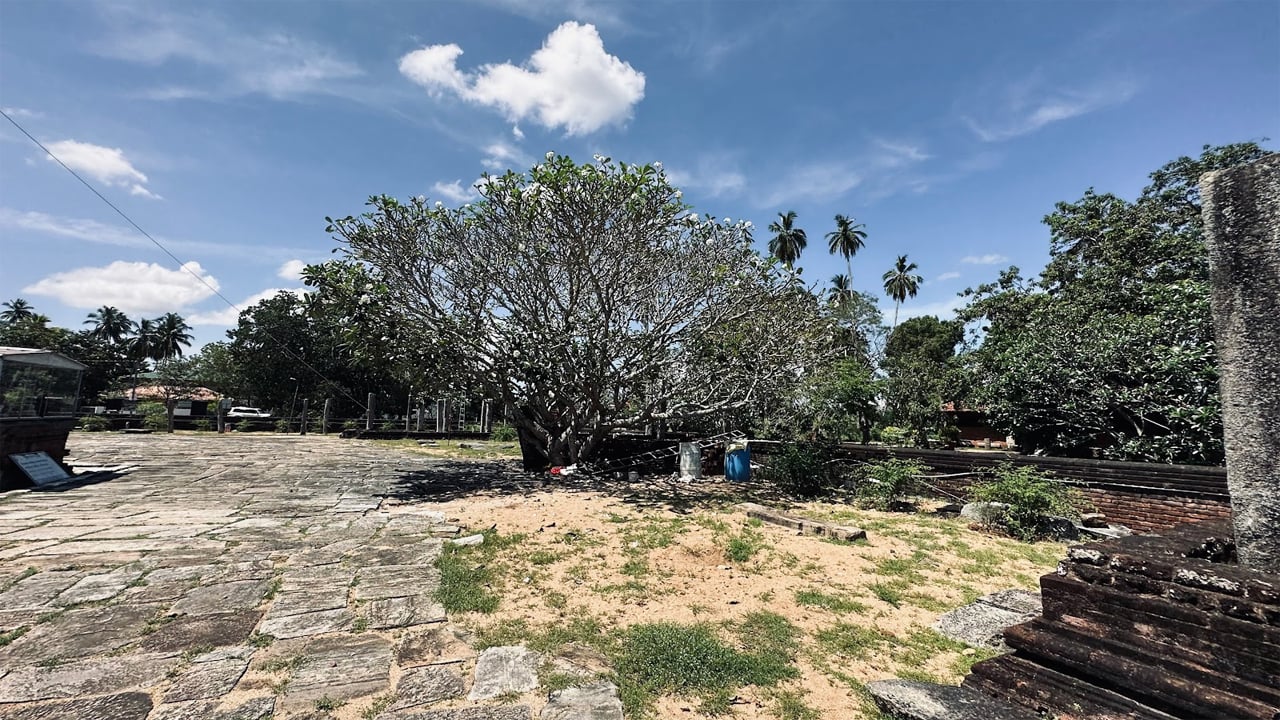
Weligatta is a small, unhurried town in the Galle District of Sri Lanka's Southern Province. Sitting close to the coastal belt yet far from the noise of the resort strip, it attracts travellers who want a genuine look at rural southern Sri Lanka — rice paddies, coconut groves, quiet lanes, and a community that still moves at an agricultural pace. It is not a headline destination, but that is precisely its appeal.
What is Weligatta like as a place?
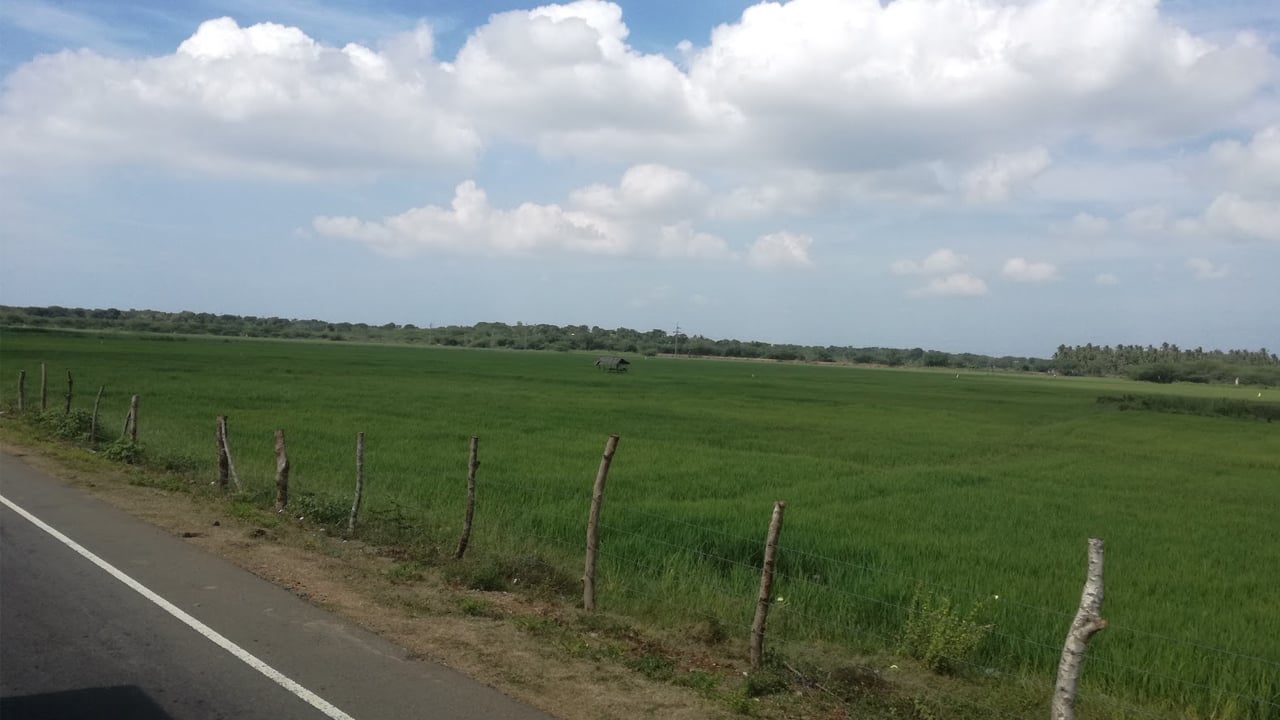
The town occupies gently rolling terrain where the coastal lowlands begin to give way to inland farmland. The surrounding landscape is defined by paddy fields, coconut palms, and patches of tropical scrub. Small rubber and spice smallholdings are scattered through the area, and it is not unusual to pass roadside stalls selling locally grown produce. The pace of daily life — temple bells in the morning, farmers heading to their plots at dawn — gives Weligatta a texture that larger tourist hubs in the south have long since lost.
The local community is predominantly Sinhalese Buddhist, and village temples (viharas) are the social anchors of the area. Visitors who time their stay around a local poya day will find quiet processions and offerings that are unrehearsed and genuinely moving.
What wildlife and nature can I find around Weligatta?
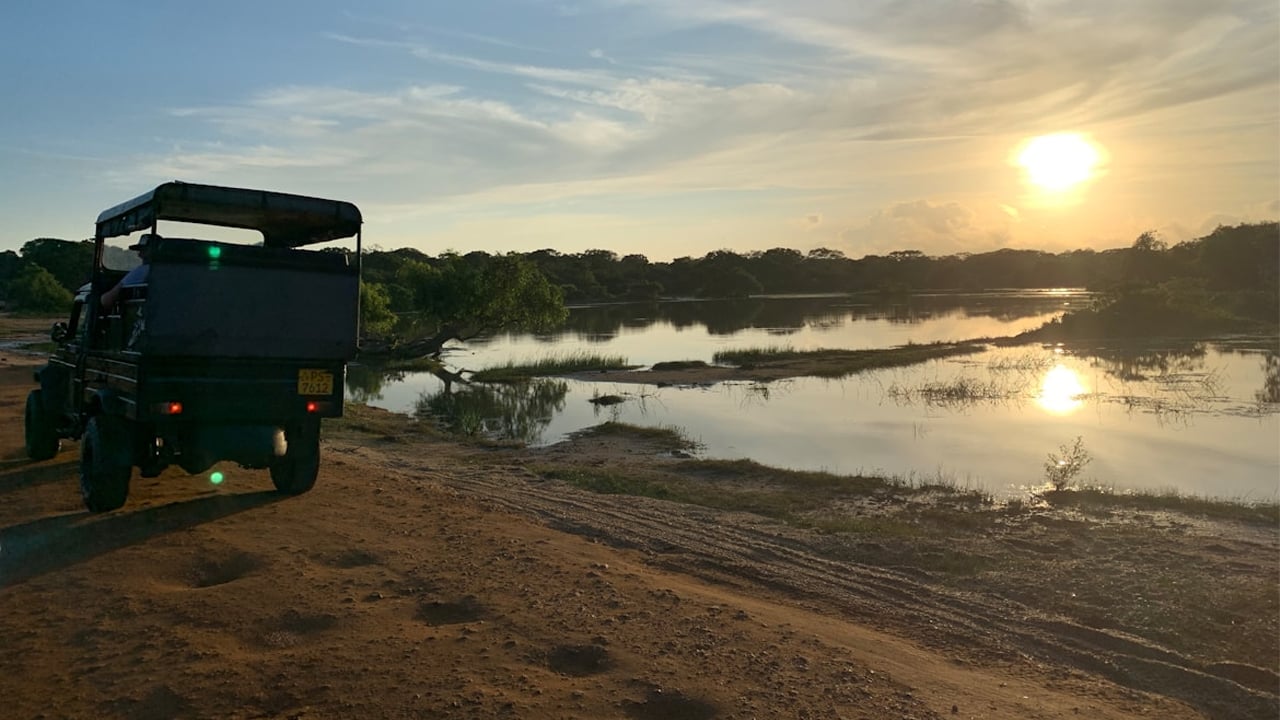
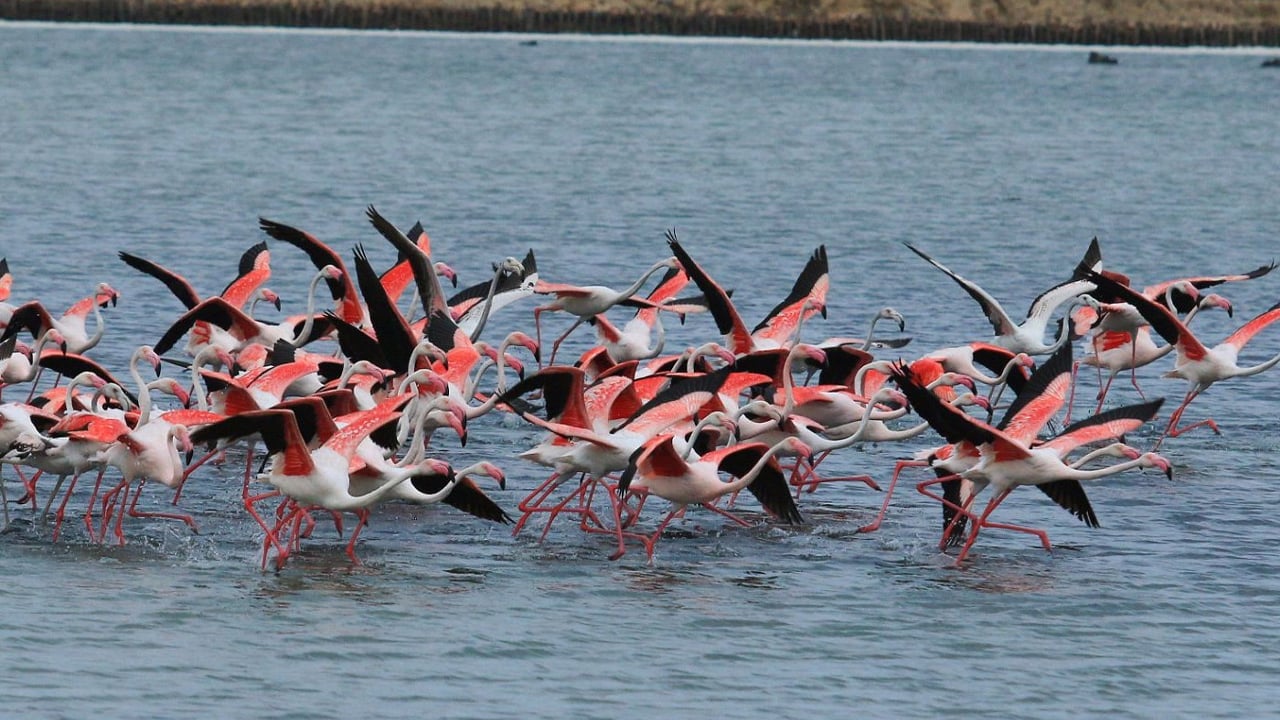
The Southern Province holds some of Sri Lanka's richest biodiversity, and Weligatta's immediate surroundings reflect that. The wetlands and home gardens on the fringes of the town support a wide range of resident and migratory birds — kingfishers, bee-eaters, pond herons, and various bulbul species are commonly spotted without any specialist effort. Early mornings and late afternoons are the best windows for birdwatching along the irrigation channels and forest margins.
Small mammals including mongooses and land monitors are regularly seen in the scrub. The fertile soil supports a dense understorey of tropical vegetation, and the air during the rainy inter-season carries the scent of frangipani and wet earth in a way that is distinctly southern Sri Lankan.
For those wanting a more structured nature experience, the Sinharaja Forest Reserve — a UNESCO World Heritage Site and one of Asia's last surviving lowland rainforests — lies within reasonable driving distance to the north-east, and makes a rewarding day excursion from a base in the Galle District.
What can I do near Weligatta?
Weligatta's greatest strength is its position as a quiet base from which to explore a cluster of well-known southern attractions without staying in the thick of them.
- Galle Fort: The UNESCO-listed Dutch colonial fortification is one of the south's defining landmarks and sits within easy reach. A guided Galle city tour is the most efficient way to cover the fort, its museums, and the surrounding streets in a single visit.
- Madu Ganga and the mangroves: The Madu Ganga estuary, a Ramsar-listed wetland, is one of southern Sri Lanka's most rewarding boat excursions. Gliding through mangrove channels, past small islands with Buddhist shrines, is a memorable half-day. The Madu River Safari takes you deep into the system with an experienced boatman.
- Sea turtle conservation: The southern coastal belt between Kosgoda and Koggala hosts several turtle hatcheries. The Koggala Sea Turtle Conservation Project offers responsible encounters with nesting and hatchling turtles, particularly relevant for families and wildlife enthusiasts.
- Unawatuna and the south coast beaches: The cove beaches that line this stretch of coast — protected by offshore reefs — are among the calmer swimming spots on the island. Their relatively sheltered aspect makes them suitable outside the main surf season as well.
- Hikkaduwa Turtle Hatchery: The Hikkaduwa Turtle Hatchery is another conservation site worth visiting along the coastal road, particularly if you are travelling with children.
What is the best time to visit Weligatta?
The dry season on Sri Lanka's south-west coast runs from around December through April, and these months offer the most reliable conditions for outdoor activity, beach visits, and travel around the region. Skies are generally clear, humidity is lower than in the wet season, and the coastal waters are calm enough for swimming and snorkelling.
From May onward, the south-west monsoon brings regular rainfall. This is not a reason to avoid the area entirely — the landscape turns vivid green, accommodation prices drop, and the crowds thin considerably — but outdoor plans should be flexible. The period between monsoons, roughly October to November, can bring intermittent showers from the north-east system, though it is typically shorter-lived on this coast.
| Season | Months | Conditions |
|---|---|---|
| Peak dry season | December – April | Sunny, low humidity, calm seas — ideal for all activities |
| South-west monsoon | May – September | Regular afternoon rain, lush green scenery, fewer visitors |
| Inter-monsoon | October – November | Variable, occasional showers, transitional period |
How do I get to Weligatta from Colombo or Galle?
Weligatta is accessible by road along the Southern Expressway (E01), which connects Colombo to the Galle area in around 90 minutes depending on traffic. From Galle town itself the drive is short — typically under 30 minutes — making Weligatta genuinely practical as a day-trip destination or as a quieter overnight base while exploring the south coast.
The nearest train stations on the Colombo–Matara coastal line serve the broader area. Tuk-tuks and three-wheelers are available locally for short hops around the town and surrounding villages. For visitors who prefer a private transfer, hiring a car and driver through a local DMC ensures flexibility across a region where the most rewarding spots are rarely served by public transport at convenient times.
What authentic local experiences does Weligatta offer?
Beyond the sights, Weligatta rewards slow travel. Village walks through the paddy fields during the cultivation season offer an unscripted window into the rhythm of Sri Lankan agricultural life. Farmers preparing flooded paddies or harvesting by hand are a common sight and a reminder that the south's economy remains closely tied to the land.
Roadside spice gardens in the area grow pepper, cloves, and cinnamon — crops that made this coast economically significant long before the arrival of colonial powers. Stopping at a small family-run garden to see how cloves are harvested and dried puts the whole history of the spice trade into immediate, tangible context.
Local markets, particularly in the early morning, are worth visiting for their produce and their atmosphere. Vendors arrive with fresh catches, home-grown vegetables, and freshly cut coconut, and transactions are conducted in Sinhala with the easy familiarity of a community that knows itself well.
Is Weligatta suitable for families and first-time visitors to Sri Lanka?
Yes, with some planning. The town itself is safe, welcoming, and low-key, and the surrounding area is easy to navigate. The nearby southern attractions — turtle hatcheries, the Madu Ganga mangroves, and the Galle Fort — are all well-suited to mixed-age groups. The lack of large resort infrastructure is a feature for some travellers and a limitation for others; those wanting extensive dining or nightlife options will be better served by staying in Galle or Unawatuna and visiting Weligatta as a half-day excursion into the countryside.