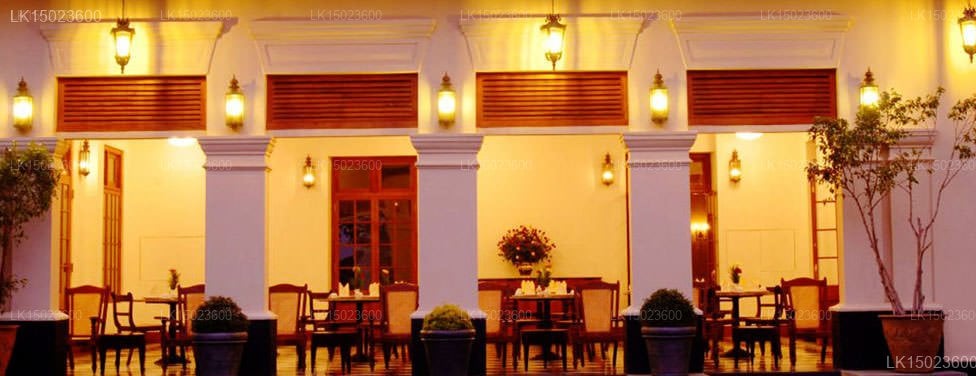
Perched in the cool highlands of Nuwara Eliya at roughly 1,868 metres above sea level, The Grand Hotel is one of Sri Lanka's most storied heritage properties. Built in 1891 as the private residence of Governor Sir Edward Barnes, the Victorian manor was later converted into a hotel and has welcomed guests for well over a century. Its clipped lawns, Tudor-style facades, and log-fire lounges evoke a very particular version of the hill country — one that feels closer to rural England than the tropical island below.
What makes The Grand Hotel historically significant?
The building was originally constructed as a colonial governor's bungalow and retains much of its period character: high ceilings, dark timber panelling, arched verandahs, and fireplaces that are genuinely useful on cold Nuwara Eliya evenings. The property sits adjacent to the Nuwara Eliya Golf Club, one of the oldest golf courses in Asia, which adds to the atmosphere of Edwardian leisure that defines the town. Over the decades the hotel passed through several operators before being brought under the Aitken Spence Hotels group, which manages it today as a flagship heritage property.
The Grand Hotel is part of a broader colonial legacy that shaped Nuwara Eliya into what locals still call "Little England" — a reference reinforced by its rose gardens, horse-racing track, and the Victorian post office that still stands on the main street.
Where is The Grand Hotel and how do I get there?
The hotel sits on Grand Hotel Road in the centre of Nuwara Eliya town, within walking distance of the main market and Victoria Park. Nuwara Eliya is located in the Central Province of Sri Lanka, roughly 180 km from Colombo by road. The drive typically takes around four to five hours depending on traffic and route, winding through tea-covered hillsides and mountain passes.
The most scenic approach is by train from Colombo Fort or Kandy to Nanu Oya station — the nearest rail stop, about 8 km from the hotel — along a route widely regarded as one of the most beautiful train journeys in Asia. From Nanu Oya, taxis and tuk-tuks are readily available for the short remaining leg. Alternatively, Lakpura can arrange a private transfer directly from Colombo Bandaranaike International Airport to the hotel's entrance.
What rooms and facilities does The Grand Hotel offer?
The property offers a range of room categories — from standard colonial rooms to more spacious superior and deluxe options — all furnished in a style that nods to the hotel's Victorian origins without feeling theatrical. Several room types overlook the gardens or the surrounding hills.
- Dining: The main restaurant serves both Sri Lankan and international cuisine. The separate pub-style bar area is a local institution, particularly popular during the April racing season.
- Billiards room: An original feature of the building that remains in use, with a full-size table dating to the colonial era.
- Swimming pool: A heated indoor pool — a practical consideration given Nuwara Eliya's frequently cool and misty climate.
- Gardens: Manicured grounds with rose beds, ideal for a morning walk before the mist burns off.
- Golf access: The hotel is the closest accommodation to the Nuwara Eliya Golf Club, and arrangements for guest play can typically be made through the concierge.
When is the best time to visit Nuwara Eliya and The Grand Hotel?
Nuwara Eliya sits at high altitude and is cooler than the rest of Sri Lanka year-round, with temperatures typically ranging from around 7°C at night to 22°C during the day. The driest and most pleasant months are generally January to March and July to September, when clear skies make the surrounding tea country particularly photogenic.
April is the most festive period, coinciding with the Sinhala and Tamil New Year holidays and the famous Nuwara Eliya race meets, when the town fills with visitors and the hotel's social calendar is at its busiest. The south-west monsoon (May to July) and north-east monsoon (October to January) bring heavier rainfall to different parts of the highlands, though cool mist is a feature of Nuwara Eliya at almost any time of year.
What can I do near The Grand Hotel?
The hotel's central location makes it a natural base for exploring the wider hill country. Within a short drive are some of Sri Lanka's most rewarding highland experiences.
- Horton Plains National Park: Around 32 km from Nuwara Eliya, this cloud-forest plateau is home to World's End — a sheer escarpment with a drop of nearly 900 metres — and is best visited early in the morning before cloud cover obscures the view.
- Tea estates and factories: Nuwara Eliya is the heart of Ceylon's highest-grown tea production. Several estates near the town offer guided factory tours and tasting sessions. The Bluefield Tea Gardens is one of the more accessible options for visitors staying in town.
- Victoria Park: A well-maintained public garden a short walk from the hotel, particularly colourful during flowering seasons in March–April and August–September.
- Ella: The scenic town of Ella is roughly 60 km east and makes a manageable day trip or onward stop, with walking trails, waterfalls, and views across the southern plains.
- Nuwara Eliya Market: A lively produce market that reflects the town's role as Sri Lanka's primary grower of temperate vegetables — strawberries, leeks, carrots, and cabbage thrive at this altitude.
Is The Grand Hotel suitable for a honeymoon or special occasion?
The property is a popular choice for couples, particularly those drawn to heritage settings and cooler climates. The combination of log fires, candlelit dining, and garden walks in the morning mist gives the hotel a romantic character that more modern resorts in Sri Lanka rarely replicate. April — peak season — tends to be busy and lively; January to March offers a quieter, more intimate atmosphere. The hotel's team can typically arrange in-room floral arrangements, private dining, and similar touches with advance notice.
How does The Grand Hotel compare to other Nuwara Eliya properties?
Nuwara Eliya has a range of accommodation options, from boutique bungalows converted from planter's estates to mid-range city hotels. The Grand Hotel occupies a specific niche: it offers the largest footprint, the most recognisable colonial architecture, and the widest range of on-site facilities of any heritage property in the town. Travellers who prioritise period character and a full-service hotel experience tend to find it the most complete option. Those seeking a quieter, more intimate retreat may prefer a converted colonial bungalow on the outskirts of town.
The hotel's size also means it can absorb group and conference bookings, which occasionally means the atmosphere is less personal during busy periods — something worth factoring into planning if a quieter stay is the priority.