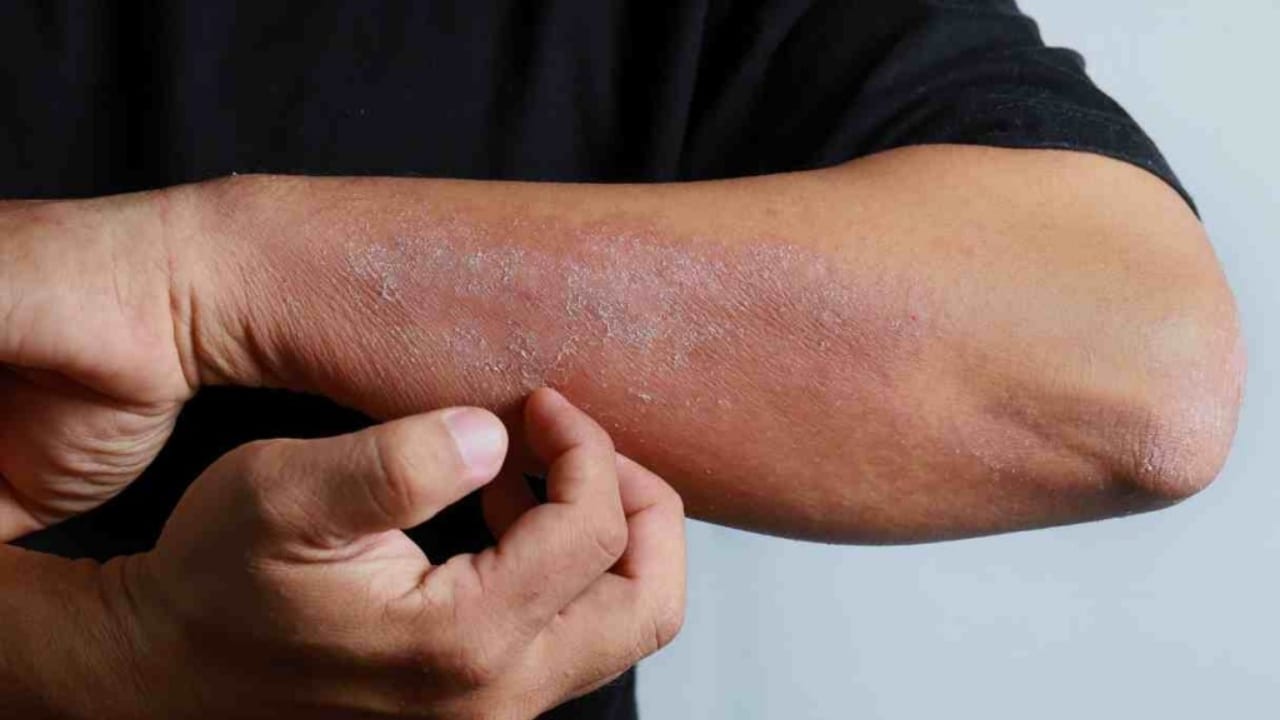
Sarvavishadi Oil is a classical Ayurvedic herbal preparation with deep roots in Sri Lanka's indigenous medical tradition. Used externally for conditions linked to visha — the Ayurvedic concept encompassing toxins, allergens, and inflammatory agents — it remains a relevant remedy in both traditional households and formal Ayurvedic clinical settings across the island.
What is Sarvavishadi Oil used for?
The name itself offers a clue: sarva means "all" and vishadi relates to the clearing or neutralising of visha. In classical Ayurvedic texts, visha is not limited to acute poisoning. It broadly covers accumulated bodily toxins, allergic skin reactions, localised swellings, and certain infectious eruptions. Sarvavishadi Oil is formulated specifically to address these presentations through external application.
Practitioners typically recommend it for:
- Minor insect bites and stings with localised swelling or itching
- Inflammatory skin rashes characterised by redness, burning, or irritation
- Allergic skin reactions and certain contact dermatoses
- Conditions associated with heat toxicity or pitta imbalance in Ayurvedic diagnosis
As with all Ayurvedic preparations, Sarvavishadi Oil is intended to complement — not replace — qualified medical assessment, particularly for serious toxic exposures or persistent systemic conditions.
What are the key ingredients in Sarvavishadi Oil?
Formulations may vary slightly between manufacturers and pharmacopeial editions, but the core composition typically draws on medicinal herbs valued for their detoxifying, antimicrobial, and anti-inflammatory properties. Sesame oil (tila taila) is the most common base, chosen for its own mild therapeutic qualities and its proven ability to carry lipophilic herbal compounds through the skin.
Commonly included herbs and botanicals are processed through a classical taila paka method — a slow, controlled heating process in which herbal decoctions and fine pastes are cooked into the base oil until the water fully evaporates and the active constituents are thoroughly absorbed. This technique has been refined over centuries of Ayurvedic practice in Sri Lanka and South Asia.
Among the broader family of medicinal plants used in Sri Lankan Ayurvedic oils, Pongamia pinnata (known locally as magul karanda) is a notable ingredient in several anti-inflammatory and skin-condition formulations — reflecting the island's rich botanical pharmacopoeia. Similarly, Acacia chundra appears in classical preparations for its astringent and antimicrobial properties.
How is Sarvavishadi Oil applied?
The oil is intended for external use only. The standard method involves gently warming a small quantity and massaging it onto the affected area with light, circular strokes. Warmth is believed to enhance dermal absorption and improve the oil's anti-inflammatory action. In rural Sri Lankan practice, the oil is sometimes applied and left on overnight, covered lightly with a cloth, before being washed away the following morning.
Ayurvedic physicians may incorporate Sarvavishadi Oil into a broader treatment protocol — particularly in cases involving chronic skin disorders — alongside dietary adjustments, internal herbal medicines, or other therapeutic oils suited to the patient's constitution (prakriti).
Where can Sarvavishadi Oil be obtained in Sri Lanka?
Within Sri Lanka's state-supported Ayurvedic healthcare system, Sarvavishadi Oil may be dispensed through government Ayurvedic hospitals and licensed private dispensaries. Several established Sri Lankan Ayurvedic manufacturers — including those operating under the oversight of the Department of Ayurveda — produce the oil according to pharmacopeial standards designed to ensure batch-to-batch consistency and safety.
Commercially, it is available in a range of bottle sizes from producers such as Ayurova Biotech and the Gampaha Sidhdhayurweda Institute, both of which follow documented classical formulations. Travellers and visitors to Sri Lanka can also find Ayurvedic herbal oils through curated online platforms that ship internationally.
How does Sarvavishadi Oil fit into Sri Lanka's Ayurvedic tradition?
Sri Lanka has practised Ayurveda for over two millennia. The island's ancient kingdoms maintained dedicated herbal gardens, royal physicians, and formal medical institutions — a tradition documented in chronicles such as the Mahavamsa. Today, the government recognises Ayurveda as an official system of medicine, and the country maintains a network of Ayurvedic teaching hospitals, research institutes, and a national pharmacopoeia.
Sarvavishadi Oil sits within this living tradition as a preparation that has retained practical utility across generations. It is one of several classical oils formulated specifically for skin and toxin-related conditions — alongside preparations addressing musculoskeletal disorders (such as Yogaraja Guggulu), urinary conditions, and general wellness. Each formulation reflects a sophisticated botanical understanding developed through centuries of clinical observation.
The Kaishore Guggulu tradition — another classical Ayurvedic formulation used in Sri Lanka — similarly targets inflammatory and skin-related conditions through a different route of administration, illustrating how Ayurvedic medicine approaches the same clinical terrain through multiple, complementary preparations.
Is Sarvavishadi Oil safe to use without a prescription?
For minor, clearly defined conditions — such as a small insect bite or a mild localised rash — Sarvavishadi Oil is generally regarded as safe for external self-application by adults, in keeping with its long-standing role as a household first-aid remedy. However, several important caveats apply.
- It should not be applied to open wounds, broken skin, or eyes.
- Individuals with known allergies to sesame or specific medicinal plants should exercise caution and seek practitioner advice before use.
- Serious toxic exposures — including snake bites, scorpion stings, or systemic allergic reactions — require immediate emergency medical attention. Topical Ayurvedic oil is not a substitute for urgent care in these situations.
- Persistent, worsening, or undiagnosed skin conditions warrant assessment by a qualified Ayurvedic physician or dermatologist before any self-treatment.
Sri Lanka's Ayurvedic regulatory framework requires licensed practitioners to diagnose and formally prescribe for complex conditions, reinforcing the importance of professional guidance alongside traditional home use.
How does Sarvavishadi Oil compare with other Ayurvedic oils from Sri Lanka?
The Sri Lankan Ayurvedic pharmacopoeia includes a wide range of therapeutic oils, each targeting a specific set of conditions. Sarvavishadi Oil is distinctive in its focus on visha-related (toxin and inflammatory) presentations, whereas oils such as Mahanarayana target musculoskeletal pain and Neelayadi oil is associated with scalp and hair conditions. Understanding these distinctions is important when selecting an appropriate preparation.
| Oil | Primary Traditional Use | Typical Application Area |
|---|---|---|
| Sarvavishadi Oil | Skin inflammations, toxic reactions, insect bites | Affected skin area |
| Mahanarayana Oil | Joint and muscle pain, neurological conditions | Joints, muscles, full-body massage |
| Neelayadi Oil | Scalp disorders, hair loss, dandruff | Scalp and hair |
| Pas Oil | General massage, muscular relaxation | Full body or targeted muscles |
Consulting an Ayurvedic physician remains the most reliable way to identify which preparation — or combination — is appropriate for a given individual and condition.