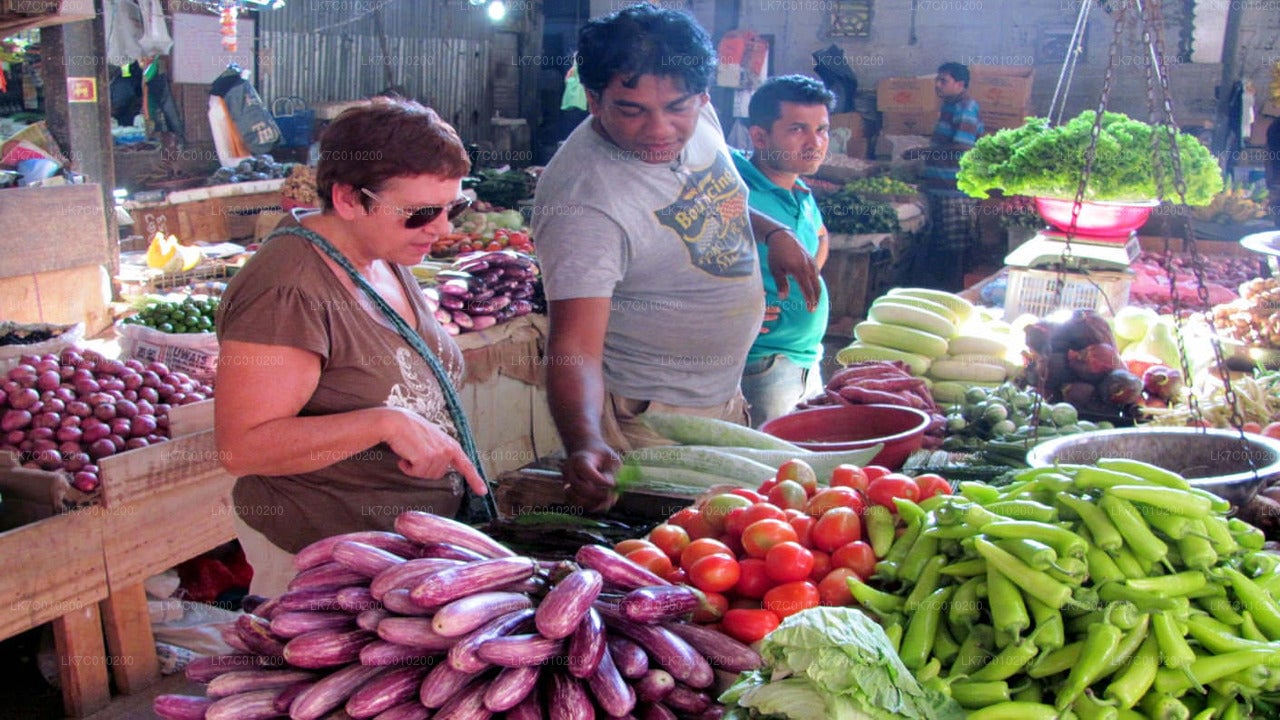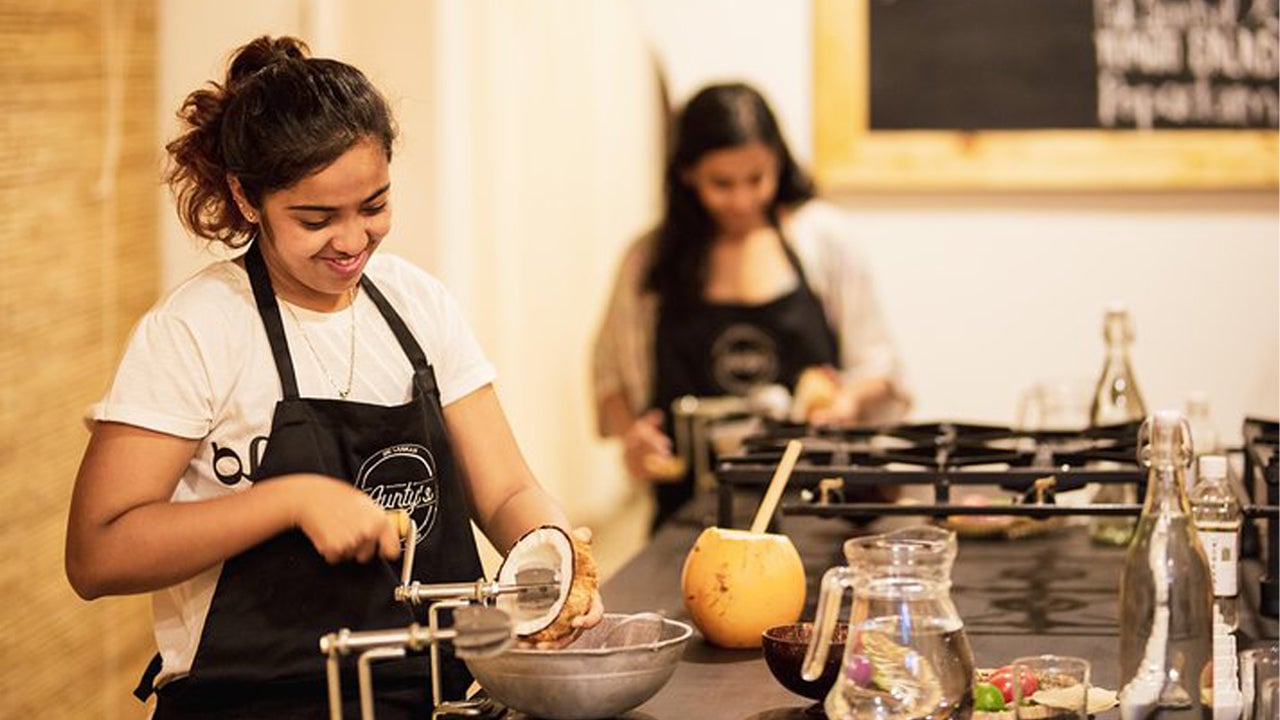
Pettah Market occupies a dense grid of streets just east of Colombo Fort, and it has been the commercial heartbeat of the city since the colonial era. Part wholesale district, part neighbourhood bazaar, part open-air museum of everyday Sri Lankan life, it draws traders, shoppers, and curious visitors in equal measure. Unlike a shopping mall, Pettah is not curated — its energy is entirely its own, shaped by generations of family-run businesses and a community that has always been at ease with difference.
What makes Pettah Market worth visiting?
The short answer is authenticity. Where Colombo's newer retail districts sell to aspirations, Pettah sells to needs — and at prices that reflect genuine local demand rather than tourist mark-ups. Bulk spice merchants, sari wholesalers, hardware importers, and street food cooks all operate side by side, creating a density of commerce you will not find anywhere else in Sri Lanka.
The market also functions as a living record of Colombo's history. The Moors, Chettiars, Sinhalese, Tamil, and Burgher traders who built Pettah over centuries left traces in its architecture, its worship spaces, and its street rhythms. Mosques, kovils, and colonial-era churches stand within metres of each other, a quiet demonstration of the coexistence that underpins the district's success.
What is sold on each street in Pettah?
Pettah's layout is informal but broadly organised by trade, which helps once you know the pattern.
- First Cross Street – electronics, mobile accessories, batteries, and cables. This is where Colombo's repair culture is most visible, with technicians working in tiny kiosks alongside new-stock retailers.
- Second Cross Street – clothing, fabrics, and readymade garments at wholesale-friendly prices.
- Sea Street – the gold jewellery corridor, lined with shops offering 22-carat pieces, wedding sets, and custom work. It draws both locals making significant purchases and visitors seeking quality craftsmanship at competitive rates.
- Main Street and Olcott Mawatha – general merchandise, household goods, stationery, and imported produce.
- Spice lanes (near the Pettah bus terminal) – sacks of Ceylon black pepper, cloves, cardamom, dried chilli, and turmeric sold by weight. This is one of the few places in Colombo where you can buy spices at close to producer prices.
The layout shifts gradually over time as traders move and rents change, so treat any street-by-street guide as a starting framework rather than a fixed map.
How do I get to Pettah from central Colombo?
Pettah is exceptionally well connected. The Colombo Fort railway station sits on its western edge, with frequent services to and from the southern, northern, and upcountry lines. The Central Bus Stand and the Bastian Mawatha bus terminal are both within the market district itself, making Pettah the natural transit hub for much of the city. If you are arriving from a hotel in Colombo 3 or 7, a taxi or three-wheeler takes around 15–25 minutes depending on traffic — midday congestion on Olcott Mawatha can be significant. The recently opened Colombo Lotus Tower is visible from several parts of Pettah and serves as a useful landmark for orientation.
When is the best time to visit Pettah Market?
Weekday mornings between 8 a.m. and 11 a.m. offer the most manageable experience: traders are restocking, crowds are thinner than the afternoon peak, and the produce sections near the bus terminal are at their freshest. Friday afternoons see elevated footfall as Muslim traders wind down before Jumu'ah prayers, and the market adjusts its rhythm accordingly. Saturdays are busy but lively. Most traders close on Sundays, so avoid that day if you intend to shop rather than simply walk.
During Ramadan, the evening hours around iftar bring a particular atmosphere to the streets around the Jami Ul-Alfar Mosque — street food stalls multiply and the pace of the market shifts. Poya (full-moon) days generally see reduced commercial activity across Colombo, including Pettah.
What religious landmarks are inside Pettah?
The Jami Ul-Alfar Mosque — known locally as the Red Mosque for its distinctive candy-striped facade — is Pettah's most photographed building and one of Colombo's architectural landmarks. Built in 1909, it can accommodate several thousand worshippers and remains active throughout the day. The Old Kathiresan and New Kathiresan Kovils on Sea Street are important Hindu temples associated with the Vel festival procession. St Anthony's Church, a short walk toward Kochchikade, is a Catholic pilgrimage site visited by devotees of all faiths. None of these sites charge an entry fee, but visitors should dress modestly (shoulders and knees covered) and remove shoes before entering places of worship.
Is Pettah safe for tourists?
Pettah is a working commercial district, not a tourist precinct, and it should be approached with the same awareness you would apply in any busy city market. Petty theft — particularly of phones and bags in crowded lanes — is the main risk. Keep valuables in a front pocket or zipped bag, stay aware of your surroundings in densely packed alleys, and avoid the area late at night when most shops are closed and the streets are quieter but less predictable. During daylight hours, the market is busy enough that the crowd itself provides a degree of safety. Traders are generally helpful if you are lost or need directions.
What should I eat in Pettah?
Street food is abundant and inexpensive. Look for short-eats stalls selling wade, isso wade (prawn fritters), and rolls from mid-morning. Rice-and-curry lunch packets — served on banana leaf or in foil, assembled to order — are a practical and filling midday option. The lanes around the Manning Market and the produce wholesalers also have fresh tropical fruit stalls where vendors sell cut portions at low prices. Muslim-owned establishments are common here, and many serve excellent biryani during lunch hours. If you prefer a sit-down meal close to the market, several old-school "hotels" (as Sri Lankans call casual restaurants) around Main Street offer short menus at modest prices.
How does Pettah fit into a broader Colombo visit?
Most visitors combine a Pettah walk with other central Colombo sights. The Dutch Hospital shopping precinct and Colombo Fort are a short walk west. The Colombo city tour offered by Lakpura typically includes a Pettah segment alongside the National Museum, Gangaramaya Temple, and the Galle Face promenade, giving context to the market within the wider city. If you have more time, the Manning Market — Colombo's main wholesale fresh-produce hub — is adjacent to the Pettah street market and gives a complementary view of how the city feeds itself.
Pettah rewards curiosity over shopping lists. Its value as a destination lies as much in the watching — of handcart boys threading through impossible gaps, of a goldsmith testing a chain at his counter, of a fabric merchant unrolling twenty metres of silk in one fluid motion — as in anything you might buy and take home.