



Kuliyapitiya is a mid-sized market town in Sri Lanka's North Western Province, sitting roughly halfway between Kurunegala and Negombo on the main road corridor that links the island's interior to its western coast. It is not a conventional tourist destination, but for travellers curious about everyday Sri Lankan life beyond the headline sites, it offers an honest cross-section of agriculture, education, and commerce in the dry-to-transitional climate zone of the northwest.
Where exactly is Kuliyapitiya?
The town lies in Kurunegala District, approximately 75 km north of Colombo and around 35 km northwest of Kurunegala city. The A10 road connects it southward toward Kurunegala, while the B340 provides a direct route toward Negombo and the western coast. This position makes Kuliyapitiya a practical stopping point when driving between the Cultural Triangle and the airport corridor, or when exploring the broader Wayamba (North Western) region by road.
What is the agricultural character of the Kuliyapitiya area?
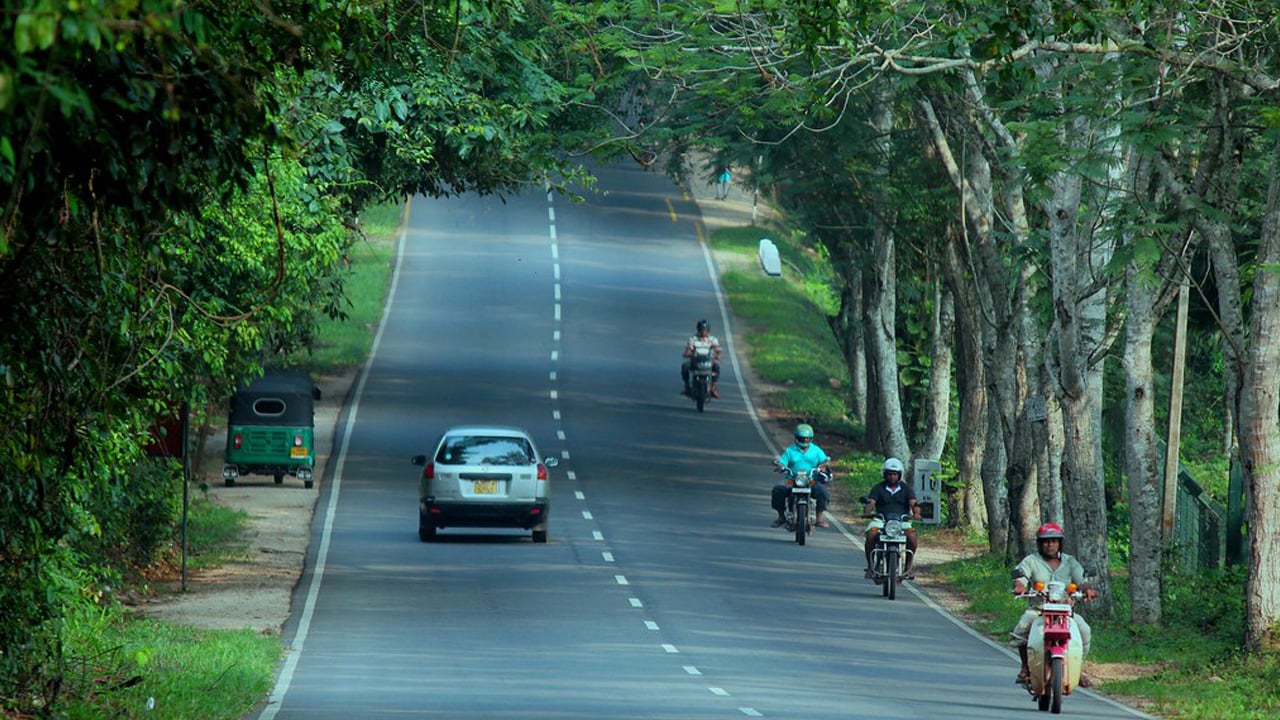
The landscape surrounding the town is defined by coconut estates and paddy fields. The North Western Province as a whole is one of Sri Lanka's primary coconut-growing regions, and the fields around Kuliyapitiya feed directly into that supply chain. Smaller plots of rice cultivation fill the lower-lying ground, particularly in the wet season when the paddies turn a deep green. Rubber smallholdings also appear on the fringes of the district. Driving through the area between June and September, when both coconut palms and rice are at their fullest, gives a clear picture of how much of the province's economy rests on these two crops.
What is Wayamba University of Sri Lanka?
Wayamba University of Sri Lanka, established in 1999, has its main faculties spread across campuses in Kuliyapitiya and Makandura. The Kuliyapitiya campus hosts the Faculty of Business Studies and Finance, while the Makandura campus, located a short distance to the south, covers applied sciences. The university's presence has made the town noticeably younger and more commercially active than comparably sized towns in the province, with a cluster of bookshops, small restaurants, and lodgings that cater to students and visiting academics. The institution is the only national university based in the North Western Province.
What temples and historical sites are near Kuliyapitiya?
The district around Kuliyapitiya holds a number of Buddhist temples that serve both as active places of worship and as repositories of local history. Several predate the colonial period, with rock-cut inscriptions and ancient dagobas (stupas) that point to early settlement in the area. Visitors with an interest in vernacular religious architecture will find smaller, less-visited temples here that offer a quieter experience than the heavily trafficked sites of the Cultural Triangle. The region also has kovil (Hindu temples) that reflect the demographic diversity of the province's population.
- Local Buddhist temples with historic dagobas
- Hindu kovils serving the area's Tamil-speaking communities
- Rural tank (reservoir) landscapes dating to the hydraulic civilisation of ancient Sri Lanka
What is the local market and food culture like?
Kuliyapitiya's main commercial strip is most animated on pola days — the weekly open-air market that rotates around towns in each district. The Kuliyapitiya pola draws vendors from surrounding villages selling fresh produce, spices, household goods, and street food. Coconut products appear in many forms: fresh king coconuts, dried copra, coconut oil pressed locally, and sweetmeats made from scraped coconut and jaggery. The town's permanent shops stock the kind of everyday goods that reveal how rural Sri Lankans live rather than how they perform culture for visitors, which is itself an informative experience.
When is a good time to visit Kuliyapitiya?
The North Western Province has a broadly unimodal rainfall pattern, with the heaviest rain falling between October and January, driven by the northeast monsoon. The period from February through September tends to be drier and more comfortable for travel. That said, Kuliyapitiya sits in a transitional zone and can receive rain at most times of year. Temperatures remain warm year-round, typically between 27°C and 33°C. There is no single peak festival season that dominates the town's calendar, so it can be visited without extensive forward planning at most times of year.
How do I get to Kuliyapitiya from Colombo?
The most direct route from Colombo is via the Colombo–Negombo expressway and then north along the A3 or B340 roads, a journey of roughly 90 minutes to two hours depending on traffic. Alternatively, the A1 northward to Kurunegala and then the A10 westward is a slightly longer route but passes through more varied scenery. Sri Lanka Railways does not serve Kuliyapitiya directly; the nearest main railway stations are at Kurunegala and Polgahawela, from where buses run into town. Intercity buses from Colombo's Bastian Mawatha terminal provide direct services to Kuliyapitiya several times daily.
| Route | Approximate Distance | Approximate Drive Time |
|---|---|---|
| Colombo to Kuliyapitiya | ~75 km | 1.5–2 hours |
| Kurunegala to Kuliyapitiya | ~35 km | 45–60 minutes |
| Negombo to Kuliyapitiya | ~50 km | 1–1.5 hours |
| Bandaranaike Airport to Kuliyapitiya | ~55 km | 1–1.5 hours |
Is Kuliyapitiya worth including in a Sri Lanka itinerary?
Kuliyapitiya works best as a purposeful detour rather than a destination in its own right. Travellers who want to experience the agricultural northwest beyond Kurunegala, or who are curious about provincial university towns and the pace of daily life in a working Sri Lankan market centre, will find it rewarding. It also sits at a useful geographic midpoint for anyone moving between the Cultural Triangle and the western coast — a logical lunch stop or an overnight stay if smaller guesthouses suit your travel style. Those focused strictly on heritage monuments or beach holidays may prefer to continue directly to more established sites.