


A cough is one of the body's most fundamental defence mechanisms. When something irritates the throat, airways, or lungs — dust, smoke, mucus, or an infection — sensory nerves fire a signal to the brain, which in turn instructs the muscles of the chest and abdomen to contract sharply, forcing air out of the lungs at high speed. The result is a cough: a reflex designed to clear the airway.
An occasional cough is entirely normal. It becomes a concern when it persists for several weeks, produces discoloured or blood-tinged mucus, or is severe enough to disrupt sleep, cause dizziness, trigger headaches, or lead to urinary incontinence and vomiting. Prolonged, forceful coughing can even result in broken ribs in rare cases. If your cough falls into any of these categories, seeking medical advice is the appropriate first step.
What Are the Main Types of Cough?
Not all coughs are the same, and recognising the type helps in choosing the right approach to relief.
- Dry cough: No mucus is produced. Often caused by viral infections, allergies, environmental irritants, or certain medications.
- Wet or productive cough: Brings up mucus or phlegm. Typically associated with respiratory infections such as colds, flu, or bronchitis.
- Chronic cough: Persists for eight weeks or more in adults. May signal asthma, gastroesophageal reflux, or an underlying lung condition.
- Whooping cough (pertussis): A bacterial infection characterised by intense coughing fits followed by a high-pitched intake of breath.
What Commonly Triggers a Cough?
Common triggers range from straightforward environmental factors to underlying medical conditions. Understanding what sets off your cough is the first step toward managing it effectively.
- Viral upper respiratory infections (common cold, flu)
- Allergies and hay fever
- Dust, smoke, or air pollution
- Asthma and other chronic lung conditions
- Gastroesophageal reflux disease (GERD)
- Postnasal drip
- Certain blood-pressure medications (ACE inhibitors)
How Does Ayurvedic Medicine Approach Cough Relief?
Ayurveda — the traditional healing system of South Asia, practised in Sri Lanka for over two millennia — classifies cough (known as Kasa in Sanskrit) as a disturbance of the Vata and Kapha doshas. Treatment focuses on soothing the airways, reducing inflammation, and expelling accumulated mucus through herbal formulations rather than suppressing the reflex entirely.
Sri Lanka has a rich tradition of using locally grown medicinal plants in cough remedies. Several key ingredients appear repeatedly in Ayurvedic cough preparations:
- Thulasi (Holy Basil): Valued for its antimicrobial and expectorant properties.
- Madhuka (Licorice root): Soothes irritated mucous membranes and helps thin mucus.
- Ginger (Zingiber officinale): Anti-inflammatory and warming; traditionally combined with honey for dry cough.
- Ceylon black pepper: Used as an expectorant and to stimulate circulation in the respiratory tract.
- Clove (Syzygium aromaticum): Contains eugenol, which has analgesic and antimicrobial effects, making it useful for throat irritation.
- Coconut (Cocos nucifera): Coconut oil has long been used in Sri Lankan home remedies as a carrier for warming herbal preparations.
These ingredients form the basis of many commercially produced Sri Lankan herbal cough syrups and powders that are widely available today.
What Herbal Cough Products Are Available from Sri Lanka?
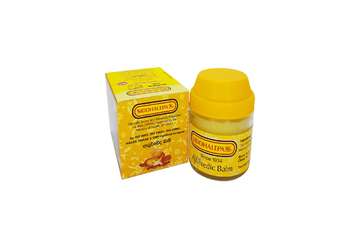
Sri Lanka's Ayurvedic pharmaceutical industry produces a range of cough preparations that combine traditional formulations with modern manufacturing standards. These products are typically available in syrup or powder form and are intended for adults and children separately.
| Product Type | Key Ingredients | Typical Use |
|---|---|---|
| Herbal cough syrup (adult) | Thulasi, ginger, licorice, honey | Wet and dry cough in adults |
| Children's cough syrup | Mild herbal extracts, lower concentrations | Gentle relief for children's cough and cold |
| Madhuka syrup | Licorice root extract | Throat soothing, productive cough |
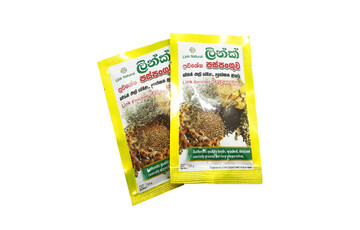
| Herbal cough powder | Dried herb blend, typically mixed with warm water or honey | Chronic or recurring cough, Ayurvedic maintenance |
When selecting a product, check whether it is formulated for a dry or wet cough, and always follow the dosage instructions on the label. For children under two years of age, consult a healthcare professional before administering any herbal preparation.
What Simple Home Remedies Can Help With a Cough?
Alongside prepared herbal products, a number of household measures can provide meaningful relief for mild coughs.
- Warm fluids: Warm water, herbal teas, and warm broths help soothe throat irritation and thin mucus. Ceylon green tea with a small amount of honey is a commonly used home remedy in Sri Lanka.
- Honey: Particularly useful for soothing a dry, irritated throat. Research supports honey as at least as effective as some over-the-counter cough suppressants for short-term relief in adults.
- Steam inhalation: Inhaling steam from a bowl of hot water (with or without added eucalyptus oil) can help loosen mucus in a productive cough.
- Gargling with warm salt water: Reduces throat inflammation and clears postnasal drip that may be driving the cough reflex.
- Elevation: Sleeping with your head slightly elevated can reduce postnasal drip and nighttime coughing.
- Humidifier: Dry indoor air exacerbates throat irritation; maintaining moderate humidity helps.
When Should You See a Doctor for a Cough?
Most coughs caused by a common cold resolve within one to two weeks without medical intervention. Herbal and home remedies are appropriate for managing discomfort during this period. However, medical evaluation is advisable in the following situations:
- The cough lasts longer than three weeks
- You are coughing up blood or rust-coloured mucus
- You experience significant shortness of breath or chest pain
- The cough is accompanied by a high fever that does not subside
- You have a pre-existing respiratory or cardiac condition
- The cough is severe enough to interfere with eating, sleeping, or daily activities
These symptoms may indicate pneumonia, tuberculosis, or another condition requiring targeted treatment. Self-medicating with herbal products is not a substitute for professional diagnosis in these cases.


