
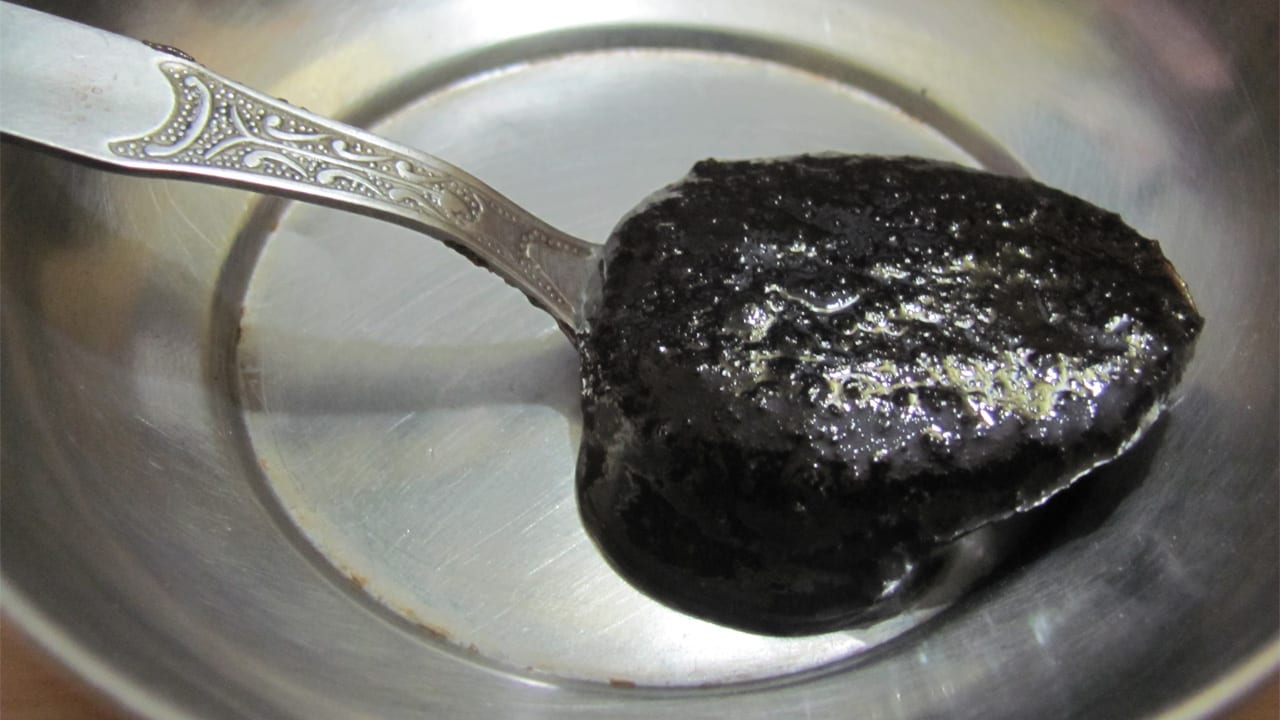


Chyavanprash is one of the oldest and most revered formulations in Ayurvedic medicine, prepared from a carefully balanced blend of herbs, roots, and natural ingredients. The Sri Lankan version of this classic preparation draws on the island's exceptionally rich botanical heritage, incorporating native and regionally adapted plants alongside ingredients shared with the broader South Asian tradition. Known under several alternative spellings — chyavanaprasha, chyawanaprash, chamanprash, and chyavanaprasam — the preparation has been made for centuries and is part of the classical Ayurvedic heritage.
What is the origin of Chyavanprash?
The formulation traces its name to the sage Chyavana, whose legend is linked with this herbal jam in the ancient Indian epic texts. Over time, the recipe travelled across South Asia and was adapted by local physicians, or vaidyas, who incorporated regionally available botanicals. Sri Lanka's version reflects both the classical Sanskrit pharmacopeia and the island's own deshiya chikitsa (indigenous medicine) tradition, which sits alongside Ayurveda as a recognised school of traditional medicine.
What herbs are in the Sri Lankan Chyavanprash formula?
The Sri Lankan formula is notably complex, combining woody resins, root extracts, aromatic spices, aquatic plants, and leafy herbs. The following table provides an overview of the principal identified ingredients, with their botanical names and common equivalents where known.
| Sinhala Name | Botanical Name | Common English Name |
|---|---|---|
| Agil | Aquilaria agallocha | Agarwood |
| Aswenna | Alysicarpus vaginalis | Buffalo Clover |
| Ath Demata | Canella arborea | White Teak / Beech Wood |
| Pitwakka | Phyllanthus debilis | Niruri |
| Katuwel-batu | Solanum jacquini | Kateri |
| Kaladuru Ala | Cyperus rotundus | Nutgrass |
| Kshirakakoli | Roscoea purpurea | Payasya |
| Karkataka Shringi | Pistacia integerrima | Crab's Claw Gall |
| Kakoli | Roscoea procera | — |
| Kinbadu Ala | Xanthosoma sagittifolium | Tannia Root |
| Gaja Thippili | Piper chaba | Elephant Pepper / Java Long Pepper |
| Tippali | Piper longum | Long Pepper |
| Thotila Mul | Oroxylum indicum | Indian Trumpet Root |
| Nil Manel Ala | Nymphaea pubescens | Blue Sri Lankan Water Lily Root |
| Inguru Piyali | Kaempferia galanga | Resurrection Lily / Sand Ginger |
| Palol Sahamula | Aerva lanata | Bhadra / Mountain Knotgrass |
| Adathoda | Adhatoda vasica | Malabar Nut / Atarusa |
| Elabatu Mul | Amomum subulatum | Greater Cardamom Root |
| Bebila | Hibiscus micranthus | — |
| Beli Mul | Aegle marmelos | Bael Fruit Tree Root |
| Muddarappalam | Vitis vinifera | Grapes / Dried Raisin |
| Mukunuwennu | Alternanthera sessilis | Dwarf Copper Leaf |
| Meda | Polygonatum cirrhifolium | Asparagus Family Root |
| Rasakinda | Tinospora cordifolia | Heart-Leaved Moonseed |
| Jeewako | Microstylis wallichii | Jeevak |
| Sudu Hadun | Santalum album | Indian Sandalwood |
| Enasal | Elettaria cardamomum | Cardamom |
| Madhu | — | Honey |
Several ingredients in the formula — including Jeewanthi, Sarona, Heen Nerenchi, Maswenna, Midi Mul, Kalu Komberiya, and Wrushabhaka — carry Sinhala or Sanskrit names for which botanical identification in this specific regional context remains uncertain or debated among practitioners.
What role do the key herbs play?
Tinospora cordifolia (Rasakinda) is a well-known herb in South Asian traditional medicine. Adhatoda vasica (Adathoda) has a long history in Ayurvedic and Sinhala traditional formulations. Piper longum (Tippali), or long pepper, is considered a trikatu component in classical Ayurveda and belongs to the same genus as Ceylon black pepper. Aegle marmelos root and Oroxylum indicum root are both among the classical Dashamoola (ten roots) group in Ayurvedic compounding.
Aquilaria agallocha (Agarwood), one of the rarer ingredients, contributes aromatic qualities and appears in several classical preparations across South and Southeast Asia. Honey (Madhu) serves as a preserving medium and is a long-established ingredient in its own right within Ayurvedic frameworks.
How is Chyavanprash traditionally prepared?
The base of most Chyavanprash preparations is Amla (Indian gooseberry, Phyllanthus emblica), though regional Sri Lankan variants may substitute or supplement this with locally abundant sour fruits. Herbs are typically decocted in water, after which ghee and sesame oil are incorporated before honey is added once the mixture has cooled. The resulting product has a thick, jam-like consistency and is dark in colour.
Proper sourcing and preparation are critical to quality. The identity of several herbs — such as those belonging to the classical Ashtavarga group of high-altitude orchids — is debated because many original species have become rare or commercially unavailable, leading practitioners to use documented regional substitutes.
Is Chyavanprash the same as Yogaraja Guggulu?
No — these are distinct formulations. Yogaraja Guggulu is a tablet-based preparation centred on guggulu resin. Chyavanprash is a jam-based formula built on a large blend of herbs, fruit, ghee and honey. Both belong to the classical Ayurvedic pharmacopeia.
Where can Chyavanprash be found in Sri Lanka?
Government-regulated Ayurvedic dispensaries and licensed traditional medicine pharmacies across Sri Lanka stock commercially prepared Chyavanprash. Formulations vary between manufacturers in ingredient composition and quality of sourcing. Visitors interested in traditional Sri Lankan medicine can also encounter it at wellness centres, Ayurvedic resorts, and some heritage herb gardens — particularly in the Kandy region and the hill country, where many of the constituent herbs grow in cultivated or semi-wild conditions.
Sri Lanka's indigenous medicine sector is overseen by the Ministry of Health's Department of Ayurveda, which registers and monitors traditional preparations to ensure safety standards.
This page describes cultural tradition, not medical advice; consult a qualified doctor about any health condition.