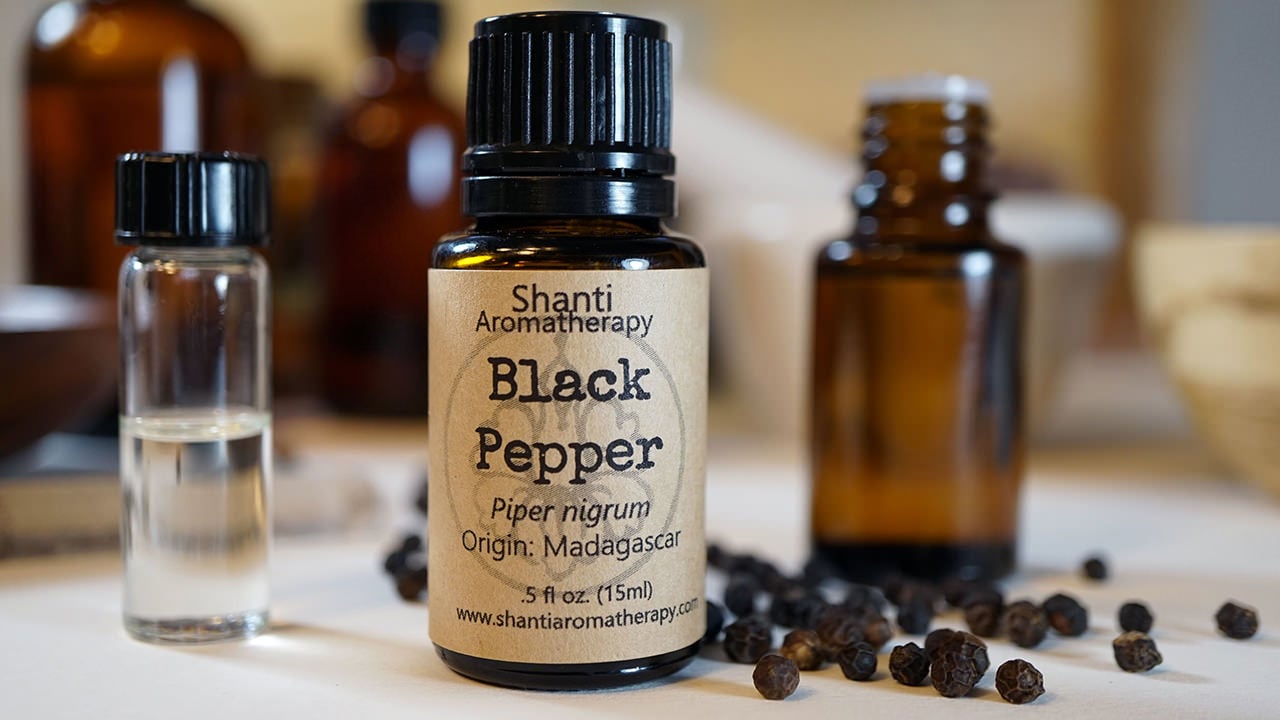


Ceylon black pepper essential oil is one of Sri Lanka's lesser-celebrated yet genuinely valuable botanical extracts. Distilled from the dried berries of Piper nigrum — the same vine that gives the world its most widely traded spice — this oil carries a warm, woody, faintly spicy aroma and a concentrated profile of bioactive compounds. It is used in aromatherapy, Ayurvedic practice, and increasingly in mainstream wellness routines.
How is Ceylon black pepper oil produced?
The oil is typically obtained through steam distillation or hydrodistillation of dried, crushed black pepper seeds. In steam distillation, pressurised steam passes through the plant material, volatilising the essential-oil compounds; the vapour is then cooled and the oil separated from the condensed water. Hydrodistillation submerges the seeds directly in water before heating. Both methods preserve the volatile compounds responsible for pepper's characteristic heat and aroma.
Sri Lanka's humid, highland growing conditions — particularly in Kandy, Kegalle, and Matale districts — produce pepper with a notably rich terpene profile, which carries through to the finished oil. The island has cultivated Ceylon black pepper for centuries, and the variety is recognised for its distinct flavour and potency.
What are the main compounds in black pepper essential oil?
The dominant active compound is piperine, but the essential oil also contains a range of monoterpenes and sesquiterpenes, including:
- β-caryophyllene — a sesquiterpene with well-studied anti-inflammatory properties
- Limonene — associated with antioxidant activity
- α-pinene and β-pinene — contribute to the oil's fresh, resinous top notes
- Sabinene — linked to antimicrobial effects in laboratory studies
Because piperine enhances the bioavailability of other compounds, black pepper oil is sometimes combined with turmeric or other botanical extracts in formulations intended to improve absorption.
What are the documented benefits of black pepper essential oil?
Research into black pepper essential oil is ongoing, and many applications remain under investigation. That said, a number of benefits are supported by peer-reviewed studies or long-standing traditional use:
Digestive support
Inhaling or topically applying (diluted) black pepper oil is thought to stimulate the secretion of hydrochloric acid in the stomach, which aids in the breakdown of proteins and reduces gas and bloating. Ayurvedic practitioners have used pepper preparations as digestive tonics for centuries.
Antioxidant activity
The terpene-rich composition of the oil contributes to free-radical scavenging activity. Regular, appropriate use may help limit oxidative stress, which is associated with premature ageing of skin and broader cellular damage.
Circulation and warmth
When diluted and massaged into the skin, black pepper oil produces a mild warming sensation by increasing local blood flow. Athletes and physiotherapists sometimes use it in blends before exercise or to ease muscle stiffness.
Nervous system and mental clarity
Some aromatherapy practitioners recommend black pepper oil — often blended with citrus or grounding oils — to improve mental alertness and reduce mental fatigue. Preliminary studies suggest its components may influence neurotransmitter pathways, though the evidence base is still developing.
Oral health
Traditional formulations incorporating black pepper have been used to reduce gum inflammation and as a mild antibacterial agent for oral hygiene. Modern studies on piperine's antimicrobial properties lend some credibility to these uses, though dedicated clinical trials in oral care are limited.
Blood sugar regulation
Animal studies and some small human trials suggest that piperine may support insulin sensitivity and help moderate post-meal blood glucose rises. This should not be taken as a substitute for medical care, but it forms part of the rationale for including black pepper in Ayurvedic formulations for metabolic health.
How should black pepper essential oil be used safely?
Essential oils are highly concentrated. Black pepper oil should always be diluted in a carrier oil — such as coconut, jojoba, or sweet almond oil — before skin application. A typical dilution is 1–2 drops of essential oil per teaspoon of carrier oil. Undiluted application can cause skin irritation, particularly on sensitive skin.
For aromatherapy, 2–3 drops in a diffuser or oil burner is generally sufficient. Avoid contact with eyes and mucous membranes. Pregnant women, nursing mothers, and those with known medical conditions should consult a healthcare professional before use.
Black pepper essential oil is distinct from black pepper extract or ground pepper used in cooking. Do not ingest essential oil unless working under the supervision of a qualified practitioner.
How does Ceylon black pepper oil compare to other pepper oils?
Black pepper essential oil is produced in several countries, including India, Vietnam, and Brazil. Ceylon pepper oil is considered distinctive because of the terroir of the Sri Lankan growing regions, the particular cultivars used, and traditional harvesting methods that favour hand-picking at optimal ripeness. This typically results in a more complex aromatic profile — slightly sweeter and less harsh than some mass-produced equivalents.
How does black pepper oil fit into Sri Lankan wellness traditions?
Sri Lanka has a deep-rooted Ayurvedic heritage, and black pepper has occupied an important place in this tradition for well over a millennium. Classical Ayurvedic texts categorise pepper as a tridoshic spice — one that can balance all three bodily humours (doshas) when used in correct measure. It features in compound preparations such as Yogaraja Guggulu, an Ayurvedic formulation traditionally used to support joint and muscular health.
The integration of black pepper into contemporary essential oil products reflects a broader global interest in plant-based wellness, but the knowledge base behind it draws on centuries of documented Sri Lankan botanical practice.
Where can you source authentic Ceylon black pepper oil?
Authenticity matters when purchasing essential oils. Look for products that specify the botanical species (Piper nigrum), the country of origin (Sri Lanka), and the extraction method. Reputable producers will provide GC-MS (gas chromatography–mass spectrometry) test reports on request, confirming the oil's chemical composition and ruling out adulteration.
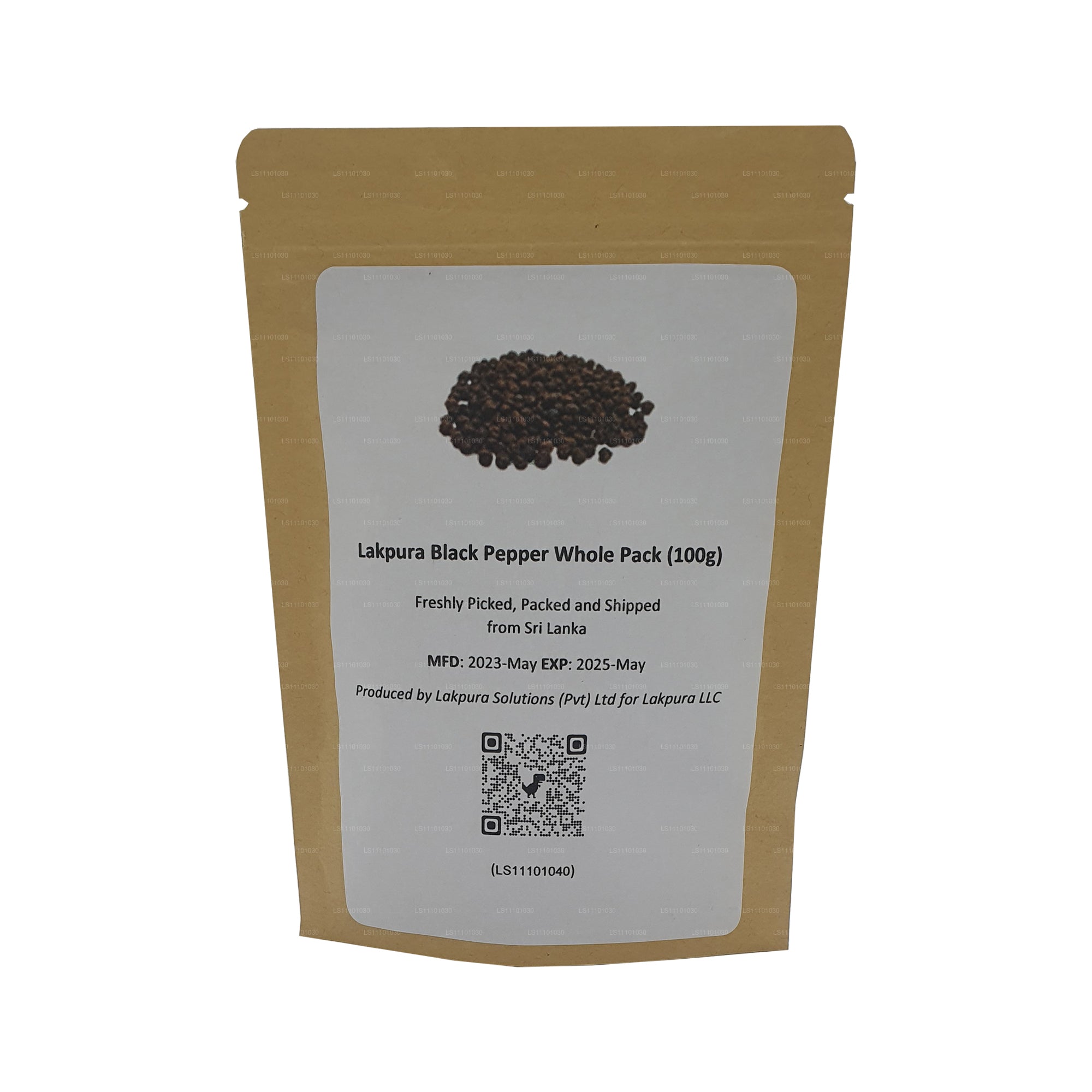
Lakpura curates a selection of black pepper products — from whole peppercorns to essential oils — sourced from established Sri Lankan producers, enabling visitors and online buyers to access verified Ceylon-origin products directly.
Related reading
2 pages on closely related subjects.