
Aralaganwila sits quietly in Sri Lanka's North Central Province, a small town that rewards travellers willing to look beyond the headline heritage cities. Its draw is a rare combination: a medieval ornamental lake that was built for beauty rather than irrigation, a cluster of ancient Buddhist temples, and access to one of the region's most satisfying hikes. It is not a high-traffic destination, which is precisely part of its appeal.
What makes Aralaganwila historically significant?
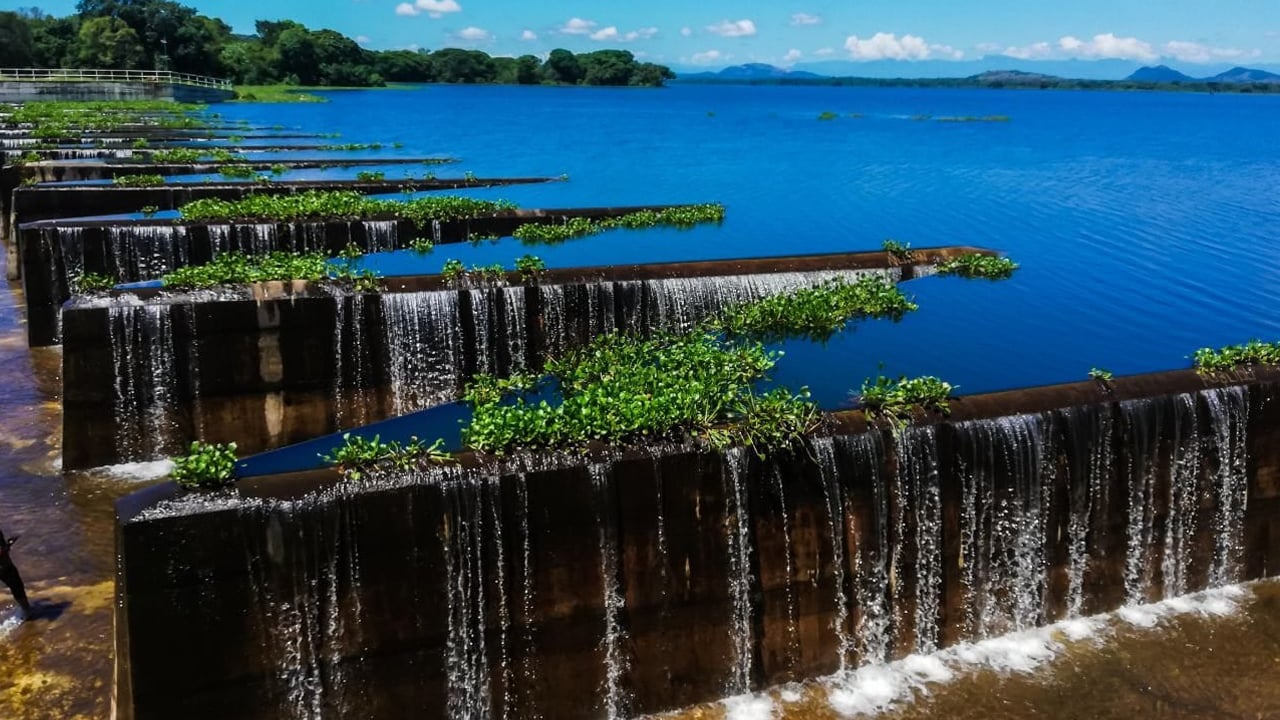
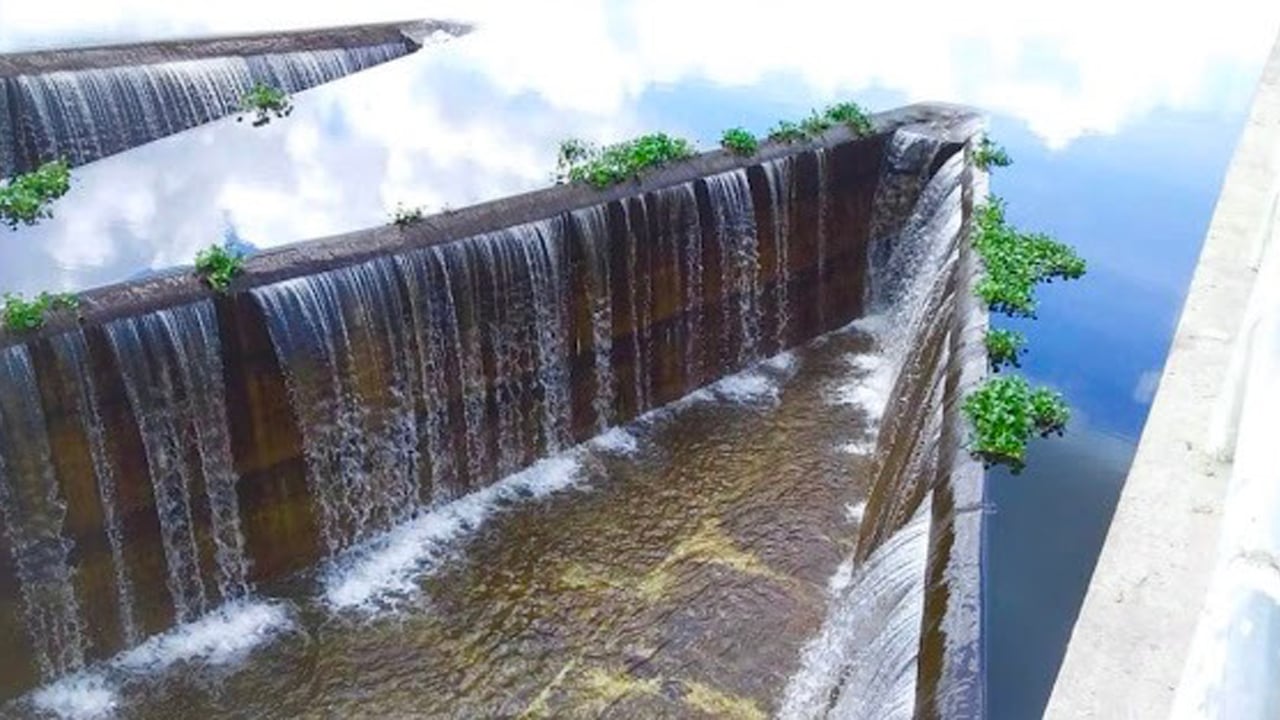
The town's most distinctive landmark is Kiri Muhuda — literally translated from Sinhala as "sea of milk" — an artificial lake constructed during the medieval period. Unlike virtually every other reservoir of its era in Sri Lanka, which served agricultural purposes, Kiri Muhuda was created as an aesthetic feature, almost certainly linked to a royal or monastic complex in the vicinity. A white-washed embankment called Valakulu Bamma ("embankment of clouds") lines the shore, and a small island sits at the lake's centre, lending the whole composition a contemplative quality.
This ornamental approach to water engineering is unusual in the region and places Aralaganwila within a broader tradition of sophisticated medieval landscape design found across the Polonnaruwa era. Archaeological interest in the area continues, and local monasteries preserve inscriptions and stonework that speak to the town's long religious history.
What ancient temples can I visit near Aralaganwila?
Several Buddhist temples are scattered across the Aralaganwila area, some dating back over a thousand years. Their architecture reflects the Kandyan and earlier Anuradhapura-period styles — moonstone entrance slabs, guard stones, and painted interiors are common features. These are active places of worship as much as heritage sites, so visitors are expected to dress modestly (shoulders and knees covered) and remove footwear before entering shrine rooms.
Worship is liveliest on poya (full-moon) days, when white-clad devotees gather for offerings and chanting. Arriving on a poya day gives a genuine sense of living religious practice rather than a museum experience.
What is the Danigala hike from Aralaganwila?
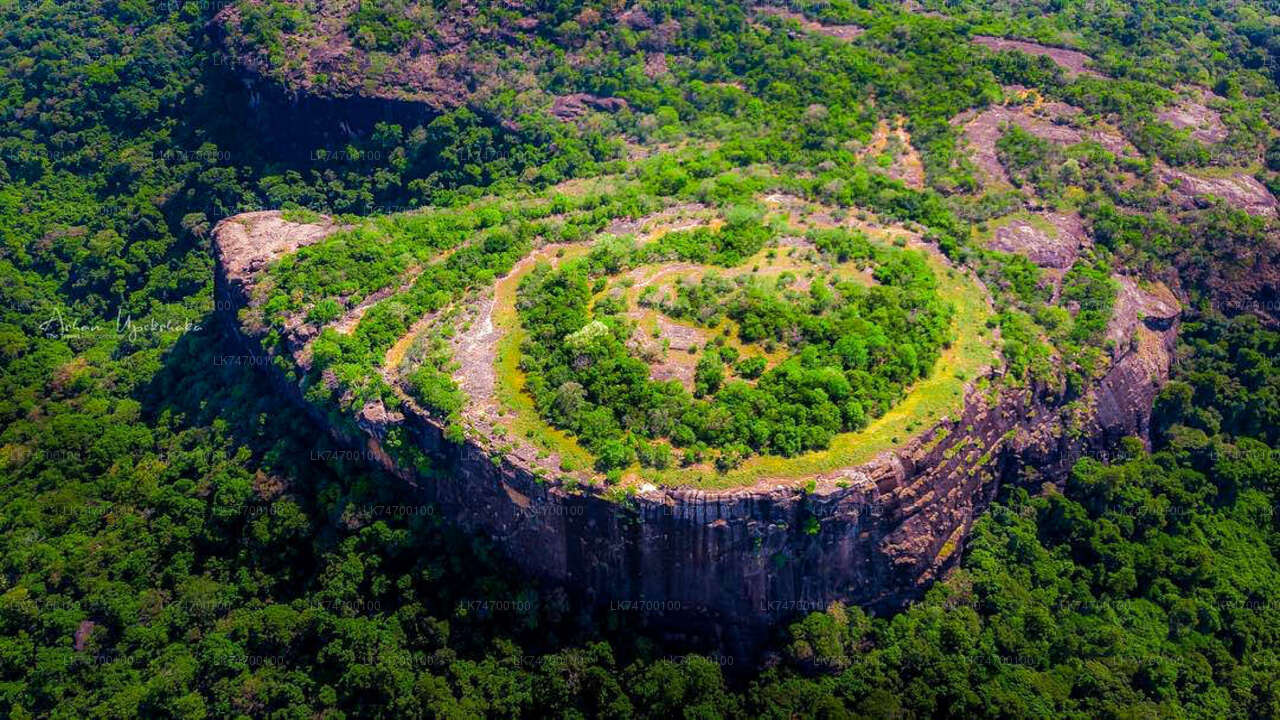
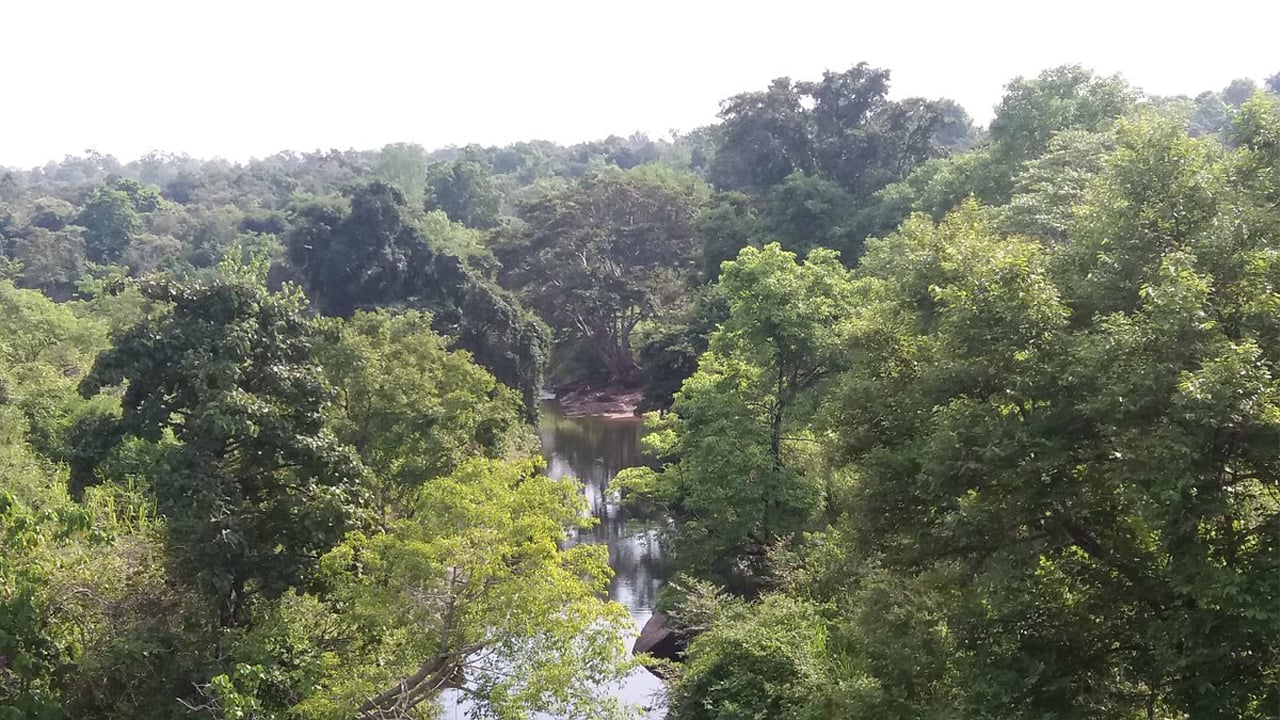
The single most compelling outdoor activity based out of Aralaganwila is the hike to Danigala, a flat-topped circular rock rising abruptly from the surrounding dry-zone scrub forest. The summit delivers a panoramic view across a landscape of tank reservoirs, paddy land, and distant hills. The terrain is rocky and exposed, so starting early — before 7 a.m. — is advisable to avoid midday heat. Sturdy footwear, at least 1.5 litres of water per person, and sun protection are essential.
The hike is considered moderately challenging. The ascent requires some scrambling over bare rock near the top, but it does not demand technical climbing skills. It typically takes between two and three hours for the round trip depending on pace. Local guides familiar with the trail significantly improve both safety and the interpretive experience.
When is the best time to visit Aralaganwila?
Aralaganwila falls within the dry zone, which means it receives the bulk of its rainfall during the north-east monsoon (roughly October to January). The most comfortable visiting period is from February through early September, when days are warm and dry. Mornings are cooler and better for hiking; afternoons can be intense.
Poya days throughout the year offer cultural colour at the temples. The area does not flood to the same degree as the wetter lowland zones, but unpaved access tracks can become muddy after heavy rain in the inter-monsoon periods (March–April and October–November).
How do I get to Aralaganwila from Colombo?
Aralaganwila lies roughly 200 km north-east of Colombo, and the most practical way to reach it is by private vehicle. The drive typically takes around four to five hours via the Colombo–Kandy expressway and onward through Dambulla or Habarana. Public buses connect the area to Polonnaruwa, which is the nearest major town with reliable onward transport links, accommodation options, and ATMs.
Hiring a private driver allows flexibility to combine Aralaganwila with nearby heritage sites in a single itinerary — the cultural triangle sites are all within a reasonable distance. Road signage in the immediate area is limited, so offline maps or a guide who knows the locality are worth arranging in advance.
What else can I do near Aralaganwila?
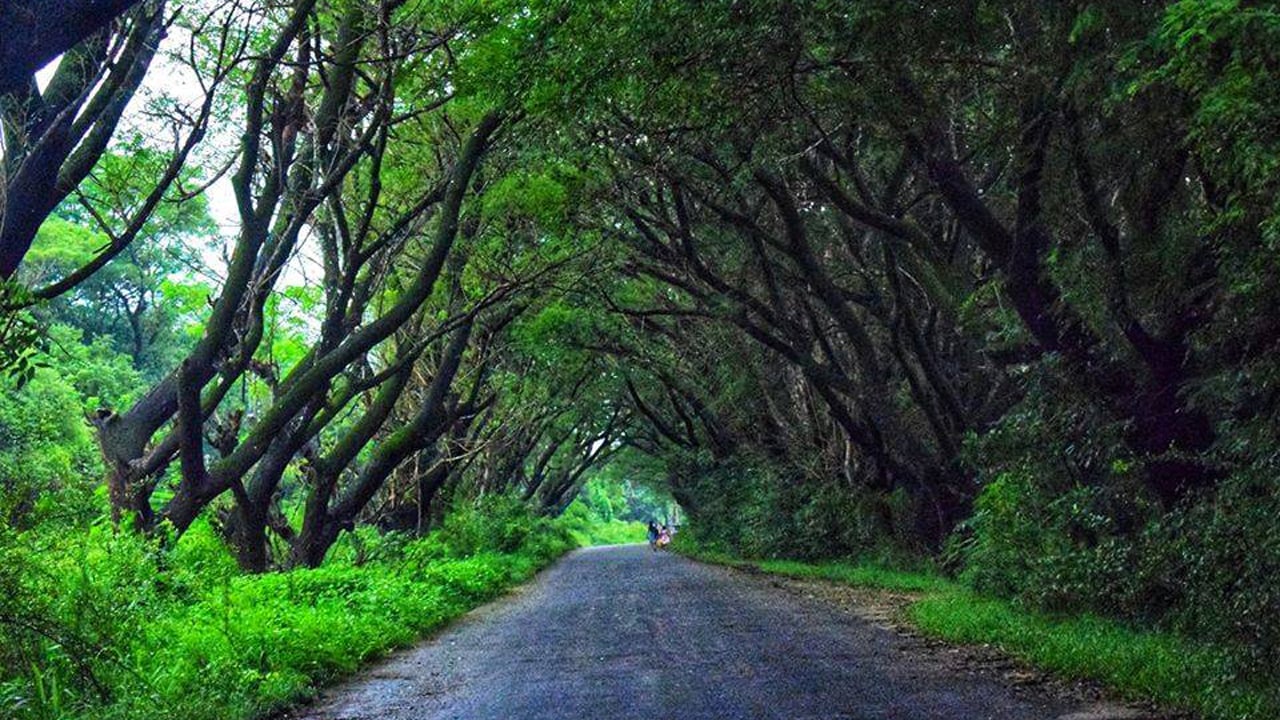
The surrounding dry-zone landscape supports a range of wildlife, including spotted deer, grey langurs, peacocks, and occasional elephant movement, particularly in the early morning and late afternoon. Stupas and small shrine complexes dot the countryside between Aralaganwila and the major Polonnaruwa ruins, making a slow, exploratory drive through the area worthwhile.
Tambuttegama, another historically layered town in the same province, is accessible as a day-trip extension. Birdwatching along the tank bunds and forest edges is productive throughout the year, with dry-zone specialists such as brown-headed barbet, blue-faced malkoha, and Indian roller regularly sighted.
Is Aralaganwila suitable for a day trip or worth an overnight stay?
A focused day trip from Polonnaruwa or Habarana is feasible if the primary goal is Kiri Muhuda and a temple visit. If the Danigala hike is on the itinerary, an early-morning start from a base closer to Aralaganwila makes the timing much more manageable. Small guesthouses in and around the town offer basic accommodation; larger hotels are available in Polonnaruwa, about an hour's drive away. Visitors who prefer comfort alongside cultural depth will find that basing themselves in Habarana or Polonnaruwa and day-tripping to Aralaganwila strikes a practical balance.