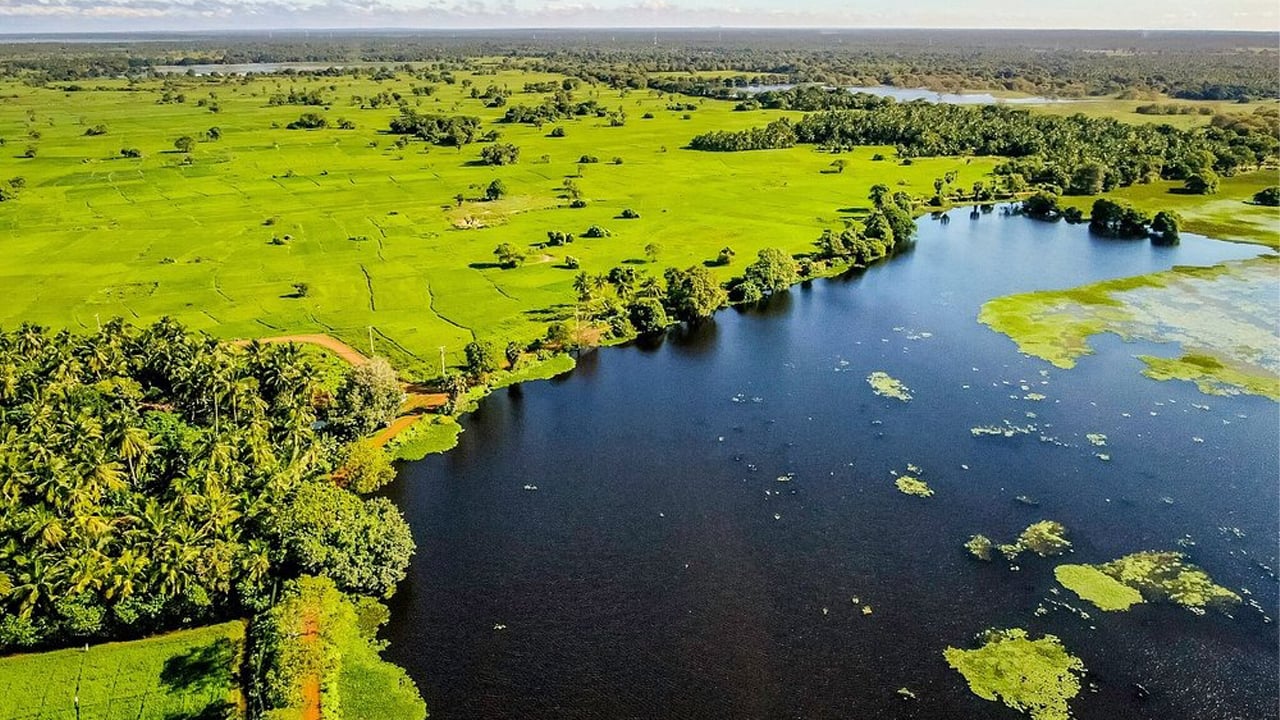


Anawilundawa Wetland Sanctuary sits quietly along Sri Lanka's northwestern coast, roughly midway between Colombo and Puttalam, where a mosaic of ancient irrigation tanks, seasonal marshes, and mangrove edges forms one of the island's most ecologically intact lowland wetlands. Designated a Ramsar Wetland of International Importance, the sanctuary is still relatively unknown on the mainstream tourist circuit — which is precisely what makes a visit here feel genuinely rewarding.
What makes Anawilundawa ecologically special?
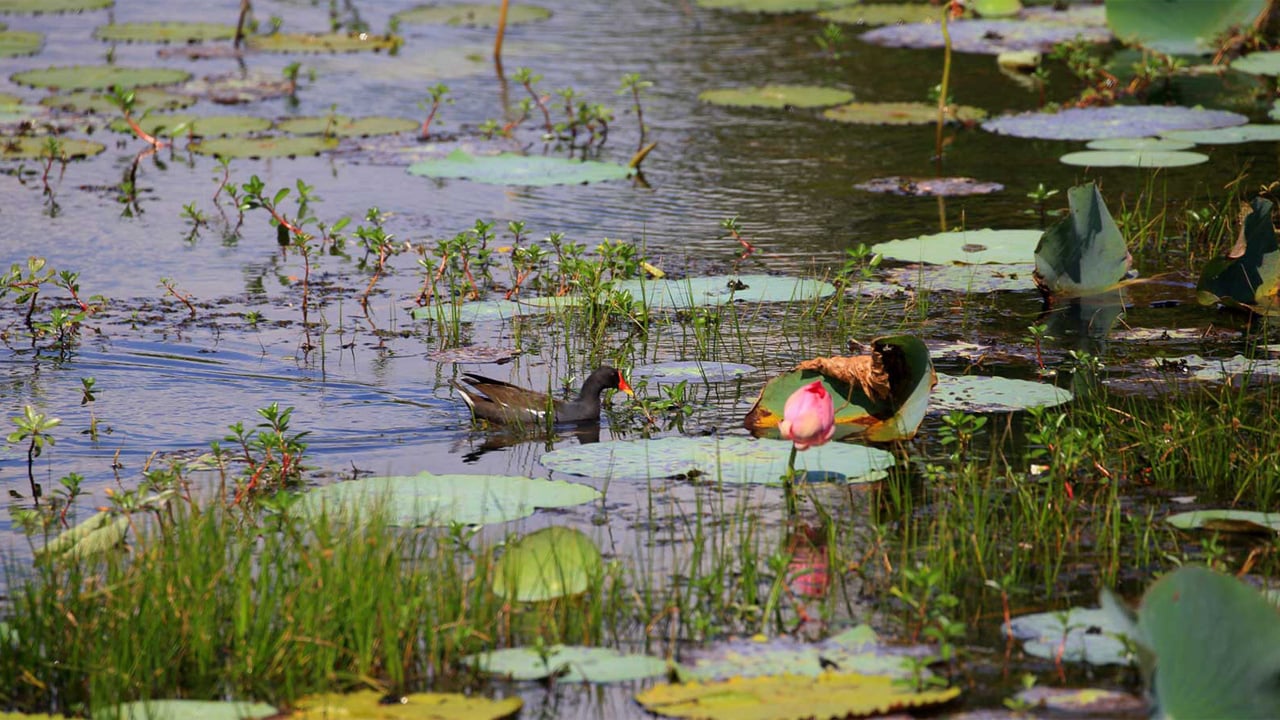
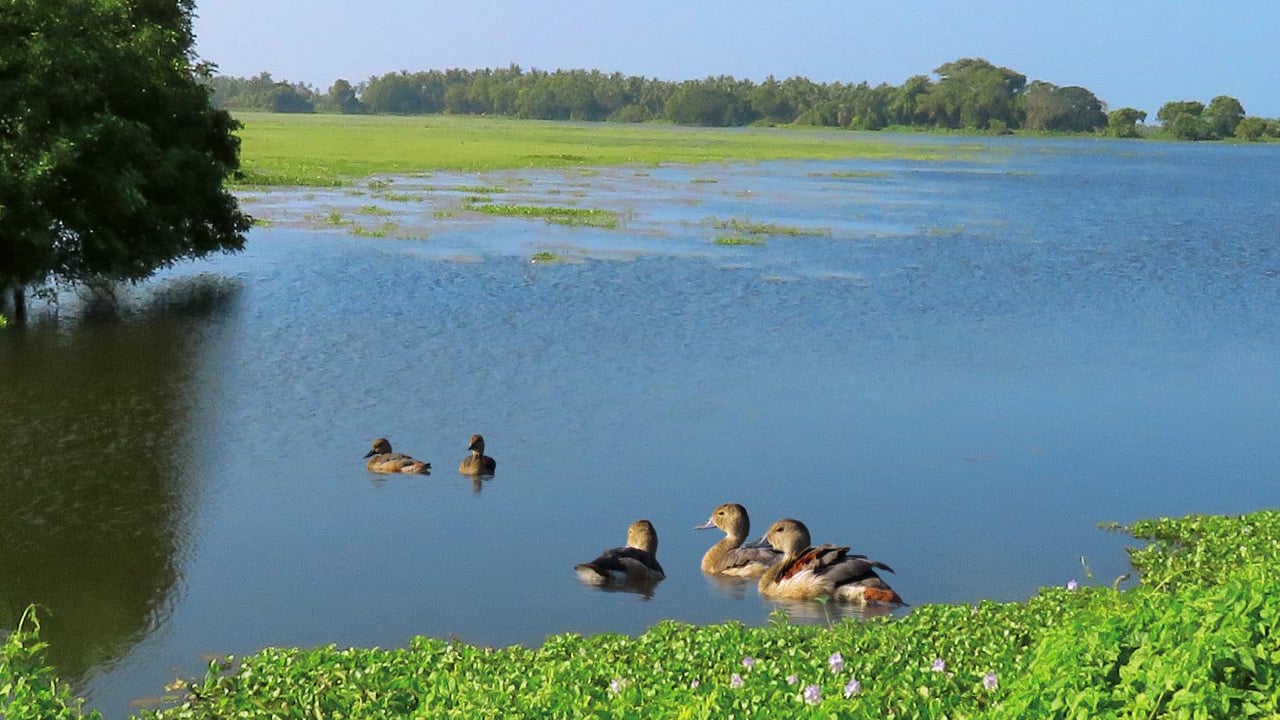
The sanctuary encompasses a cluster of small irrigation reservoirs — locally called wewa — that date back to Sri Lanka's ancient hydraulic civilization. Over centuries, the earthen bunds and surrounding scrub jungle grew into a layered wetland habitat unlike anything managed purely for conservation. Today the area supports freshwater marshes, lotus-covered ponds, semi-deciduous forest patches, and narrow strips of coastal scrub, all within a compact landscape that rewards slow, attentive exploration.
This habitat diversity underpins exceptional biodiversity. The sanctuary shelters a wide range of waterbirds, raptors, and forest species, alongside reptiles, amphibians, and freshwater fish. The wetlands also play a practical role for surrounding communities: they regulate water supply to paddy fields, stabilize soils, and act as a natural buffer against saline intrusion from the coast.
What birds can you see at Anawilundawa?
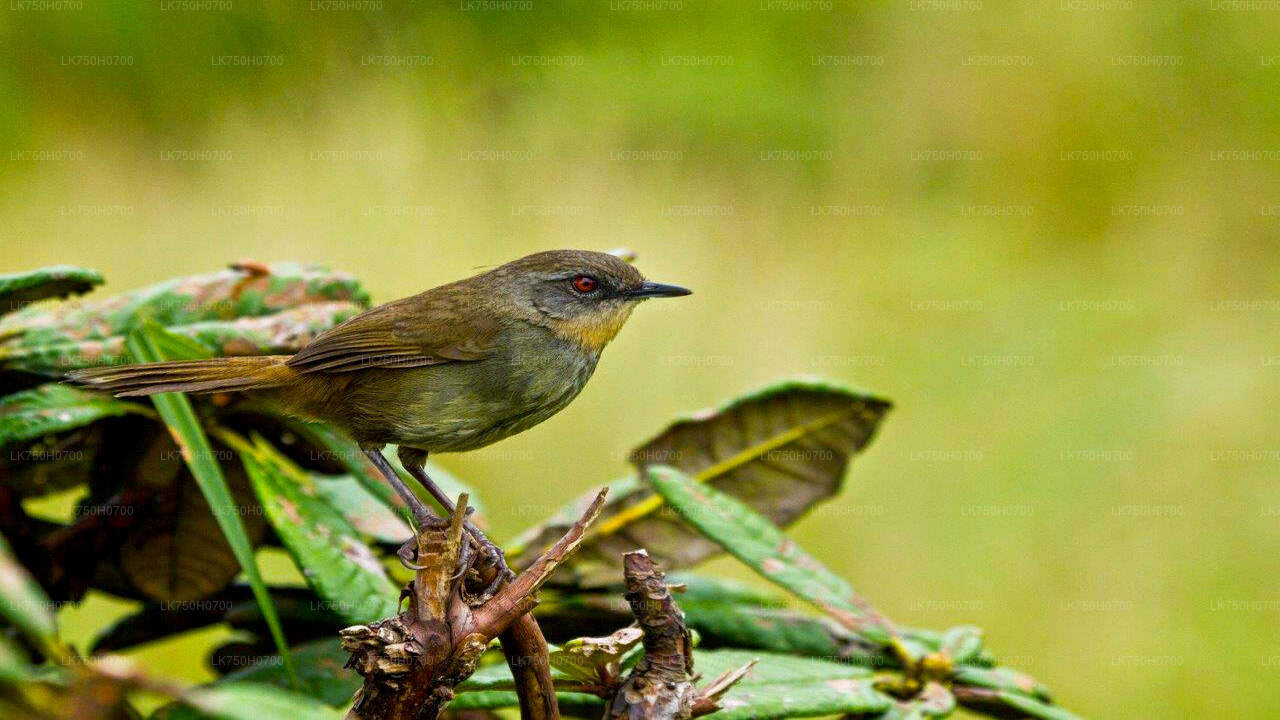
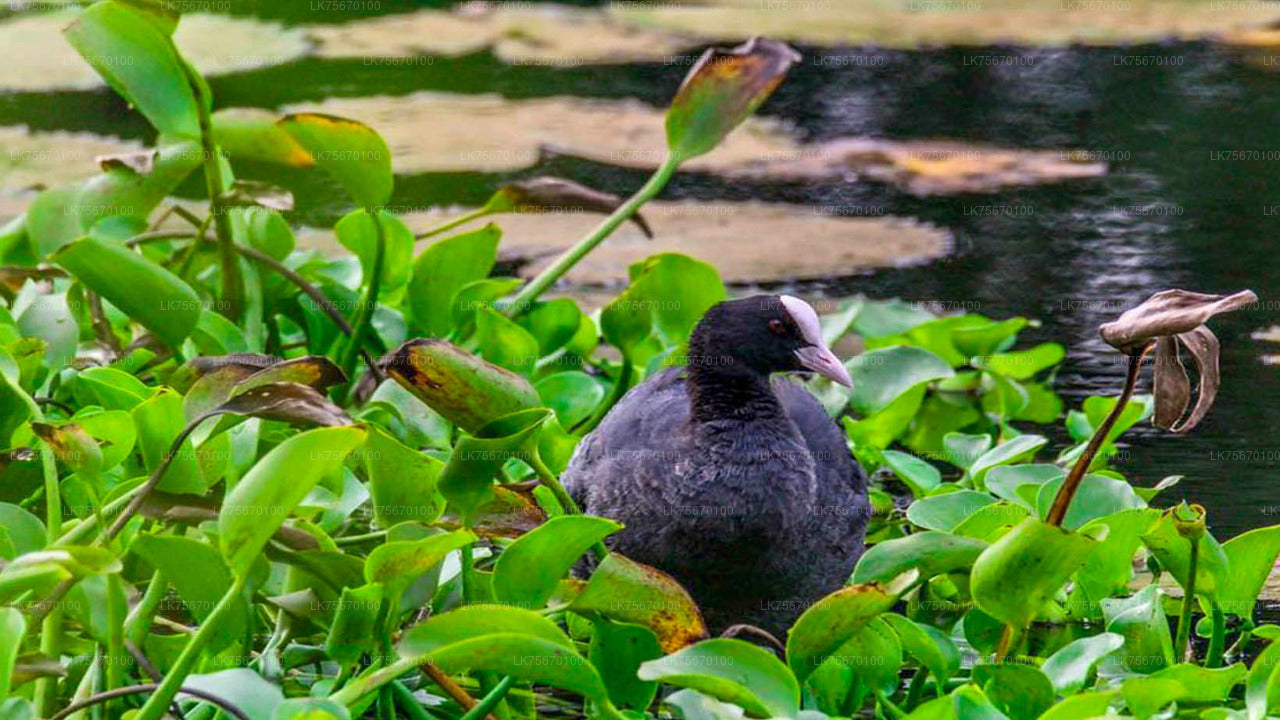
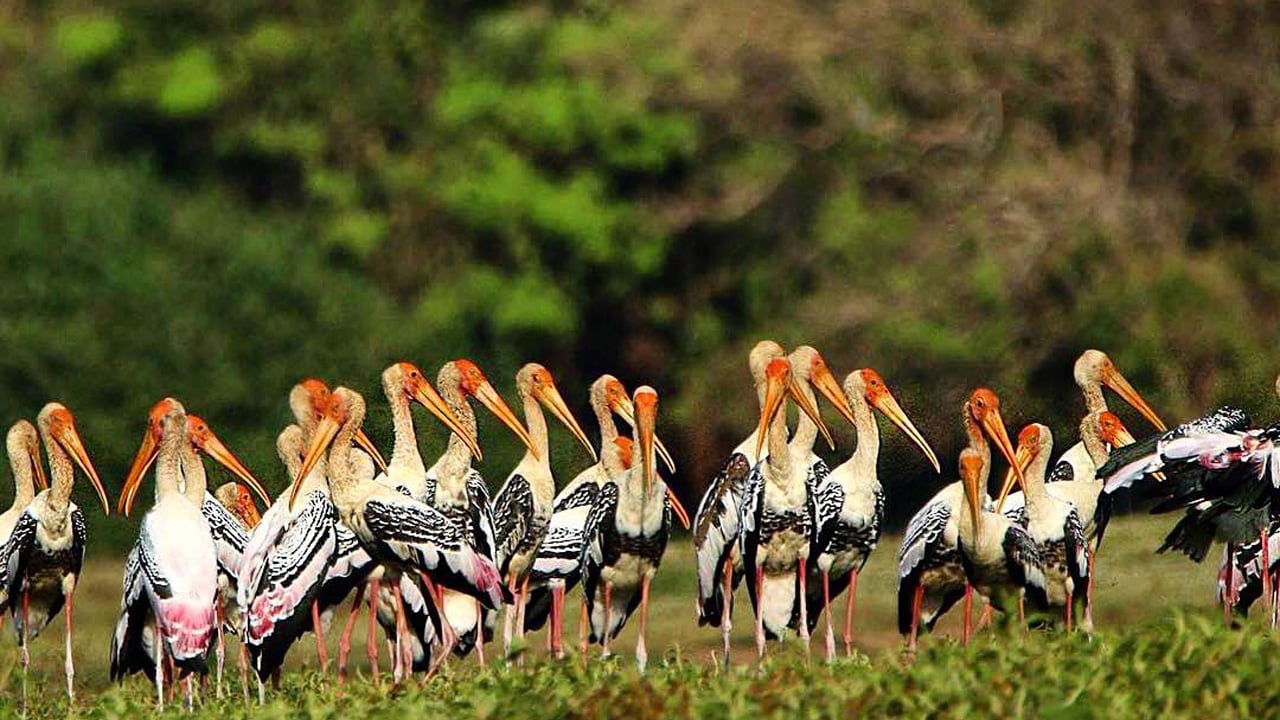
Anawilundawa is most celebrated as a birdwatching destination. Around 190 bird species have been recorded here, spanning year-round residents and seasonal migrants. Resident species include the painted stork, purple heron, lesser whistling duck, and several kingfisher species — the common, pied, and white-throated varieties are all regularly sighted. The rare and localised Eurasian spoonbill appears during the northern winter, alongside large numbers of waders such as sandpipers and stints that pause here during the East Asian-Australasian and Central Asian flyways.
Raptors are another highlight. The crested serpent eagle, Brahminy kite, and marsh harrier all hunt over the open water and reed beds. Birders with patience and an early start can sometimes observe the black-necked stork, one of Sri Lanka's most striking and uncommon waterbirds. For context on scale, the Wilpattu National Park lies not far to the north and shares several species with Anawilundawa, but the wetland sanctuary offers a far more intimate setting for observation.
When is the best time to visit Anawilundawa?
The sanctuary rewards visits throughout much of the year, but the peak birdwatching window runs from November through April. During these months, the northeast monsoon keeps the tanks topped up, and migratory waterbirds are at their most numerous. Resident breeding activity is most visible between January and March, when painted storks and herons can be seen nesting in the tall trees at the water's edge.
The dry season months of February to April offer the clearest mornings and easiest walking conditions along the bund paths. The wettest period — September and October — sees reduced visitor access on some trails, though the landscape turns lushly green and breeding activity among forest birds picks up noticeably.
| Month | Conditions | Birdwatching quality |
|---|---|---|
| Nov – Jan | Mild, occasional showers | Excellent — migrants arriving |
| Feb – Apr | Dry, warm | Excellent — peak waterbird numbers |
| May – Aug | Southwest monsoon influence | Good — residents active |
| Sep – Oct | Wet, humid | Moderate — forest birds active |
How do I get to Anawilundawa from Colombo?
Anawilundawa is around 115 kilometres north of Colombo, typically a two-to-two-and-a-half-hour drive via the A3 coastal highway through Negombo, Marawila, and Chilaw. The sanctuary entrance lies near the village of Iranawila, close to the coastal town of Iranawila. There is no reliable public transport directly to the sanctuary gates, so most visitors arrive by private car or as part of an organised tour. A pre-arranged vehicle also makes it far easier to depart before dawn, which is strongly recommended — the first hour of light is when activity at the water's edge is most intense.
If you are combining the sanctuary with a broader northwest coast itinerary, the area pairs naturally with a visit to the Negombo lagoon or the dune landscapes around Kalpitiya, both within comfortable driving distance.
What can you do at Anawilundawa Sanctuary?
Guided birdwatching walks are the primary activity, and a local guide is strongly recommended — they know the precise spots where certain species concentrate and can navigate the bund paths around the tanks efficiently. Early-morning boat rides on the larger tanks offer a different perspective, allowing close approach to nesting colonies and open-water species that keep their distance from the shore.
- Birdwatching walks: guided walks along earthen bunds between the tanks, typically two to four hours.
- Boat excursions: flat-bottomed boat rides across the open reservoir sections for close views of waterbirds.
- Nature photography: the low morning light over still water creates excellent conditions for bird and landscape photography.
- Flora observation: the lotus blooms, water hyacinth, and fringing scrub support interesting botanical diversity alongside the wildlife.
Swimming and fishing are not permitted within the protected area. The sanctuary is a quiet, contemplative experience rather than an action destination — it suits travellers who find genuine interest in natural systems and patient observation.
Is Anawilundawa suitable for first-time birdwatchers?
Yes. Because the waterbirds here tend to be large, conspicuous, and relatively tolerant of careful observers, Anawilundawa is one of the more accessible Sri Lankan sites for travellers with limited birding experience. Painted storks, purple herons, and kingfishers are easy to appreciate even without binoculars, and a knowledgeable guide will point out detail that would otherwise be missed. That said, serious birders will also find the site rewarding: the tally of species and the realistic chance of rare migrants keep it firmly on the regional birding circuit.
For those interested in comparing wetland habitats, the Madu Ganga estuary on the southern coast offers a contrasting mangrove ecosystem with its own distinct bird assemblage.
Are there any practical tips for visiting?
- Arrive at or before sunrise — activity drops sharply once the sun is high and temperatures rise.
- Wear muted colours (khaki, olive, grey) to avoid disturbing waterbirds at close range.
- Bring binoculars; a field guide to Sri Lanka's birds adds context even for casual visitors.
- Apply sunscreen and insect repellent before entering; the open bunds offer little shade.
- Carry drinking water — there are no facilities inside the sanctuary boundaries.
- Stay on the established bund paths to avoid disturbing nesting birds and sensitive vegetation.