
Galaha sits quietly in the central highlands of Sri Lanka, roughly 20 kilometres south of Kandy and about 5 kilometres from Deltota town. At an elevation of around 700 metres, it occupies a belt of mist-softened ridges where the air is noticeably cooler than the lowlands and afternoon rain arrives with quiet regularity. For travellers who have done the main Kandy circuit and are curious about the working, lived-in hill country beyond the tour-bus routes, Galaha offers a rewarding detour into landscape and history that most visitors never reach.
What is the history of tea cultivation in Galaha?
Galaha is widely regarded as one of the earliest areas in Sri Lanka where Ceylon tea was commercially cultivated. The most significant landmark connected to this history is the Loolkandura Estate, credited as the site where Scottish planter James Taylor planted the island's first organised tea bushes in the 1860s. A small museum on the estate commemorates Taylor's contribution to an industry that would go on to define the Sri Lankan highlands for the next century and a half.
Several tea estates that once operated across the surrounding ridges have since closed or consolidated. The Galaha Group factory, positioned near the entrance to town, stands largely idle today — a quietly atmospheric reminder of the industry's shifting economics. Travellers with an interest in agricultural history will find the contrast between the estate's past significance and its current stillness worth reflecting on.
What does the landscape around Galaha look like?
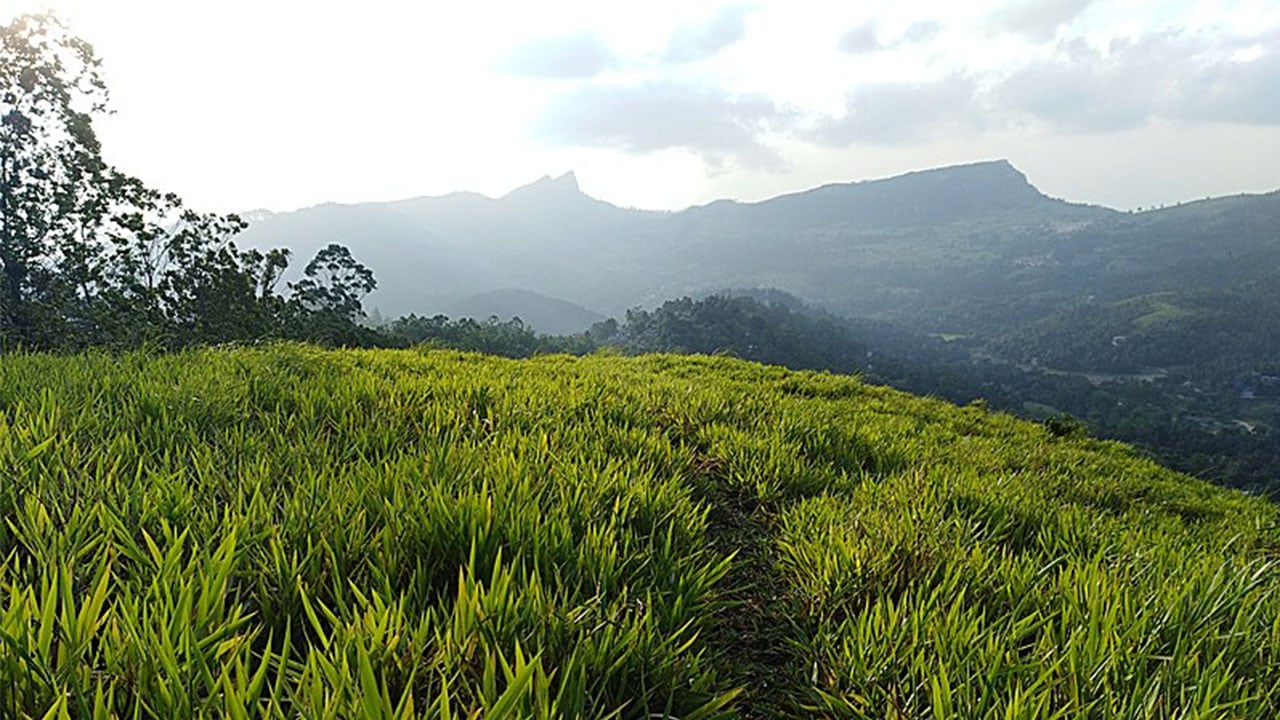
The terrain is defined by layered green hills, natural water sources, and a small river that curves around the town and sustains the paddy cultivation in the valley below. Galaha is one of the few places in Sri Lanka where step cultivation of paddy — terracing carved into steep hillsides — has been practised for several centuries. The paddy fields here are particularly striking during the growing season, when the terraces fill with water and reflect the overcast sky.
The mountain slopes surrounding the town were significantly deforested in earlier decades due to intensive cultivation and heavy seasonal rain. A government reforestation programme introduced pine forests across these eroded upper slopes, creating an unexpected landscape detail: dense conifer stands rising above the tropical valley floor. Quartz and mica deposits are found in the surrounding mountains, lending certain outcrops a faint glimmer in low light.
What are the main places of interest near Galaha?
The area around Galaha holds several sites worth building time into an itinerary:
- Loolkandura Estate and Sir James Taylor Tea Museum: The birthplace of commercial tea cultivation in Sri Lanka. The estate and its small museum are among the most historically significant tea sites on the island.
- Nillambe Meditation Centre: Around 6 kilometres from Galaha town, this long-established retreat centre draws practitioners of insight meditation from across the world. The setting — surrounded by forest and hills — reinforces its atmosphere of quietude.
- Badrawathi Sacred Mountain and Buddhist Monk Hospital: A site of religious significance that combines a functioning monastery with a hospital traditionally serving Buddhist clergy. The mountain backdrop adds a sense of remoteness to the complex.
- Rosa Thiruwana Rock: A natural rock formation in the vicinity, known locally for its distinctive profile against the ridgeline.
- Belwood Saundarya Nikethana: A cultural and aesthetic space near the town, less visited by foreign travellers but appreciated by those seeking local character.
- Mountain Reef: A scenic viewpoint that rewards the walk with clear-day views across the central hill country.
The town itself maintains a small Vihara (Buddhist temple), a Hindu temple, a mosque, and a church — an unremarkable fact by Sri Lankan standards, but a useful illustration of the mixed communities that have coexisted here across generations.
How do I get to Galaha from Kandy?
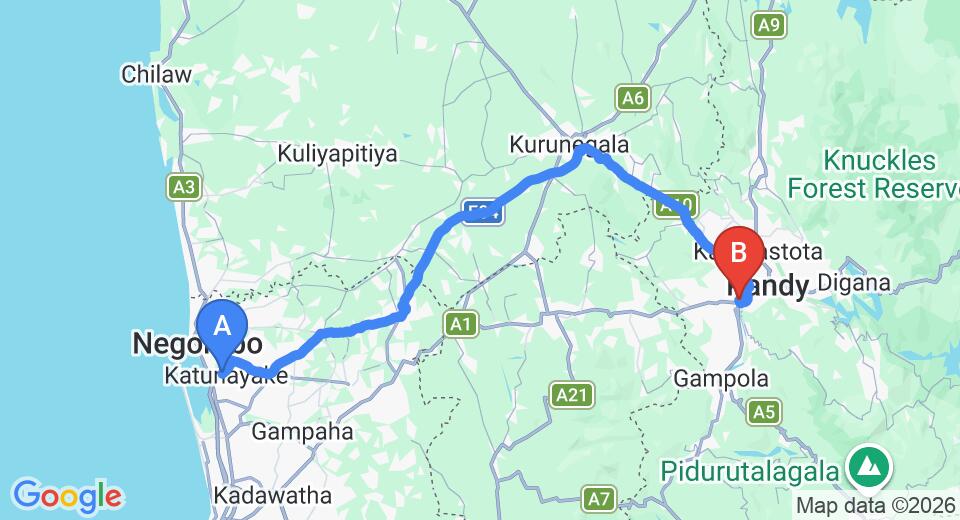
Galaha is approximately 20 kilometres south of Kandy, typically reached by road through Peradeniya or via Gampola. The journey takes around 45 minutes to an hour depending on road conditions and traffic, which can be unpredictable on the narrow mountain roads. Public buses connect Galaha to Kandy and Gampola with reasonable frequency, though departure times and journey durations vary. Hiring a private vehicle or arranging a transfer gives considerably more flexibility for stopping at viewpoints and estates along the route.
When is the best time to visit Galaha?
The central hills receive rainfall from both the south-west monsoon (roughly May to September) and the north-east monsoon (roughly October to January), which means Galaha sees rain across much of the year. The driest and clearest periods are generally from January to April. That said, the mist and occasional rain are part of what makes the landscape atmospheric — and the paddy terraces look their best when water-filled during the wet season. Visitors sensitive to cold should note that temperatures at 700 metres can drop noticeably after dusk, even in the warmer months.
Where can I stay near Galaha?
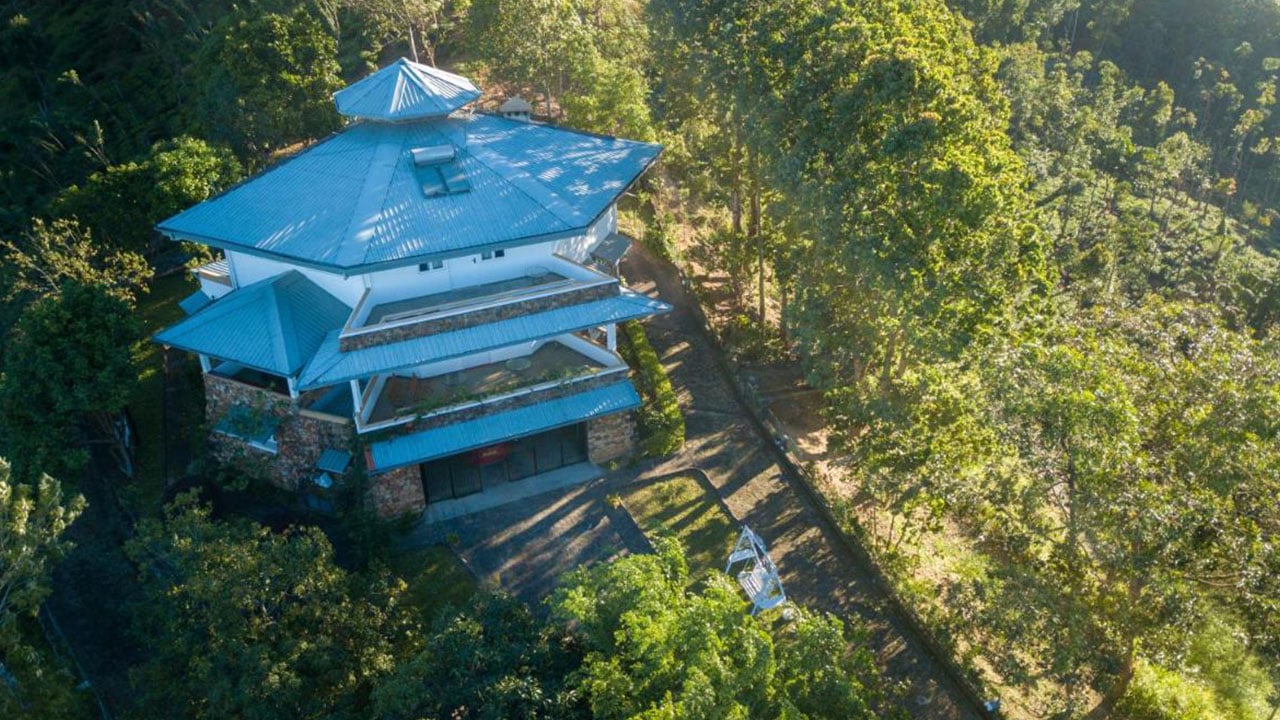
Galaha town itself has no established guesthouses or hotels. The nearest accommodation options are located in the Nillambe area, around 6 kilometres away, where at least one resort operates in a secluded hill setting. Kandy, being only 20 kilometres distant, also serves as a practical base for day visits into the Galaha hills. The Galaha Tea Bungalow near Peradeniya is another option specifically associated with the tea-estate heritage of the region, combining proximity to the Galaha corridor with the character of a colonial-era planter's bungalow.
What is the local economy and community of Galaha like?
Galaha's economy rests on a combination of agriculture, government employment, small-scale business, and remittances from residents working in the Middle East — a pattern common across rural Sri Lanka. Paddy farming remains central, supplemented by home gardens and, in some households, residual tea smallholder plots. The town has a government hospital, a petrol station, and a small selection of local eating places, making it largely self-sufficient for daily needs despite its modest scale. The community retains the quiet rhythms of a working hill town rather than a tourist centre, which is precisely the quality that makes it worth visiting.